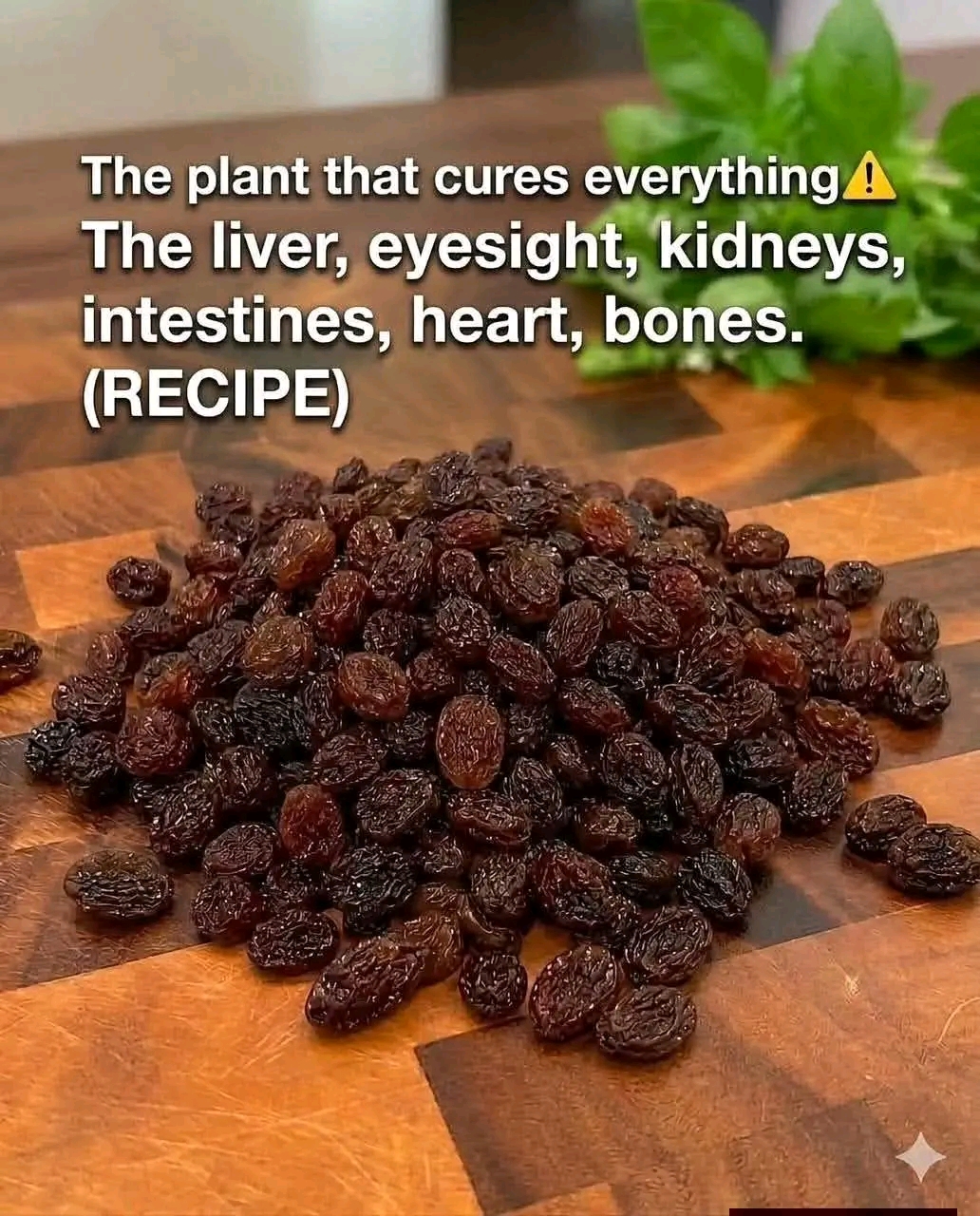
Raisins: Nutrition, Health Benefits, Myths, and Delicious Ways to Enjoy Nature’s Sweet Snack
Introduction
Raisins are one of the oldest and most beloved dried fruits in the world. Made by naturally drying grapes, these tiny sweet fruits have been enjoyed for thousands of years across many cultures. Their rich flavor, long shelf life, and impressive nutritional profile have made them a staple ingredient in baking, cooking, snacks, and traditional cuisines.
In recent years, social media has been flooded with claims that raisins can cure numerous diseases or completely detoxify the body. While raisins do contain vitamins, minerals, antioxidants, and fiber that support overall health, it is important to separate fact from fiction. No single food can cure every illness or replace proper medical treatment.
This article explores everything you need to know about raisins—from their fascinating history and nutritional value to their scientifically supported health benefits, culinary uses, storage methods, and delicious recipes. Whether you already enjoy raisins or are considering adding them to your diet, you’ll discover why they deserve a place in a balanced lifestyle.
What Are Raisins?
Raisins are dried grapes that lose most of their water content through natural sunlight or controlled dehydration. This process concentrates their natural sugars and nutrients, creating a chewy texture and sweet flavor.
Common varieties include:
- Thompson Seedless Raisins
- Golden Raisins
- Black Raisins
- Sultanas
- Currants
Each variety has a slightly different taste, texture, and color, but they all offer similar nutritional benefits.
History of Raisins
The history of raisins dates back more than 4,000 years. Ancient civilizations in Egypt, Persia, and Greece valued dried grapes because they lasted much longer than fresh fruit.
Historical records show that raisins were:
- Used as food for travelers.
- Given as prizes during athletic competitions.
- Offered in religious ceremonies.
- Used in medicine according to traditional healing systems.
Today, raisins remain popular worldwide and are produced in countries such as the United States, Turkey, Iran, Chile, South Africa, and Australia.
Nutritional Profile
A small serving of raisins provides:
- Natural carbohydrates
- Dietary fiber
- Potassium
- Iron
- Magnesium
- Calcium
- Copper
- Vitamin B6
- Small amounts of vitamin C
- Natural antioxidants
- Polyphenols
Because drying removes water, raisins are more calorie-dense than fresh grapes. Enjoying moderate portions is the healthiest approach.
Proven Health Benefits
1. Supports Digestive Health
Raisins are an excellent source of dietary fiber, which promotes healthy digestion and regular bowel movements. Fiber also supports beneficial gut bacteria.
2. Rich in Antioxidants
Raisins contain antioxidants that help protect cells from oxidative stress caused by free radicals. A diet rich in antioxidant-containing foods is associated with better long-term health.
3. Supports Heart Health
Potassium in raisins helps maintain normal blood pressure by balancing sodium intake. Their fiber may also contribute to healthy cholesterol levels as part of an overall heart-healthy diet.
4. Helps Maintain Bone Health
Raisins contain calcium and boron, minerals that play roles in maintaining healthy bones. While they are not a replacement for calcium-rich foods like dairy products, they contribute to overall mineral intake.
5. Provides Natural Energy
The natural sugars in raisins—glucose and fructose—make them a quick source of energy. They are a popular snack among athletes and hikers.
6. Supports Iron Intake
Raisins provide iron, which helps support the production of red blood cells. Although they are not a major source of iron compared with meat or legumes, they can contribute to daily intake.
7. May Promote Satiety
The combination of fiber and natural sweetness can help satisfy hunger when eaten in moderate amounts.
Health Claims: Fact vs. Fiction
Myth: Raisins Cure Liver Disease
There is no scientific evidence that raisins cure liver disease.
Myth: Raisins Restore Eyesight
Raisins contain antioxidants, but they cannot reverse vision loss or cure eye diseases.
Myth: Raisins Heal Kidneys
Healthy eating supports kidney health, but raisins are not a treatment for kidney disease.
Myth: Raisins Cure Heart Disease
Heart health depends on many lifestyle factors, including diet, exercise, sleep, and medical care. Raisins can be part of a heart-healthy diet but are not a cure.
Myth: Raisins Detox the Body
The liver and kidneys naturally detoxify the body. No food has been proven to “detox” the body in the way many social media posts claim.
Ingredients for a Simple Raisin Snack Mix
- 1 cup raisins
- ½ cup almonds
- ½ cup walnuts
- ¼ cup pumpkin seeds
- ¼ cup sunflower seeds
- 2 tablespoons dried cranberries
- Pinch of cinnamon (optional)
Mix all ingredients together and store in an airtight container for a healthy snack.
Raisin Oatmeal Breakfast Recipe
Ingredients
- 1 cup rolled oats
- 2 cups milk or water
- ¼ cup raisins
- 1 teaspoon cinnamon
- 1 tablespoon honey (optional)
- Chopped walnuts
- Fresh banana slices
Instructions
- Bring the milk or water to a gentle boil.
- Stir in the oats.
- Cook for 5–7 minutes.
- Add raisins and cinnamon.
- Top with walnuts and banana.
- Drizzle with honey if desired.
- Serve warm.
Ways to Enjoy Raisins
- Add to oatmeal
- Mix into yogurt
- Bake into muffins
- Sprinkle on salads
- Blend into smoothies
- Add to rice dishes
- Include in homemade granola
- Enjoy as a snack with nuts
Storage Tips
Store raisins in an airtight container in a cool, dry place. For longer storage, keep them refrigerated. Properly stored raisins can last for many months.
Who Should Eat Raisins?
Raisins can be enjoyed by:
- Children (age-appropriate and supervised because dried fruit can be a choking hazard for young children)
- Adults
- Athletes
- Students
- Travelers
- Older adults
People with diabetes or those monitoring sugar intake should pay attention to portion size because raisins are naturally high in sugar.
Possible Side Effects
Although raisins are healthy, eating large amounts may cause:
- Excess calorie intake
- Digestive discomfort from too much fiber
- Blood sugar spikes in susceptible individuals if consumed in very large portions
Moderation is key.
Nutrition (Approximate Per 40 g Serving)
- Calories: 120
- Carbohydrates: 32 g
- Fiber: 2 g
- Protein: 1 g
- Fat: 0 g
- Potassium: 300 mg
- Iron: 0.8 mg
- Calcium: 20 mg
Values vary depending on the variety.
Frequently Asked Questions
Are raisins healthier than grapes?
Both are nutritious. Raisins contain more concentrated fiber, minerals, and calories because the water has been removed.
Can raisins help with constipation?
Their fiber may help support regular bowel movements as part of a balanced diet and adequate fluid intake.
Can I eat raisins every day?
Yes, moderate daily consumption can fit into a healthy diet.
Should raisins be soaked overnight?
Soaking softens raisins and changes their texture, but there is no strong scientific evidence that soaking provides additional health benefits beyond eating them dry.
Conclusion
Raisins are a naturally sweet, nutrient-rich dried fruit that has been enjoyed for thousands of years. They provide fiber, antioxidants, potassium, and other beneficial nutrients that support overall health. However, they are not a miracle cure for diseases affecting the liver, kidneys, heart, eyes, bones, or intestines.
The healthiest approach is to enjoy raisins in moderation as part of a balanced diet that includes plenty of fruits, vegetables, whole grains, lean proteins, and healthy fats. Combined with regular physical activity, sufficient sleep, and routine medical care, raisins can contribute to a healthy lifestyle—but no single food can replace evidence-based medical treatment.