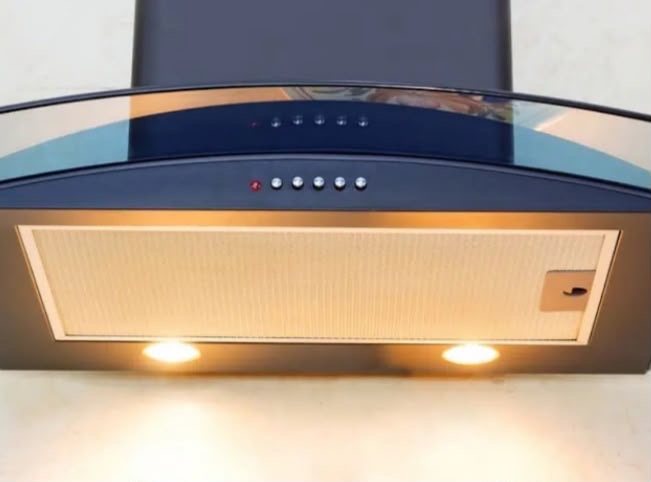
Range hoods are indispensable kitchen appliances, expertly designed to vent away smoke, grease, and lingering cooking odors. Many modern models also feature built-in lighting to illuminate the stovetop, providing excellent visibility while you prepare meals. However, a frequent question among homeowners is whether it is safe and energy efficient to leave these lights on throughout the night. Exploring the advantages and disadvantages of this habit can help you decide if it is the right choice for your home.
There are several compelling reasons to keep your range hood lights burning after dark. The most immediate benefit is enhanced kitchen safety. If you need to navigate to the kitchen in the middle of the night for a glass of water or a midnight snack, a softly lit space prevents accidents, allowing you to avoid fumbling in the dark or tripping over unseen obstacles. Additionally, a gently illuminated kitchen can serve as a subtle security measure. It creates the illusion that someone is awake and at home, which may help deter potential intruders without drawing excessive attention. Finally, there is the factor of pure convenience, as having the lights already on saves you the minor hassle of locating a switch and waiting for the bulbs to reach full brightness during a quick late night visit.
Despite these benefits, leaving the lights on all night is not without its downsides. The most significant concern is energy consumption. Even though modern LED bulbs are highly efficient, they still draw electricity. Over months and years, this continuous usage can lead to a noticeable increase in your utility bills and a larger carbon footprint. Furthermore, constant operation can shorten the lifespan of the bulbs. While LEDs are known for their durability, running them uninterrupted will inevitably lead to more frequent replacements. Another critical factor is light pollution. The glow from the range hood can easily spill into adjacent rooms, potentially disrupting the sleep of family members. This is especially problematic in open concept homes where the kitchen is directly connected to living or sleeping areas.
Deciding whether to leave your range hood lights on overnight ultimately depends on your personal priorities and household dynamics. If safety, security, and convenience outweigh your concerns about electricity usage, the practice may be perfectly suitable for you. However, if you want to mitigate the drawbacks, there are several practical strategies you can employ. First, ensure you are using energy efficient LED bulbs, which consume far less power and last significantly longer than traditional incandescent or fluorescent options. Second, consider installing a dimmer switch if your range hood supports it, allowing you to lower the light intensity at night to save energy and minimize glare. Third, investing in a timer switch is a highly effective solution, as it can automatically power down the lights after a set period, preventing them from staying on all night. Finally, take a moment to evaluate your neighborhood security and home layout to determine if overnight lighting is truly necessary for your peace of mind.
Ultimately, whether it is acceptable to leave your range hood lights on overnight is a highly individual decision. By carefully weighing the benefits of safety and convenience against the costs of energy usage and potential sleep disruption, you can find a solution that fits your lifestyle. Making mindful, energy efficient choices ensures that your late night kitchen visits remain safe, convenient, and easy on your budget.