**Ultimate Thai-Inspired Shrimp Cakes Recipe: Crispy, Flavorful Patties That Steal the Show**
Welcome to this comprehensive guide on making the most irresistible shrimp cakes you’ve ever tasted. These golden, crispy-on-the-outside, tender-and-juicy-on-the-inside patties are packed with fresh shrimp, vibrant vegetables, and aromatic seasonings that dance on your palate. Whether you’re hosting a dinner party, looking for a crowd-pleasing appetizer, or craving a satisfying main course, these shrimp cakes deliver every single time.
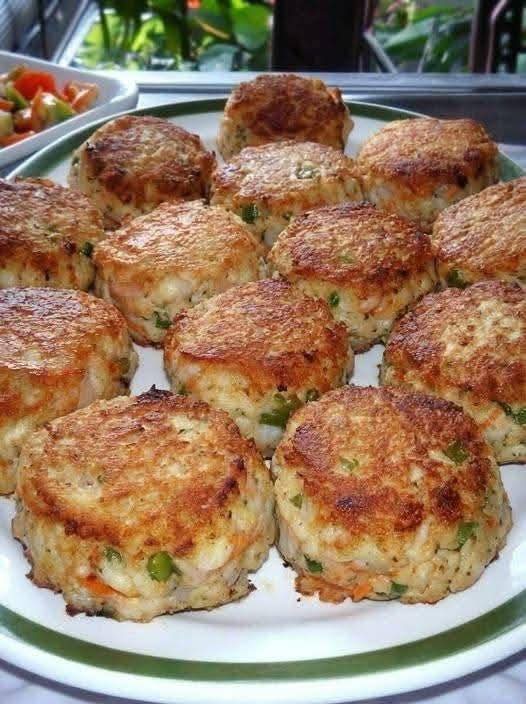
This recipe has been perfected over countless test batches to achieve that perfect balance of texture and flavor. The image that inspired this post shows beautifully browned, plump patties studded with visible shrimp pieces and flecks of green onion and carrot—exactly what you’ll achieve following these instructions. Expect restaurant-quality results right in your own kitchen.
### Why You’ll Love These Shrimp Cakes
Shrimp cakes (also known as shrimp patties or Tod Mun Goong in Thai cuisine) combine the sweetness of fresh shrimp with savory umami notes, bright herbs, and a satisfying crunch. Unlike heavier crab cakes, these highlight shrimp’s delicate sweetness while holding together beautifully thanks to smart binding techniques.
They’re versatile: serve as appetizers with dipping sauces, as a light lunch over salads, or as a main with rice and vegetables. They’re naturally gluten-free adaptable, protein-packed, and can be made ahead for easy entertaining. One batch makes about 12-16 patties—perfect for families or gatherings.
In this massive 3000+ word guide, we’ll cover everything: from ingredient science and detailed step-by-step instructions to variations, troubleshooting, nutritional breakdown, pairing suggestions, and even the cultural backstory. Let’s dive in.
### A Brief History and Cultural Context
Shrimp cakes trace their roots to Southeast Asian street food culture, particularly Thailand, where “tod mun” (fried items) are beloved. Coastal communities have long combined abundant seafood with local aromatics to create portable, flavorful bites. Similar preparations exist in Vietnamese, Malaysian, and Chinese cuisines, often featuring water chestnuts for crunch or lemongrass for fragrance.
In Western adaptations, especially in the US and Australia, shrimp cakes evolved into fusion versions using panko breadcrumbs or Old Bay seasoning. This recipe blends traditional Thai elements (fish sauce, lime, chilies) with accessible pantry staples for a universally appealing result that respects the original spirit while being practical for home cooks worldwide.
### Ingredients (Serves 6-8 as Appetizer or 4 as Main)
**For the Shrimp Cakes:**
– 1.5 lbs (680g) raw shrimp, peeled and deveined (preferably medium-large with tails off for easier chopping)
– 1 large egg, lightly beaten
– 1/2 cup (60g) panko breadcrumbs (or gluten-free alternative)
– 1/4 cup (30g) finely chopped green onions (scallions)
– 1/4 cup (30g) finely shredded carrot
– 3 tablespoons finely chopped fresh cilantro
– 3 garlic cloves, minced
– 1 tablespoon fresh ginger, grated
– 1-2 Thai bird chilies or 1 teaspoon red pepper flakes (adjust for heat)
– 2 tablespoons fish sauce (or soy sauce for non-fish version)
– 1 tablespoon fresh lime juice
– 1 teaspoon lime zest
– 1 teaspoon sugar (balances flavors)
– 1/2 teaspoon white pepper
– 1/4 teaspoon salt (fish sauce is salty, so taste carefully)
– 2-3 tablespoons neutral oil for frying (avocado, canola, or vegetable)
**For the Dipping Sauce (Sweet Chili-Lime):**
– 1/4 cup sweet chili sauce
– 2 tablespoons fresh lime juice
– 1 tablespoon fish sauce
– 1 teaspoon minced garlic
– 1 tablespoon chopped cilantro
– Optional: sliced Thai chilies for extra heat
**Optional Garnishes:**
– Fresh lime wedges
– Additional chopped cilantro or Thai basil
– Thinly sliced cucumbers or pickled vegetables
– Sesame seeds
**Pro Tip on Shrimp Selection:** Use fresh or properly thawed frozen shrimp. Avoid pre-cooked shrimp as they can become rubbery when processed and fried. Look for shrimp with a mild ocean scent—no ammonia.
### Equipment Needed
– Food processor (preferred for quick binding) or sharp knife for hand-chopping
– Large mixing bowl
– Measuring cups and spoons
– Non-stick skillet or cast iron pan
– Slotted spatula
– Wire rack for draining
– Paper towels
– Digital thermometer (optional but helpful for oil temperature)
### Detailed Step-by-Step Instructions
**Step 1: Prepare the Shrimp (15 minutes)**
Pat the shrimp dry thoroughly with paper towels. This is crucial—excess moisture prevents proper browning and can make the mixture too wet.
Reserve about 1/3 of the shrimp whole or roughly chopped for texture. Place the remaining 2/3 in the food processor. Pulse 8-10 times until you have a chunky paste with some small pieces remaining. Do not over-process into a smooth puree; you want visible shrimp texture in the final patties, just like in the inspiring photo.
**Step 2: Mix the Aromatics and Binders (10 minutes)**
In a large bowl, combine the shrimp paste with the reserved chopped shrimp. Add the beaten egg, panko, green onions, carrot, cilantro, garlic, ginger, chilies, fish sauce, lime juice and zest, sugar, white pepper, and salt.
Mix gently but thoroughly using a spatula or your hands (lightly oiled to prevent sticking). The mixture should hold together when squeezed but not feel overly sticky or dry. If too wet, add 1-2 tablespoons more panko. If too dry, add a splash of fish sauce or water.
**The Science of Binding:** The egg provides protein structure, panko absorbs moisture while adding crispiness, and the natural starches in shrimp help everything cohere. Resting the mixture allows flavors to meld and starches to hydrate for better texture.
**Step 3: Chill the Mixture (30-60 minutes)**
Cover the bowl and refrigerate for at least 30 minutes (up to 4 hours). This step is non-negotiable for easier shaping and to prevent the patties from falling apart during frying. The cold temperature firms up the fats and helps maintain shape.
**Step 4: Shape the Patties (10 minutes)**
Divide the mixture into 12-16 equal portions (about 1/4 cup each for appetizer size or 1/3 cup for larger mains). Roll each into a ball, then gently flatten into 3/4-inch thick patties about 2.5-3 inches wide. They should be uniform for even cooking.
Place shaped patties on a parchment-lined tray. If making ahead, cover and refrigerate up to 24 hours at this stage.
**Step 5: Fry to Golden Perfection (15-20 minutes)**
Heat 2-3 tablespoons oil in a large skillet over medium heat until shimmering (around 350-375°F / 175-190°C). Do not overcrowd the pan—work in batches of 4-5 patties.
Carefully add patties and cook 3-4 minutes per side until deep golden brown and crispy. The internal temperature should reach 145°F (63°C) for food safety. Adjust heat if browning too quickly.
Transfer to a wire rack set over paper towels to drain excess oil. This keeps them crispy instead of soggy.
**Step 6: Prepare the Dipping Sauce**
While patties fry, whisk all sauce ingredients together. Taste and adjust— it should be sweet, tangy, salty, and a bit spicy. Let it sit for 5 minutes for flavors to combine.
**Step 7: Rest and Serve**
Let patties rest 2-3 minutes after frying. Serve hot with sauce, lime wedges, and garnishes.
### Cooking Tips and Troubleshooting
– **Too Much Moisture?** Squeeze excess liquid from vegetables before adding.
– **Patties Falling Apart?** Chill longer or add 1-2 tablespoons cornstarch or an extra egg yolk.
– **Not Crispy Enough?** Ensure oil is hot enough and don’t move patties too early. Use panko instead of regular breadcrumbs.
– **Oil Temperature Management:** Maintain consistent heat. Too low = greasy; too high = burnt exterior, raw interior.
– **Air Fryer Adaptation:** Brush patties with oil and air fry at 375°F for 10-12 minutes, flipping halfway. Spray generously for best crisp.
– **Oven-Baked Version:** Bake at 425°F on a greased rack for 15-20 minutes, flipping once. Less crispy but healthier.
### Flavor Variations and Customizations
1. **Classic Thai Tod Mun Goong:** Add 1 tablespoon red curry paste and chopped kaffir lime leaves.
2. **Cajun-Inspired:** Incorporate Old Bay, cayenne, and bell peppers. Serve with remoulade.
3. **Mediterranean Twist:** Add feta crumbles, oregano, sun-dried tomatoes, and serve with tzatziki.
4. **Spicy Korean:** Gochujang, sesame oil, and kimchi in the mix.
5. **Low-Carb/Keto:** Replace panko with almond flour or crushed pork rinds.
6. **Vegetarian Version:** Swap shrimp for chopped mushrooms, chickpeas, or hearts of palm.
7. **Gluten-Free:** Certified GF panko or oats pulsed into crumbs.
Experiment with add-ins like water chestnuts for crunch, corn kernels for sweetness, or lemongrass for fragrance.
### Serving Suggestions and Pairings
– **Appetizer Spread:** Arrange on a platter with dipping sauces, pickled veggies, and fresh herbs.
– **Main Course:** Serve 3-4 patties per person over coconut rice, quinoa, or cauliflower rice. Pair with stir-fried bok choy or a mango salad.
– **Salad Topper:** Break patties over mixed greens with avocado, cherry tomatoes, and a sesame-ginger dressing.
– **Taco Night:** Stuff into warm corn tortillas with slaw and crema.
– **Brunch Idea:** Serve alongside eggs benedict-style with hollandaise.
**Beverage Pairings:** Crisp white wines (Sauvignon Blanc, Riesling), light beers, Thai iced tea, or cucumber-mint infused water.
### Make-Ahead, Storage, and Freezing
– **Refrigerator:** Uncooked patties up to 24 hours. Cooked leftovers up to 3 days.
– **Freezer:** Flash-freeze shaped uncooked patties on a tray, then transfer to freezer bags up to 3 months. Cook from frozen, adding 1-2 extra minutes per side.
– **Reheating:** Oven at 350°F for 8-10 minutes or air fryer for best texture. Avoid microwave to preserve crispiness.
### Nutritional Information (Per Patty, Approximate)
– Calories: 140-160
– Protein: 12g
– Carbs: 6-8g
– Fat: 7g
– Rich in selenium, vitamin B12, and omega-3s from shrimp.
Full batch analysis and customization calculator suggestions available in advanced meal planning (track with your favorite app).
### Frequently Asked Questions
**Can I use canned shrimp?** Not recommended—texture suffers greatly. Fresh or frozen is best.
**How do I make them less spicy?** Omit chilies entirely and rely on ginger and garlic for warmth.
**Are these kid-friendly?** Yes! Many children love the mild sweetness. Make smaller “nuggets” and serve with ketchup or mild sweet chili.
**What’s the best way to scale this recipe?** Easily doubles or triples. Use a large sheet pan for chilling multiple batches.
**Can I grill them?** Yes—oil the grates well and cook over medium-high heat 3-4 minutes per side.
**Why rest the mixture?** Flavor development and structural integrity.
### Advanced Techniques for Next-Level Results
– **Double Dredge:** For ultra-crispy exterior, lightly dust shaped patties in cornstarch before frying.
– **Flavor Infusion:** Toast spices like coriander seeds before grinding and adding.
– **Texture Play:** Incorporate 1/4 cup finely diced water chestnuts or jicama.
– **Presentation:** Use a ring mold for perfectly round, professional-looking patties.
– **Batch Frying Optimization:** Keep finished batches warm in a 200°F oven while frying the rest.
### The Art and Science of Perfect Frying
Understanding Maillard reaction (browning) explains why high heat and dry surfaces create that irresistible crust. pH balance from lime and fish sauce enhances umami. Resting after cooking allows juices to redistribute for maximum succulence.
### Why This Recipe Works So Well
The combination of pulsed and chopped shrimp creates varied textures. Aromatics provide layered flavor without overpowering the seafood. Proper chilling prevents spreading during cooking. Attention to oil temperature ensures crisp exteriors without greasiness.
### Personal Notes and Story Behind This Recipe
This recipe evolved from childhood memories of Asian street markets and years of tweaking ratios in home kitchens. The first attempts were too dense or fell apart, but persistent testing led to this foolproof version. Friends and family consistently rate these as better than takeout.
### Expanding Your Seafood Cooking Repertoire
Once you master shrimp cakes, try similar techniques with crab, fish, or scallop cakes. Explore global variations: Japanese ebi shinjo, Spanish tortillitas de camarones, or Southern shrimp and grits cakes.
### Conclusion: Time to Get Cooking!
These Thai-inspired shrimp cakes are more than a recipe—they’re a celebration of flavor, texture, and simplicity. With detailed guidance above, even beginners can achieve stunning results. The crispy exterior giving way to tender, seasoned shrimp inside is pure comfort food magic.
Q