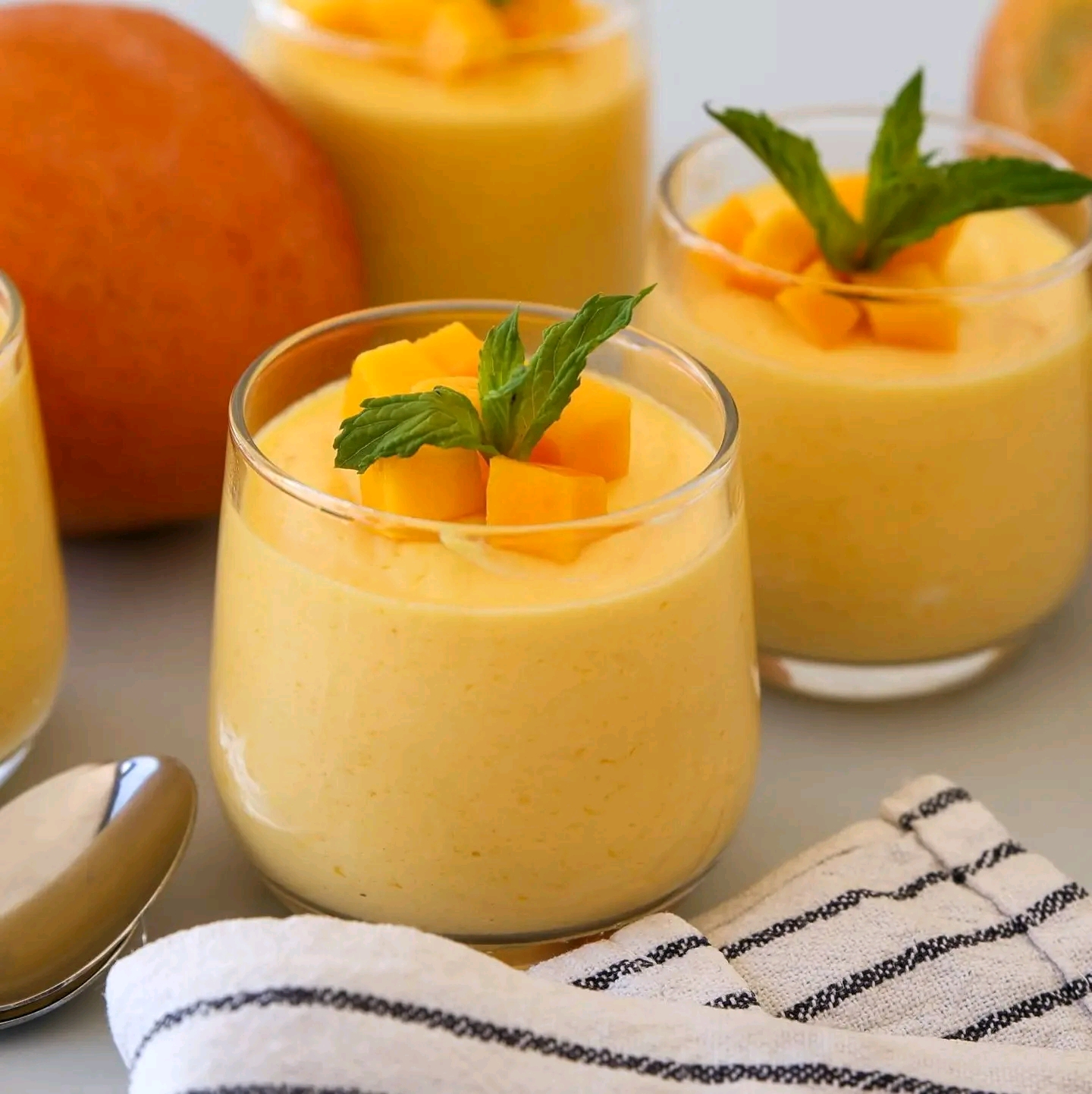
The Ultimate Mango Mousse Recipe: A Delightful Tropical Dessert
Mango mousse is a luscious, creamy dessert that perfectly captures the tropical sweetness of ripe mangoes combined with the light, airy texture of mousse. This dessert is not only delicious but also visually appealing and easy to prepare, making it a favorite for summer parties, festive occasions, or simply a refreshing treat after a meal.
In this extensive guide, you will learn everything about making the perfect mango mousse from scratch — from selecting the best mangoes to mastering the mousse texture, along with tips, variations, and serving ideas. Whether you are a beginner or an experienced cook, this recipe will help you create a dessert that impresses every time.
Table of Contents
Introduction to Mango Mousse
Why Mango Mousse?
Choosing the Right Mangoes
Essential Ingredients and Their Roles
Equipment Needed
Step-by-Step Mango Mousse Recipe
Tips for Perfect Texture and Flavor
Variations and Flavor Twists
Serving Suggestions and Presentation Ideas
Storing and Shelf Life
Nutritional Information
Frequently Asked Questions (FAQs)
Conclusion
1. Introduction to Mango Mousse
Mango mousse is a dessert that combines the tropical flavor of mangoes with the light, airy texture of mousse, a French culinary technique that incorporates air into a mixture to create a fluffy consistency. Traditionally, mousse is made with whipped cream or egg whites, and in this recipe, we use whipped cream to keep it simple and safe for all ages.
The result is a creamy, smooth, and refreshing dessert that melts in your mouth. Mango mousse is perfect for hot weather because it is served chilled and offers a burst of fruity sweetness without being overly heavy.
2. Why Mango Mousse?
Mango mousse stands out for several reasons:
Flavor: The natural sweetness and aroma of mangoes make this dessert irresistible.
Texture: The mousse is light and airy, contrasting beautifully with the creamy mango base.
Versatility: It can be served in individual glasses, layered in parfaits, or used as a filling for cakes.
Ease of Preparation: With simple ingredients and straightforward steps, it’s accessible to cooks of all skill levels.
Healthier Option: Compared to many desserts, mango mousse can be made with minimal sugar and natural fruit, making it a healthier choice.
3. Choosing the Right Mangoes
The quality of mango mousse depends heavily on the mangoes you use. Here’s how to pick the best mangoes:
Variety: Alphonso, Ataulfo (Honey mango), or Kent mangoes are ideal due to their sweetness and creamy texture.
Ripeness: Choose mangoes that are ripe but not overripe. They should yield slightly to gentle pressure and have a fragrant aroma.
Color: Look for vibrant yellow-orange skin with minimal green patches.
Texture: The flesh should be soft and juicy, perfect for blending into a smooth puree.
If fresh mangoes are not available, frozen mango pulp can be used, but fresh mangoes always yield the best flavor.
4. Essential Ingredients and Their Roles
Here’s a breakdown of the ingredients and why each is important:
Ingredient Quantity (for 4 servings) Role in Recipe
Ripe mangoes 3 large (about 600g pulp) Main flavor and base of the mousse
Heavy whipping cream 1 cup (240 ml) Provides lightness and creamy texture
Sugar 1/4 to 1/3 cup (50-65g) Sweetens the mousse, adjust to taste
Gelatin powder 1 tablespoon Stabilizes the mousse, helps it set
Water (for gelatin) 3 tablespoons Dissolves gelatin
Lemon juice 1 teaspoon Balances sweetness, enhances mango flavor
Vanilla extract 1/2 teaspoon Adds depth and aroma
Fresh mint leaves For garnish (optional) Adds freshness and visual appeal
5. Equipment Needed
To make mango mousse, you will need:
Blender or food processor (for pureeing mangoes)
Mixing bowls (preferably chilled)
Electric mixer or whisk (for whipping cream)
Small saucepan (for dissolving gelatin)
Measuring cups and spoons
Serving glasses or bowls
Spatula (for folding ingredients)
6. Step-by-Step Mango Mousse Recipe
Step 1: Prepare the Mango Puree
Peel the mangoes and cut the flesh away from the seed.
Place the mango flesh in a blender or food processor.
Blend until smooth and creamy, ensuring no lumps remain.
Taste the puree and add lemon juice to brighten the flavor.
Set aside.
Step 2: Dissolve the Gelatin
Sprinkle gelatin powder over 3 tablespoons of cold water in a small bowl.
Let it bloom for 5 minutes until it swells.
Heat the bloomed gelatin gently over a double boiler or in short bursts in the microwave until fully dissolved (do not boil).
Allow the gelatin to cool slightly but remain liquid.
Step 3: Whip the Cream
Chill the mixing bowl and beaters in the fridge for 10-15 minutes for best results.
Pour the heavy whipping cream into the chilled bowl.
Whip on medium-high speed until soft peaks form.
Add sugar gradually while whipping until stiff peaks form, but be careful not to overwhip.
Step 4: Combine Mango Puree and Gelatin
Stir the dissolved gelatin into the mango puree quickly and mix well.
Add vanilla extract and mix again.
Step 5: Fold Whipped Cream into Mango Mixture
Take about one-third of the whipped cream and mix it vigorously into the mango puree to lighten it.
Gently fold in the remaining whipped cream using a spatula, taking care not to deflate the mixture.
The goal is to keep the mousse light and airy.
Step 6: Chill and Set
Spoon the mousse into serving glasses or bowls.
Refrigerate for at least 4 hours or until set.
For best results, chill overnight.
Step 7: Garnish and Serve
Before serving, garnish with small mango cubes and fresh mint leaves.
Serve chilled and enjoy!
7. Tips for Perfect Texture and Flavor
Use fresh, ripe mangoes: They provide the best flavor and natural sweetness.
Chill your equipment: Cold bowls and beaters help whip cream faster and better.
Do not overwhip cream: Overwhipping can turn cream into butter.
Fold gently: To maintain mousse’s airy texture, fold whipped cream carefully.
Adjust sweetness: Depending on mango sweetness, adjust sugar accordingly.
Gelatin alternatives: For a vegetarian version, use agar-agar but follow package instructions carefully.
8. Variations and Flavor Twists
Coconut Mango Mousse
Add 1/2 cup of coconut milk to the mango puree for a tropical twist. Garnish with toasted coconut flakes.
Spiced Mango Mousse
Add a pinch of ground cardamom or cinnamon to the mango puree for a warm, aromatic flavor.
Mango and Passion Fruit Mousse
Mix passion fruit pulp into the mango puree for a tangy contrast.
Vegan Mango Mousse
Use coconut cream instead of heavy cream and agar-agar instead of gelatin for a vegan-friendly mousse.
9. Serving Suggestions and Presentation Ideas
Serve mango mousse in clear glasses to showcase its vibrant color.
Layer with crushed biscuits or granola for texture contrast.
Top with fresh berries or edible flowers for elegance.
Pair with a light dessert wine or sparkling water with lime.
Use as a filling for cakes or tarts for a tropical dessert centerpiece.
10. Storing and Shelf Life
Store mango mousse covered in the refrigerator.
Best consumed within 2-3 days for freshness.
Avoid freezing as it can alter texture.
If storing in bulk, keep in airtight containers to prevent absorption of fridge odors.
11. Nutritional Information (Approximate per serving)
Nutrient Amount
Calories 220 kcal
Protein 2 g
Fat 15 g
Saturated Fat 10 g
Carbohydrates 20 g
Sugars 18 g
Fiber 2 g
Vitamin C 60% of RDI
Vitamin A 25% of RDI
12. Frequently Asked Questions (FAQs)
Q1: Can I make mango mousse without gelatin?
A1: Yes, you can use agar-agar as a vegetarian substitute or skip gelatin altogether, but the mousse may be less firm.
Q2: How do I know when the mousse is set?
A2: It should be firm to the touch and hold its shape when scooped.
Q3: Can I prepare mango mousse in advance?
A3: Yes, it tastes better when chilled overnight.
Q4: What if my mangoes are not sweet enough?
A4: Add a bit more sugar or a splash of honey to balance the tartness.
Q5: Can I use canned mango pulp?
A5: Yes, but fresh mangoes provide better flavor and texture.
13. Conclusion
Mango mousse is a versatile, elegant dessert that brings the tropical sunshine to your table. With its creamy texture and vibrant flavor, it’s sure to impress guests and satisfy your sweet cravings. This detailed recipe ensures you have all the knowledge and tips needed to create the perfect mango mousse every time.
Enjoy the process, experiment with flavors, and most importantly, savor every spoonful of this delightful tropical treat!