The Art and Science of Cooking with Mushrooms: A Culinary Exploration
Mushrooms have long held a special place in the culinary world, celebrated for their unique textures, earthy flavors, and remarkable versatility. From ancient times to modern kitchens, mushrooms have been revered not only for their taste but also for their nutritional benefits and medicinal properties. This article delves deep into the art and science of cooking with mushrooms, exploring their varieties, culinary uses, health benefits, and tips for selecting and preparing them to elevate your cooking experience.
Introduction to Mushrooms: Nature’s Hidden Gems
Mushrooms are fungi, distinct from plants and animals, thriving in diverse environments worldwide. Unlike plants, they do not rely on photosynthesis but absorb nutrients from organic matter. This unique biological makeup contributes to their complex flavors and textures, making them a prized ingredient in many cuisines.
The culinary appeal of mushrooms lies in their umami flavor—a savory taste that enhances dishes without overpowering them. This natural flavor enhancer makes mushrooms a favorite among chefs and home cooks alike, capable of transforming simple recipes into gourmet meals.
Popular Varieties of Mushrooms and Their Culinary Uses
Mushrooms come in an astonishing variety of shapes, sizes, and flavors. Understanding the characteristics of popular types can help you choose the right mushroom for your dish.
1. Button Mushrooms (Agaricus bisporus)
The most common and widely available mushroom, button mushrooms are mild in flavor and versatile. They can be eaten raw in salads, sautéed, grilled, or added to soups and stews. When mature, they are known as cremini or baby bella mushrooms, which have a deeper flavor.
2. Portobello Mushrooms
Portobellos are mature cremini mushrooms with a meaty texture and robust flavor. Their size and texture make them excellent meat substitutes in vegetarian dishes, often grilled or stuffed.
3. Shiitake Mushrooms
Originating from East Asia, shiitake mushrooms have a rich, smoky flavor. They are commonly used in Asian cuisine, especially in soups, stir-fries, and sauces. Shiitakes are also prized for their health benefits.
4. Oyster Mushrooms
Delicate and slightly sweet, oyster mushrooms have a velvety texture. They cook quickly and are excellent in sautés, pasta dishes, and as a topping for pizzas.
5. Morel Mushrooms
Morels are wild mushrooms with a distinctive honeycomb appearance and a nutty, earthy flavor. They are seasonal and highly sought after by gourmet chefs.
6. Chanterelle Mushrooms
Known for their fruity aroma and slightly peppery taste, chanterelles are prized in French cuisine. They pair well with cream sauces, eggs, and poultry.
7. Enoki Mushrooms
Thin and delicate, enoki mushrooms have a mild flavor and crunchy texture. They are often used in salads, soups, and Asian dishes.
Nutritional and Health Benefits of Mushrooms
Mushrooms are not only delicious but also packed with nutrients that contribute to a healthy diet.
Rich Source of Vitamins and Minerals
Mushrooms provide essential vitamins such as B-complex vitamins (riboflavin, niacin, pantothenic acid), vitamin D (especially when exposed to sunlight), and minerals like selenium, copper, and potassium. These nutrients support energy metabolism, immune function, and antioxidant defense.
Low in Calories and Fat
Mushrooms are naturally low in calories, fat-free, and cholesterol-free, making them an excellent choice for weight management and heart health.
High in Antioxidants
Mushrooms contain antioxidants like ergothioneine and glutathione, which help protect cells from damage caused by free radicals, potentially reducing the risk of chronic diseases.
Immune System Support
Certain mushrooms, such as shiitake and maitake, contain beta-glucans, compounds known to enhance immune response and may have anti-inflammatory properties.
Potential Anti-Cancer Properties
Research suggests that some mushrooms may have compounds that inhibit tumor growth and support cancer prevention, though more studies are needed to confirm these effects.
Selecting and Storing Mushrooms: Tips for Freshness and Flavor
Choosing the right mushrooms and storing them properly is crucial to maintaining their flavor and texture.
How to Select Fresh Mushrooms
Look for firm, plump mushrooms with smooth caps.
Avoid mushrooms that are slimy, wrinkled, or have dark spots.
Smell the mushrooms; fresh ones have a pleasant earthy aroma.
Buy mushrooms from reputable sources or farmers’ markets for the best quality.
Proper Storage Techniques
Store mushrooms in a paper bag or wrapped in a paper towel inside the refrigerator to absorb moisture and prevent sliminess.
Avoid airtight containers or plastic bags that trap moisture.
Use mushrooms within a few days of purchase for optimal freshness.
Preparing Mushrooms for Cooking
Proper preparation enhances the flavor and texture of mushrooms.
Cleaning Mushrooms
Avoid soaking mushrooms in water as they absorb moisture and become soggy.
Use a damp cloth or soft brush to gently clean dirt off the mushrooms.
For more delicate varieties like morels, a quick rinse followed by thorough drying is acceptable.
Cutting and Slicing
Slice mushrooms evenly to ensure uniform cooking.
For dishes requiring a meaty texture, thicker slices or whole mushrooms work best.
Chop finely for sauces, fillings, or soups.
Cooking Techniques for Mushrooms
Mushrooms can be cooked in various ways, each bringing out different flavors and textures.
Sautéing
Sautéing mushrooms in butter or oil over medium-high heat is one of the most popular methods. It caramelizes the mushrooms, intensifying their flavor. Avoid overcrowding the pan to allow even browning.
Roasting
Roasting mushrooms in the oven with herbs and olive oil creates a deep, concentrated flavor. This method is excellent for hearty mushrooms like portobello and cremini.
Grilling
Grilled mushrooms develop a smoky flavor and firm texture, perfect for vegetarian dishes or as a side.
Stir-Frying
Quick stir-frying with vegetables and sauces is common in Asian cuisine, preserving the mushrooms’ texture and freshness.
Adding to Soups and Stews
Mushrooms add depth and umami to broths and stews, enhancing the overall flavor profile.
Using Mushrooms in Sauces
Creamy mushroom sauces are classic accompaniments to meats, pasta, and vegetables. The mushrooms are cooked down and combined with cream, wine, or broth for richness.
Recipes Highlighting Mushrooms
Here are some popular mushroom-based recipes that showcase their versatility:
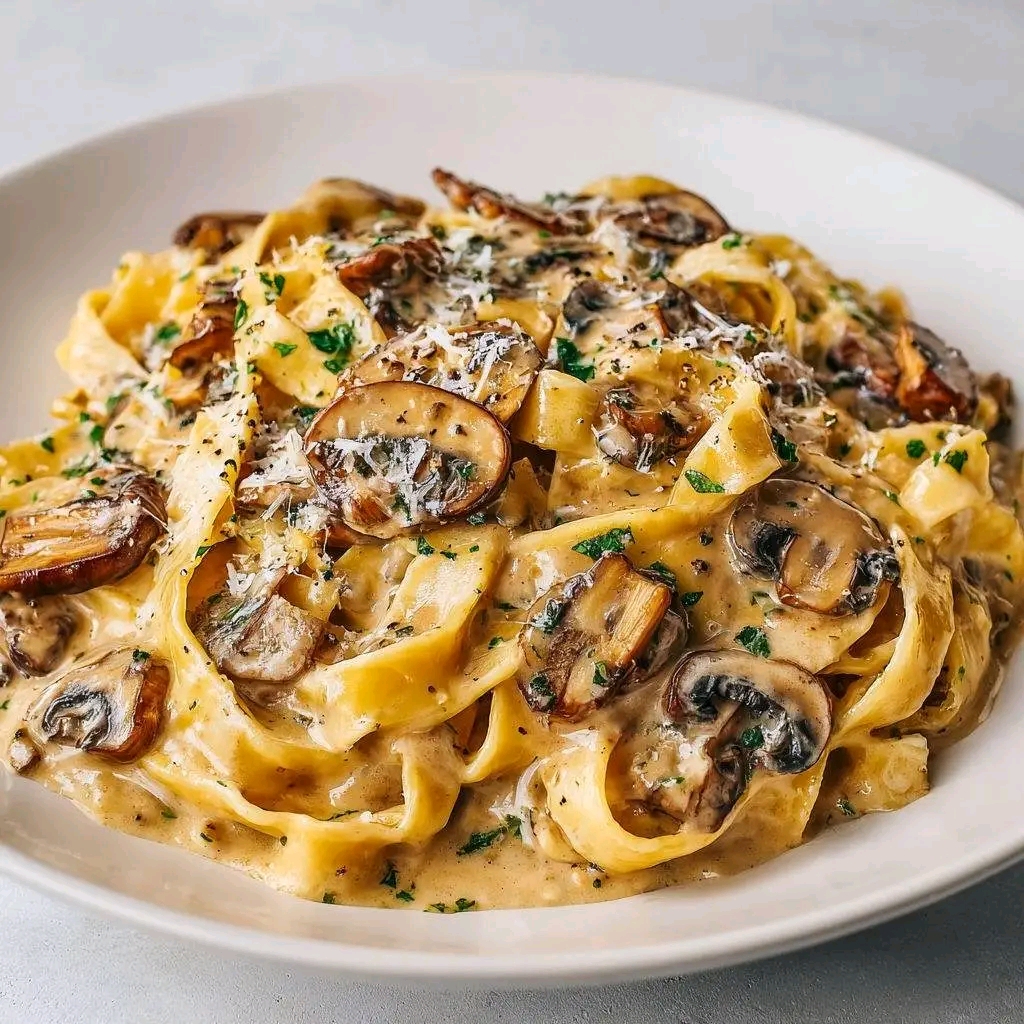
Creamy Mushroom Pasta
A luscious dish combining sautéed mushrooms, garlic, cream, and Parmesan cheese tossed with pasta. This recipe highlights the earthy flavor of mushrooms in a comforting, rich sauce.
Stuffed Portobello Mushrooms
Large portobello caps filled with a mixture of breadcrumbs, cheese, herbs, and sometimes sausage or vegetables, then baked until golden.
Mushroom Risotto
A classic Italian dish where mushrooms are cooked with Arborio rice, broth, and Parmesan, creating a creamy, flavorful meal.
Mushroom Soup
A hearty soup made by blending sautéed mushrooms with broth, cream, and herbs, perfect for warming up on a cold day.
Mushroom Stir-Fry
Quick and healthy, this dish combines mushrooms with colorful vegetables and a savory sauce, served over rice or noodles.
Mushrooms in Vegetarian and Vegan Cooking
Mushrooms are invaluable in plant-based diets due to their meaty texture and umami flavor, which can replace or complement animal proteins.
Meat Substitute
Portobello mushrooms, with their dense texture, are often used as burger patties or grilled steaks.
Flavor Enhancer
Adding mushrooms to vegetarian dishes boosts flavor complexity without extra fat or salt.
Nutritional Boost
Mushrooms provide essential nutrients often lacking in vegetarian diets, such as vitamin D and B vitamins.
The Science Behind Mushroom Flavor: Umami and Beyond
The unique taste of mushrooms is largely due to their high content of glutamates and nucleotides, compounds responsible for umami—the fifth basic taste. This savory flavor enhances the taste of other ingredients and creates a satisfying depth in dishes.
Cooking methods like sautéing and roasting trigger the Maillard reaction, a chemical process that browns the mushrooms and develops complex flavors and aromas.
Common Mistakes When Cooking Mushrooms and How to Avoid Them
Overcrowding the Pan: This causes mushrooms to steam rather than brown, resulting in a soggy texture.
Using Too Much Oil or Butter: Mushrooms absorb fat quickly; use moderate amounts to avoid greasy dishes.
Not Seasoning Properly: Salt enhances mushroom flavor but should be added at the right time to avoid drawing out too much moisture.
Overcooking: Mushrooms can become rubbery if cooked too long; cook until just tender and browned.
Preserving Mushrooms: Drying, Freezing, and Pickling
To enjoy mushrooms beyond their fresh season, preservation methods are useful.
Drying
Dried mushrooms have intensified flavor and long shelf life. They can be rehydrated in water or broth before use.
Freezing
Mushrooms should be cooked before freezing to maintain texture and flavor.
Pickling
Pickled mushrooms add a tangy, savory element to salads and appetizers.
Mushrooms and Food Safety
While most culinary mushrooms are safe, some wild mushrooms are toxic. Always source mushrooms from trusted suppliers and avoid foraging unless you are an expert.
Proper cooking also ensures the destruction of any harmful bacteria or toxins.
Conclusion: Embracing Mushrooms in Your Culinary Journey
Mushrooms are a remarkable ingredient that bridges the gap between flavor, nutrition, and culinary creativity. Whether you are a seasoned chef or a home cook, understanding the varieties, preparation techniques, and cooking methods can transform your dishes and delight your palate.
By incorporating mushrooms into your meals, you not only enhance taste but also benefit from their health-promoting properties. Experiment with different types and recipes, and discover the endless possibilities that mushrooms offer in the kitchen.