The Hidden Gem of the Orchard: A Deep Dive into the World of Mulberries
For many, the mention of a “mulberry” evokes the rhythmic cadence of a nursery rhyme or a vague memory of purple-stained fingertips after a summer afternoon spent climbing trees. Yet, in the world of horticulture and culinary arts, the mulberry is far more than a childhood curiosity. It is an ancient, resilient, and incredibly diverse fruit that has shaped economies, inspired poets, and offered a nutritional powerhouse to those patient enough to harvest it.
This comprehensive guide explores the rich tapestry of the mulberry—from its silk-weaving history and botanical complexities to its modern status as a “superfood” and a versatile ingredient in the contemporary kitchen.
1. The Botanical Lineage: Not Just Another Berry
Despite their appearance, mulberries are not “true” berries in the botanical sense. They are aggregate fruits. Each individual “bump” on a mulberry is actually a tiny fruit derived from an individual flower, clustered together around a central stem.
The Three Pillars of Morus
The genus Morus comprises several species, but three dominate the landscape:
- Morus alba (White Mulberry): Native to East Asia, this species was famously imported globally for the sericulture (silk) industry. While the fruit can be white, it often turns pink or purple. It is known for its high sugar content but mild, honey-like acidity.
- Morus rubra (Red Mulberry): The native North American variety. It boasts a deep, rich flavor that balances sweetness with a sharp tartness. It is increasingly rare due to hybridization with the more aggressive White Mulberry.
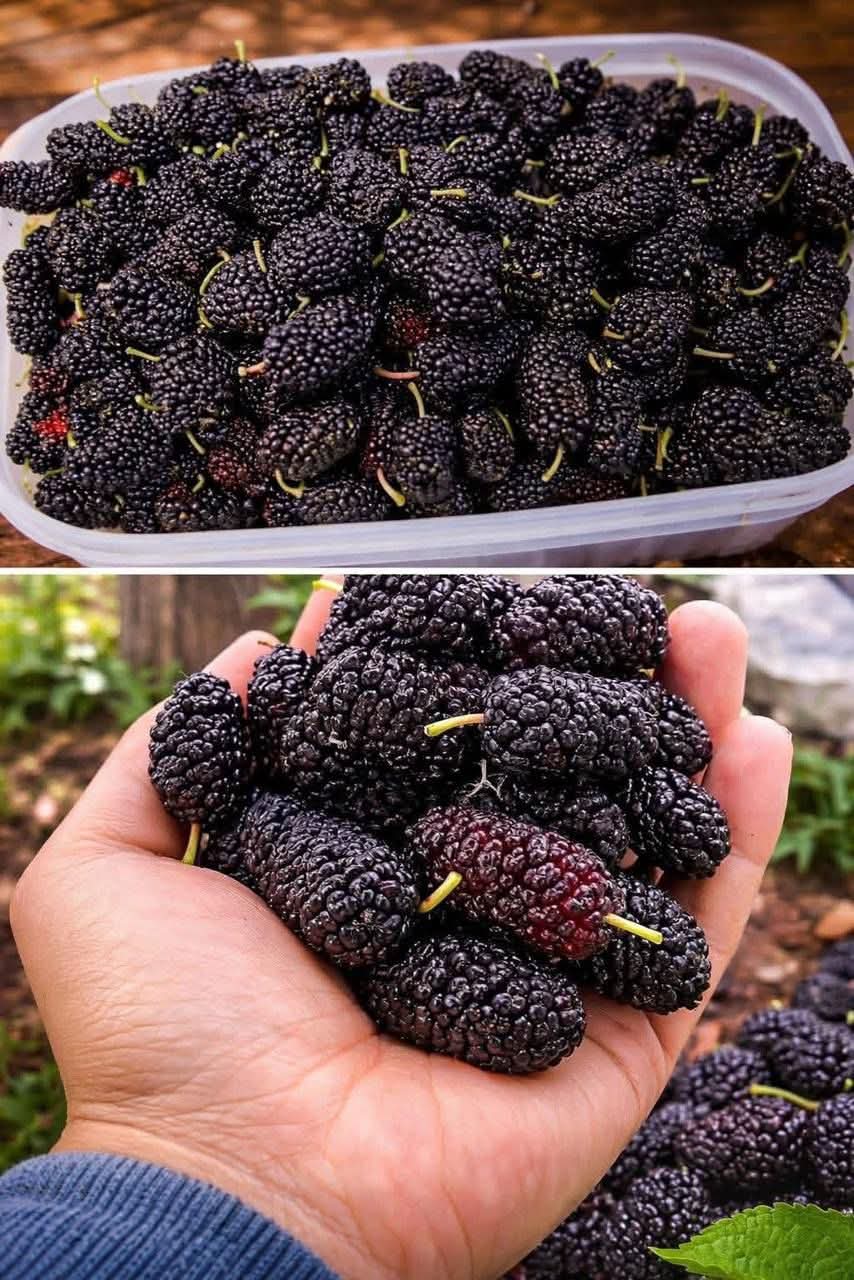
- Morus nigra (Black Mulberry): Originating in Western Asia, this is the “gourmet” mulberry. It produces large, juicy, dark purple-to-black fruits with a complex, wine-like flavor profile that many connoisseurs consider superior to all others.
2. A Silk-Spun History: The Tree That Built Empires
The history of the mulberry tree is inextricably linked to the history of silk. For over 5,000 years, the White Mulberry (Morus alba) has been the primary food source for the silkworm (Bombyx mori).
The Secret of the East
In ancient China, the process of making silk was a closely guarded state secret. Smuggling silkworm eggs or mulberry seeds out of the country was a crime punishable by death. The “Silk Road” wasn’t just a path for fabric; it was the conduit through which the mulberry tree eventually migrated to Byzantium, Italy, and beyond.
The Great British Mulberry Blunder
One of the most famous anecdotes in botanical history involves King James I of England. In an attempt to establish a British silk industry to compete with the French, he ordered the planting of tens of thousands of mulberry trees across London. However, he mistakenly ordered the Black Mulberry (Morus nigra) instead of the White Mulberry preferred by silkworms. While the silk industry failed, London was left with a legacy of beautiful, ancient black mulberry trees that still fruit in parks and private gardens today.
3. The Nutritional Profile: Nature’s Multivitamin
In an era of “superfoods,” the mulberry deserves a seat at the head of the table. These fruits are nutrient-dense powerhouses that offer significant health benefits.
Key Nutrients
- Vitamin C: A single cup of mulberries provides nearly 85% of the daily recommended intake, essential for immune function and skin health.
- Iron: Rare for a berry, mulberries are an excellent source of iron, which helps transport oxygen throughout the body.
- Fiber: High pectin content aids in digestion and helps regulate blood sugar levels.
- Resveratrol: The same antioxidant found in red wine, known for its heart-healthy properties and anti-aging potential.
Anthocyanins and Health
The deep pigment in black and red mulberries comes from anthocyanins. These potent antioxidants help combat oxidative stress, reduce inflammation, and have been studied for their potential role in neuroprotection and cancer prevention.
4. The Harvest Challenge: Why You Don’t See Them in Stores
If mulberries are so delicious and healthy, why are they absent from the local supermarket? The answer lies in their extreme fragility.
The 24-Hour Clock
Once picked, a mulberry begins to degrade almost immediately. They have very thin skins and a high water content, making them susceptible to bruising and fermentation. Unlike blueberries or strawberries, they do not ship well and have a shelf life of barely 24 to 48 hours.
The “Sheet” Method
For the home grower, harvesting by hand is tedious. The traditional method involves spreading a clean sheet or tarp under the tree and gently shaking the branches. The ripe berries fall, while the underripe ones remain. This “rain of berries” is a quintessential summer experience for foragers.
5. Culinary Versatility: From Simple Syrups to Fine Dining
Because of their unique sweet-tart balance, mulberries are a favorite among chefs who enjoy working with seasonal, fleeting ingredients.
Sweet Applications
- Preserves and Jams: The high pectin content in slightly underripe mulberries makes them perfect for jams.
- Mulberry Pie: Often mixed with apples or rhubarb to provide structural contrast, a mulberry pie is a deep-purple delight.
- Dried Mulberries: White mulberries are often dried, resulting in a chewy, caramel-flavored snack that resembles a raisin but with more crunch.
Savory Pairings
- Gastrique: A mulberry reduction with balsamic vinegar and shallots creates a stunning sauce for roasted duck or pork loin.
- Salads: Fresh mulberries pair beautifully with creamy goat cheese, toasted walnuts, and arugula.
6. Cultivation: Growing Your Own Legacy
Mulberry trees are remarkably hardy and can grow in a wide range of soils. They are fast-growing and provide excellent shade.
Planning Your Planting
- Location: Avoid planting near sidewalks or driveways. The falling fruit will stain concrete (and shoes) a deep, stubborn purple.
- Pruning: Mulberries fruit on the previous year’s growth. Regular pruning helps keep the tree at a manageable height for harvesting.
- Varieties for Small Gardens: Look for “Dwarf Everbearing” varieties, which can be kept in large pots or small garden spaces and fruit multiple times throughout the season.
7. The Future of the Mulberry
As we move toward more sustainable and local food systems, the mulberry is seeing a resurgence. Its ability to grow without heavy pesticide use and its tolerance for various climates makes it a resilient crop for a changing planet.
From the urban forager spotting a “weed tree” sagging with fruit to the high-end pastry chef crafting a seasonal tart, the mulberry remains a symbol of summer’s abundance. It is a fruit that demands you slow down, enjoy the moment, and perhaps embrace a few purple stains as a badge of honor.
Summary Table: Mulberry Species Comparison
| Feature | White Mulberry (M. alba) | Red Mulberry (M. rubra) | Black Mulberry (M. nigra) |
|---|---|---|---|
| Flavor | Sweet, honey-like, mild | Balanced sweet and tart | Rich, acidic, wine-like |
| Tree Size | Large, aggressive | Medium to Large | Smaller, spreading |
| Native To | East Asia | North America | Western Asia |
| Primary Use | Silk industry, dried fruit | Foraging, wildlife | Fresh eating, preserves |
| Whether you are interested in the historical intrigue of the Silk Road or simply looking for a new addition to your backyard orchard, the mulberry offers a wealth of possibilities. It is a reminder that some of the best things in life are fleeting, fragile, and found just outside our back door. |