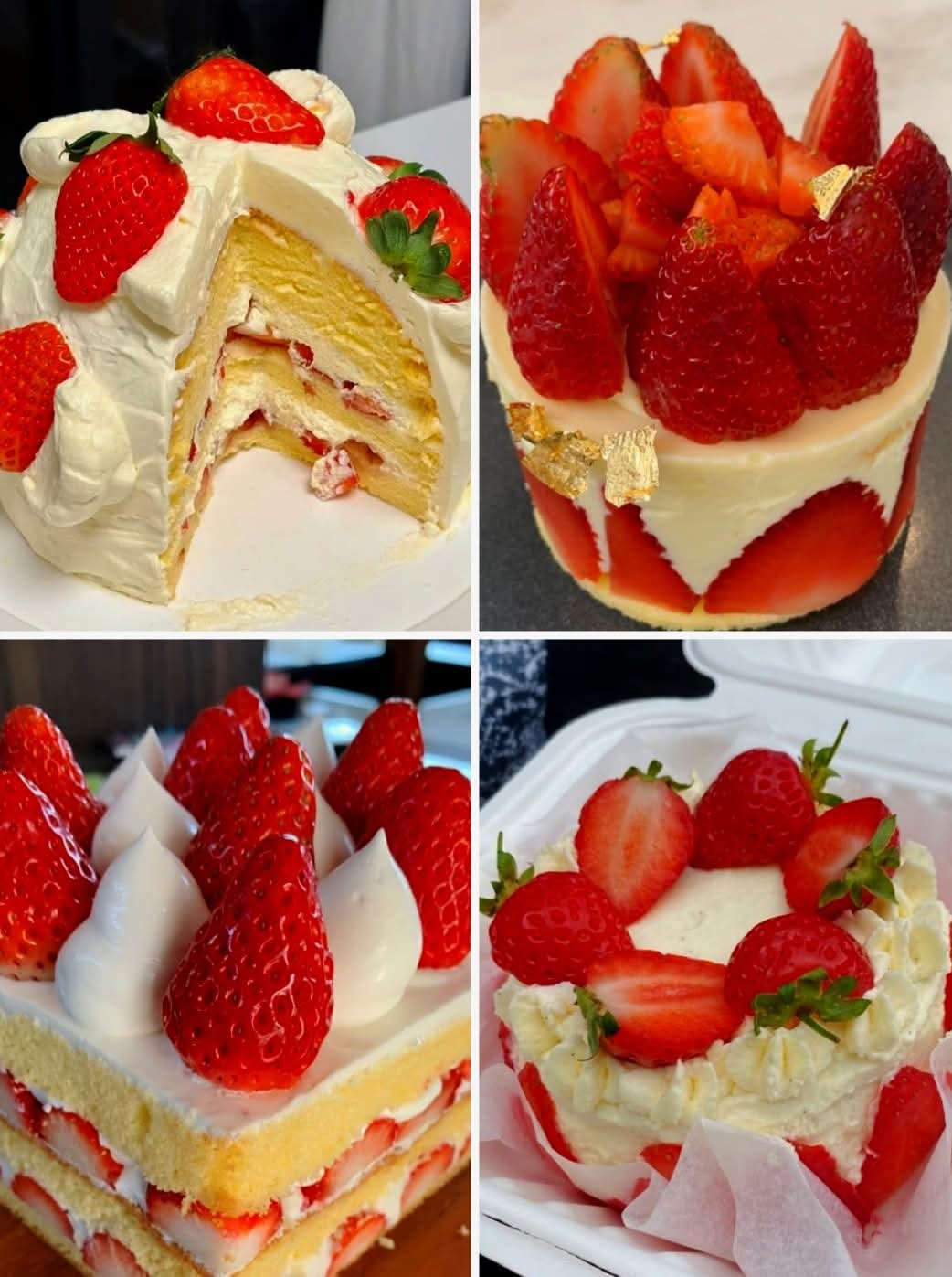
The Art of the Strawberry Shortcake: A Masterclass in Texture, Flavor, and Elegance
The strawberry shortcake is a dessert that exists in the rare intersection of childhood nostalgia and high-end pâtisserie. To the casual observer, it is a simple assembly of fruit, cream, and cake. However, to the baker, it is a rigorous exercise in balance. It is a study of how the acidity of a berry can cut through the richness of dairy, and how the structural integrity of a sponge determines the longevity of a slice.
From the rustic, biscuit-based American tradition to the ethereal, cloud-like Japanese Shitoruto Keki, the strawberry shortcake is a global icon. In this comprehensive guide, we will deconstruct the components, explore the cultural variations, and master the techniques required to create a world-class dessert that looks as stunning as those found in the finest boutiques.
1. The Anatomy of Perfection
A truly exceptional strawberry shortcake is not defined by one single ingredient, but by the synergy between its three core pillars: the cake, the cream, and the fruit.
The Foundation: Choosing Your Sponge
While many variations exist, the two primary contenders for the “perfect” base are the Genoise and the Chiffon.
- The Genoise: A classic French sponge where whole eggs are beaten with sugar over a bain-marie until they reach “ribbon stage.” Melted butter is folded in at the end for richness. It is sturdy enough to hold multiple layers of fruit and cream without collapsing.
- The Chiffon: This relies on separated eggs. The whites are whipped into a stiff meringue, providing a lighter, more aerated texture. It uses vegetable oil instead of butter, which ensures the cake remains moist even when refrigerated—a vital trait for a cold dessert.
The Heart: The Strawberries
The strawberries are the protagonist. Using out-of-season, watery berries will result in a mediocre cake regardless of your baking skill.
- Maceration: A crucial step. Tossing sliced strawberries in a small amount of sugar and perhaps a touch of lemon juice or kirsch draws out the natural juices. This syrup can then be brushed onto the cake layers to infuse them with flavor.
- Selection: Look for berries that are red to the core. Smaller berries often pack more concentrated flavor than their giant, hollow counterparts.
The Soul: Chantilly Cream
This is more than just whipped cream. To achieve the professional “piped” look seen in high-end bakeries, the cream must be stabilized.
- Fat Content: Use heavy cream with at least 35% to 40% milkfat.
- Stabilization: For cakes that need to sit out, adding a small amount of mascarpone or a stabilized gelatin mix ensures the cream doesn’t “weep” or lose its shape.
2. Cultural Variations: From East to West
The image of a strawberry shortcake varies wildly depending on where you are in the world.
The American Classic: The Biscuit Style
In the United States, particularly in the South, the “short” in shortcake refers to “shortening.” The base is a sweetened, flaky biscuit or scone. It is served warm, often split down the middle, with macerated berries and a dollop of loosely whipped cream. It is rustic, comforting, and focuses on the contrast between the warm, crumbly bread and the cold cream.
The Japanese Strawberry Shortcake (Kurisumasu Keki)
In Japan, this cake is a cultural phenomenon, traditionally eaten on Christmas Eve. Unlike the American version, this is a sophisticated layer cake. It uses a Joconde or Chiffon base, layered meticulously with sliced berries and encased in a pristine, snow-white whipped cream frosting. It is characterized by its lightness and its “not-too-sweet” profile.
3. The Professional’s Guide to Assembly
Assembling a strawberry shortcake is where many home bakers struggle. If the cream is too soft, the layers slide. If the cake is too dry, it pulls moisture from the fruit. Follow these steps for a professional finish.
Step 1: The Soak
Never skip the simple syrup. A light syrup (equal parts sugar and water) infused with vanilla or a fruit liqueur acts as a moisture barrier and a flavor enhancer. Brush it generously on each layer before adding the cream.
Step 2: The “Dam” Method
When filling the cake, pipe a ring of stiff whipped cream around the edge of the layer. Place your sliced strawberries inside this ring. This prevents the strawberry juices from leaking out and staining the exterior frosting, and it keeps the weight of the top layers from squeezing the fruit out the sides.
Step 3: The Crumb Coat
Just like a buttercream cake, a whipped cream cake needs a crumb coat. Apply a very thin layer of cream to seal in any loose crumbs and refrigerate for 20 minutes. This provides a clean canvas for the final decorative layer.
4. Troubleshooting Common Issues
Even experienced bakers encounter hurdles. Here is how to handle the most frequent problems:
- Grainy Cream: This happens when the cream is over-whipped. The moment the whisk leaves clear tracks and the cream holds a stiff peak, stop. If it becomes grainy, you can sometimes save it by gently folding in a few tablespoons of un-whipped liquid cream.
- Soggy Bottoms: If the cake sits for too long, the fruit juices can turn the bottom layer into mush. To prevent this, apply a thin layer of melted white chocolate or a thick layer of cream to the cake before adding the fruit to act as a moisture seal.
- The “Sliding” Cake: If your layers are drifting, your cream is likely too warm or under-whipped. Ensure the cake layers are completely cold before assembly and keep the bowl of cream over an ice bath while working.
5. Decorative Excellence: The Final Flourish
The visual appeal of a strawberry shortcake relies on the contrast between the vibrant red fruit and the pure white cream.
Gold Leaf and Elegance
As seen in high-end pâtisseries, a small touch of edible gold leaf placed on a sliced strawberry adds an immediate “luxe” feel. It transforms a simple tea-time treat into a celebratory centerpiece.
Modern Piping Techniques
Move beyond the basic star tip. Using a St. Honoré tip creates a sophisticated, ruffled look. Alternatively, a plain round tip can create “droplets” of cream that look modern and clean.
6. Storage and Serving
A strawberry shortcake is a living thing; it evolves over time.
- The Window of Perfection: This cake is best served between 4 and 12 hours after assembly. This allows the syrup to soak in and the flavors to marry, but prevents the cream from absorbing refrigerator odors or losing its airy texture.
- Temperature: Serve slightly chilled. If the cake is too cold, the butter in the sponge (if using a Genoise) will feel hard. Taking it out of the fridge 15 minutes before serving is the sweet spot.
Conclusion: A Masterpiece in Every Slice
The strawberry shortcake is a testament to the idea that simplicity, when executed with precision, is the ultimate sophistication. Whether you prefer the rugged charm of an American biscuit or the polished perfection of a Japanese sponge, the key remains the same: respect the ingredients.
By mastering the aeration of your eggs, the stabilization of your dairy, and the selection of your fruit, you aren’t just making a dessert—you are creating a sensory experience that defines the very essence of summer.
Keywords: Strawberry Shortcake Recipe, Japanese Sponge Cake, Whipped Cream Stabilization, Pâtisserie Techniques, Baking Tips, Layer Cake Assembly, Gourmet Desserts.