Introduction
Guava is a tropical plant valued for its sweet fruits, aromatic leaves, and nutrient-rich seeds. Across many cultures, guava leaves are brewed into herbal teas and traditional wellness drinks. The fruit is rich in vitamin C, fiber, and antioxidants, while the leaves contain plant compounds such as flavonoids and polyphenols that are widely studied for their potential health-supporting properties.
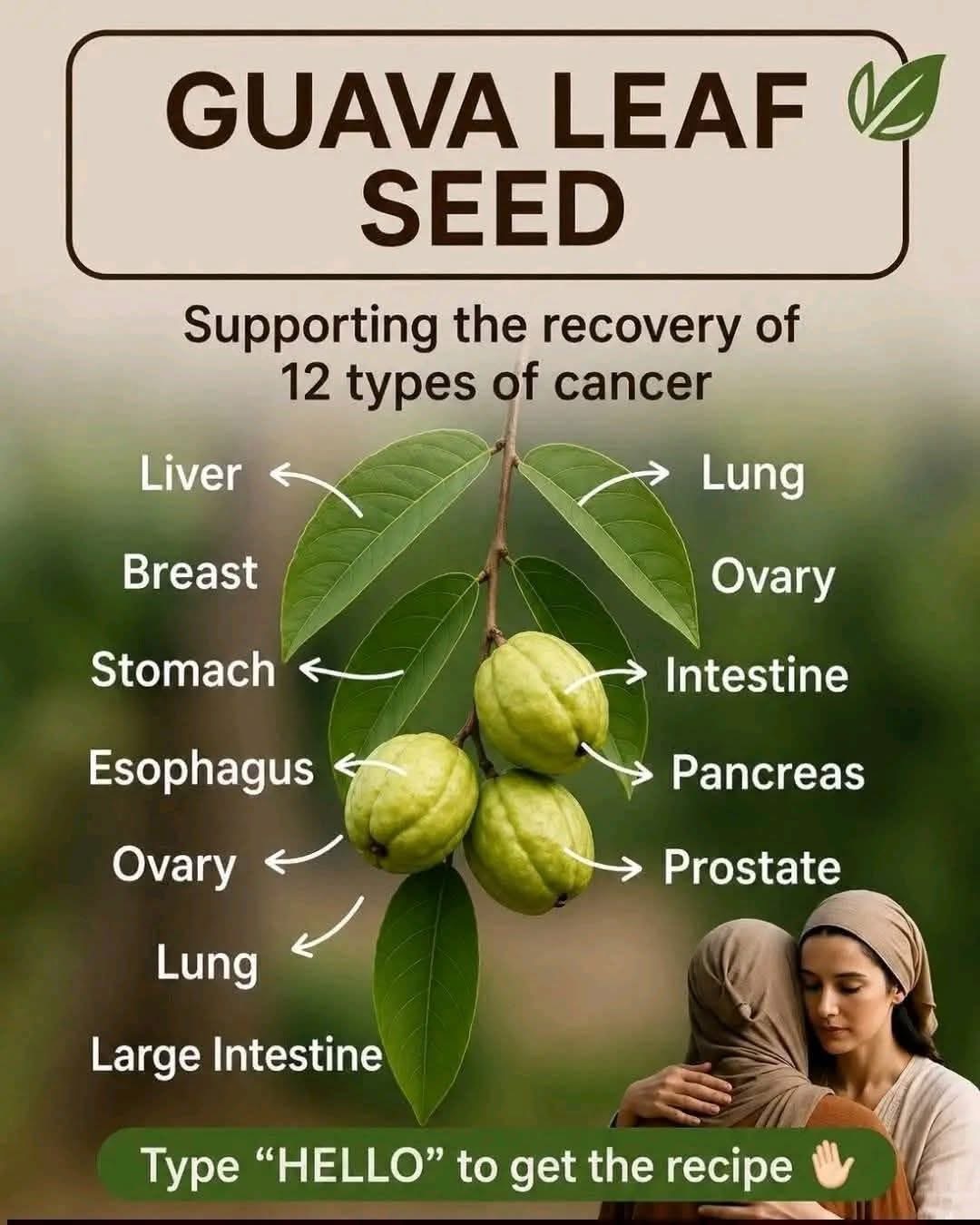
Although guava leaves and seeds are commonly used in traditional remedies, they should not be considered a cure for serious illnesses. Instead, they can be enjoyed as part of a balanced, health-conscious lifestyle.
Origin
Guava originated in tropical regions of Central America and parts of northern South America. Over centuries, the plant spread throughout:
Asia
Africa
The Caribbean
India
Southeast Asia
Today, guava is cultivated worldwide in warm climates for both culinary and traditional medicinal purposes.
Cultural Significance
In many cultures, guava leaves and fruits symbolize natural healing and nourishment.
In parts of Asia, guava leaf tea is traditionally consumed for digestion and general wellness.
In Latin America and the Caribbean, guava fruit is used in juices, desserts, jams, and herbal preparations.
In traditional folk practices, guava leaves are sometimes used in home remedies for stomach discomfort and immune support.
The plant remains an important part of tropical food traditions and natural wellness practices.
Ingredients Quantity
Main Ingredients
8–10 fresh guava leaves (washed thoroughly)
1 tablespoon guava seeds (optional)
3 cups water
1 teaspoon honey or natural sweetener (optional)
Optional Additions
1 slice fresh ginger
1 cinnamon stick
1 teaspoon lemon juice
Mint leaves for freshness
A small piece of turmeric root
These additions can enhance flavor and aroma while complementing the herbal profile of the tea.
Tips for Success
Use fresh, healthy green leaves for the best flavor.
Avoid overboiling the leaves, as excessive heat may create bitterness.
Wash leaves carefully to remove dirt or pesticide residue.
Drink in moderation as part of a balanced diet.
If pregnant, nursing, or taking medications, consult a healthcare professional before regular use.
Instructions
Step 1: Prepare the Leaves
Rinse the guava leaves thoroughly under clean water.
Step 2: Boil Water
Bring 3 cups of water to a gentle boil in a pot.
Step 3: Add Ingredients
Add the guava leaves and seeds to the boiling water.
Step 4: Simmer
Reduce heat and simmer for 10–15 minutes.
Step 5: Strain
Strain the liquid into a cup or teapot.
Step 6: Flavor (Optional)
Add honey, ginger, lemon, or cinnamon if desired.
Step 7: Serve
Serve warm and enjoy responsibly.
Description
This guava leaf and seed infusion has:
A mild earthy flavor
Slight herbal bitterness
A refreshing aroma
Light fruity undertones
The drink is soothing, naturally caffeine-free, and commonly enjoyed as a comforting herbal beverage.
Nutritional Information
Approximate values per serving:
Calories: 5–15
Vitamin C: Small amounts
Antioxidants: Naturally present
Caffeine: 0 mg
Sugar: Depends on sweetener added
Guava leaves contain beneficial plant compounds, though exact nutrient levels vary depending on preparation.
Conclusion
Guava leaves and seeds have long been appreciated in traditional wellness practices and herbal preparations. While scientific research continues to explore their properties, they are best viewed as a supportive herbal beverage rather than a medical treatment.
Enjoying guava tea alongside a nutritious diet, hydration, exercise, and professional healthcare can contribute to overall well-being.
Recommendation
For best enjoyment:
Drink 1 cup daily or occasionally as part of a healthy routine.
Pair with a balanced diet rich in fruits and vegetables.
Use fresh guava leaves whenever possible.
People with medical conditions or those undergoing treatment should seek medical guidance before using herbal remedies regularly.
Embracing Healthful Indulgence
Natural beverages like guava leaf tea offer a comforting way to connect with traditional plant-based wellness. Appreciating these herbal traditions while relying on evidence-based healthcare creates a balanced and mindful approach to health.
A warm cup of guava leaf infusion can be a simple, calming ritual that celebrates both nature and nourishment