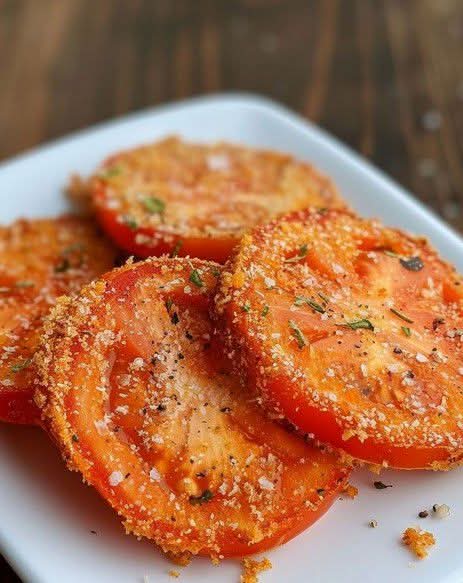
The Ultimate Guide to Parmesan Roasted Tomatoes: The Best Side Dish You Aren’t Making
In the world of side dishes, there is a constant struggle to find the balance between healthy, flavorful, and effortless. We often default to steamed vegetables or a basic salad, but every so often, a recipe comes along that transforms a humble ingredient into something spectacular. Enter the Parmesan Roasted Tomato.
If you have ever found yourself with a surplus of garden-fresh tomatoes or even a batch of mediocre grocery store beefsteaks, this method is your secret weapon. By combining the natural acidity of the tomato with the savory, umami-rich crust of Parmesan cheese and herbs, you create a dish that works as an appetizer, a side, or even a topping for grilled steaks and pasta.
In this 3,000-word masterclass, we will explore the science of roasting tomatoes, the importance of the “dry-brine” method, and provide a foolproof recipe designed for the modern WordPress foodie.
Table of Contents
- The Alchemy of the Roasted Tomato
- Selecting the Right Variety: From Heirloom to Roma
- The Essential Components: Cheese, Crumbs, and Herbs
- The Science of Moisture Management
- Step-by-Step Recipe: The Golden Parmesan Crust
- Troubleshooting: How to Avoid Sogginess
- Pairing Suggestions: What to Serve with Roasted Tomatoes
- The Health Benefits of Lycopene and Heat
- Storage and Reheating Tips
1. The Alchemy of the Roasted Tomato
Why does roasting change a tomato so fundamentally? It comes down to concentration. Raw tomatoes are approximately 94% water. While that makes them refreshing in a salad, it also dilutes their natural sugars and glutamates (the compounds responsible for savory flavor).
When you subject a tomato slice to high heat, two things happen:
- Evaporation: The water content reduces, leaving behind a concentrated, “jammy” flavor.
- Caramelization: The natural sugars in the tomato fruit begin to brown. When you add a Parmesan crust on top, you introduce the Maillard reaction—the chemical reaction between amino acids and reducing sugars that gives browned food its distinctive, addictive flavor.
2. Selecting the Right Variety
Not all tomatoes are created equal for roasting. The reference image showcases thick, sturdy slices, likely from a large round variety.
- Beefsteak Tomatoes: These are the kings of roasting. Their high flesh-to-seed ratio means they hold their shape under heat.
- Roma (Plum) Tomatoes: Excellent for roasting because they have lower water content. However, they are smaller, so you should slice them lengthwise rather than into rounds.
- Heirlooms: These offer the best flavor but can be very watery. If using Heirlooms, the “Moisture Management” step (Section 4) is mandatory.
- Campari or Vine-Ripened: Great for smaller, bite-sized appetizers.
3. The Essential Components
To achieve that perfect golden crust seen in the image, you need a specific blend of textures.
The Cheese: Fresh vs. Canned
Never use the “shaker” cheese in the green can for this. You need Parmigiano-Reggiano or a high-quality domestic Parmesan. The oils in real cheese melt and then crisp up, whereas the additives in pre-grated cheese can result in a chalky texture.
The Binder: Breadcrumbs
A mixture of Panko and fine breadcrumbs is ideal. Panko provides the crunch, while fine crumbs fill the gaps to ensure every millimeter of the tomato surface is covered.
The Fat: Extra Virgin Olive Oil
Oil is the heat conductor. Drizzling it over the crumbs ensures they fry rather than just dry out in the oven.
4. The Science of Moisture Management
The biggest complaint with roasted tomatoes is that they can turn into a “soup” on the baking sheet. To prevent this, professional chefs use a technique called sweating.
The Process:
- Slice your tomatoes to a 1/2-inch thickness.
- Lay them on a paper towel.
- Sprinkle a small amount of salt over the flesh.
- Wait 10 minutes. You will see beads of water forming on the surface.
- Pat them dry.
This simple 10-minute step removes the excess surface moisture that would otherwise prevent the Parmesan crust from sticking and crisping.
5. Step-by-Step Recipe: The Golden Parmesan Crust
Ingredients
- 4 large Beefsteak tomatoes
- 1/2 cup freshly grated Parmesan cheese
- 1/4 cup Panko breadcrumbs
- 1 tsp dried oregano or Italian seasoning
- 1/2 tsp garlic powder
- 1/4 tsp cracked black pepper
- 2 tbsp Extra Virgin Olive Oil
- Fresh thyme or parsley for garnish
Instructions
- Prep the Tomatoes: Preheat your oven to 425°F (220°C). Slice tomatoes into 1/2-inch rounds and perform the sweating technique described in Section 4.
- Mix the Topping: In a small bowl, combine the Parmesan, breadcrumbs, oregano, garlic powder, and pepper. Stir until well mixed.
- Oil the Base: Lightly grease a baking sheet or line it with parchment paper. Place the tomato slices on the sheet with at least an inch of space between them.
- The Layering: Press a generous tablespoon of the Parmesan mixture onto the top of each tomato slice. Use your fingers to gently press it down so it adheres to the tomato’s natural juices.
- The Drizzle: Carefully drizzle a few drops of olive oil over the topping of each slice.
- The Bake: Place in the center rack. Bake for 12–15 minutes.
- The Finish: Switch the oven to “Broil” for the last 60–90 seconds. Watch closely! You want the cheese to bubble and turn deep golden brown, but it can burn in a heartbeat.
- Garnish: Remove from the oven and sprinkle with fresh thyme leaves and a touch of sea salt.
6. Troubleshooting: Common Pitfalls
- Topping Slipped Off: This happens if the tomatoes weren’t patted dry or if they were moved too much before the cheese had a chance to melt and “lock” onto the fruit.
- Mushy Texture: The oven temperature was too low. High heat (425°F+) is necessary to crisp the top before the interior of the tomato completely collapses.
- Bland Flavor: Tomatoes need more salt than you think. Don’t be afraid to season the tomato itself before adding the cheesy topping.
7. Pairing Suggestions
These tomatoes are incredibly versatile.
- The Italian Feast: Serve alongside a classic Chicken Piccata or a creamy Carbonara.
- The Steakhouse Style: They are the perfect acidic foil to a rich, fatty Ribeye steak.
- The Vegetarian Main: Place two or three slices over a bed of quinoa or farro with a dollop of pesto.
- The Breakfast Hack: Serve with soft-scrambled eggs and avocado toast.
8. The Health Benefits: More Than Just Taste
While the cheese and breadcrumbs add calories, the tomato itself becomes a nutritional powerhouse when roasted.
Lycopene is a powerful antioxidant found in tomatoes. Research shows that the body absorbs lycopene significantly better when the tomatoes are cooked and consumed with a healthy fat (like olive oil). Roasting doesn’t just make them taste better; it makes the nutrients more bioavailable.
9. Storage and Reheating Tips
Roasted tomatoes are best eaten fresh out of the oven. However, if you have leftovers:
- Storage: Keep in an airtight container in the fridge for up to 2 days.
- Reheating: Avoid the microwave—it will make the crust soggy. Instead, place them back in a toaster oven or air fryer at 350°F for 3–5 minutes to regain that crunch.
Final Thoughts for Your WordPress Readers
The Parmesan Roasted Tomato is a lesson in simplicity. It proves that you don’t need a pantry full of exotic ingredients to create a “wow” moment at the dinner table. It’s about respecting the produce, managing the moisture, and knowing when to hit the broiler.
Whether you are hosting a formal dinner or just trying to use up the last of the summer harvest, this recipe is a reliable, crowd-pleasing addition to your repertoire. Get roasting!