The Southern Summer Icon: The Ultimate Heirloom Tomato Sandwich
To the uninitiated, the Tomato Sandwich seems almost too simple to be a culinary landmark. How can four or five ingredients—bread, mayonnaise, tomato, salt, and pepper—create a fervor that rivals the most complex French pastries or smoked briskets?
The answer lies in the fleeting nature of perfection. A true tomato sandwich isn’t just food; it’s a time and a place. It’s the peak of August, the smell of garden soil, and the visceral satisfaction of juice running down your forearms. It is a dish where there is nowhere for mediocre ingredients to hide. In this comprehensive guide, we will break down the architecture, the chemistry, and the regional politics of the perfect tomato sandwich.
Part I: The Holy Trinity of Ingredients
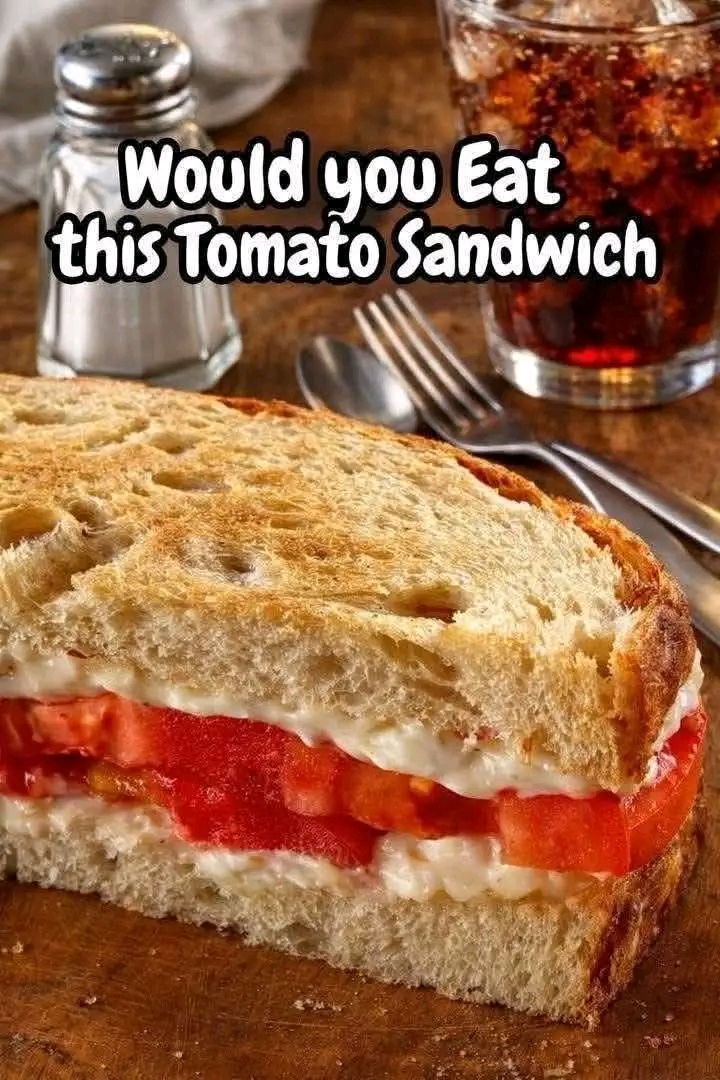
To achieve the sublime balance seen in the image, you must be a perfectionist about your sourcing.
1. The Tomato: The Star of the Show
Forget the “grocery store” tomato. Those pale, mealy, refrigerated spheres are the enemies of joy. For a sandwich that deserves its own blog post, you need an Heirloom Tomato.
- Varieties: Look for Cherokee Purple (for earthy sweetness), Brandywine (for classic beefsteak texture), or Mortgage Lifter (for sheer size).
- The Ripeness Factor: The tomato should feel heavy for its size and have a slight give when pressed. Most importantly, it should never have seen the inside of a refrigerator. Cold temperatures destroy the volatiles that give tomatoes their aroma and flavor.
- The Cut: Slices should be thick—at least half an inch. You want a “slab” of tomato, not a sliver.
2. The Bread: The Supporting Actor
In the photo, we see a beautifully toasted, artisanal sourdough or country loaf. However, there is a fierce debate in the culinary world:
- The Traditionalist View: Plain, white, “squishy” sandwich bread (like Wonder Bread or Duke’s style). The goal here is for the bread to eventually fuse with the mayonnaise and tomato juice into a singular, soft entity.
- The Modernist View: A lightly toasted, crusty sourdough. This provides a structural integrity and a fermented tang that complements the acidity of the tomato. Our Recommendation: Use a high-quality Pullman loaf or a mild sourdough, lightly toasted to prevent the “soggy bottom” syndrome while maintaining a soft interior.
3. The Mayonnaise: The Glue
In the South, this isn’t a choice—it’s a religion.
- Duke’s Mayonnaise: Known for its high egg yolk content and lack of added sugar, providing a tangy, savory punch.
- Hellmann’s (Best Foods): A classic, balanced choice with a slightly saltier profile.
- The Key: Whatever you use, apply it with a heavy hand. It acts as a waterproof barrier for the bread and provides the necessary fat to carry the tomato’s flavor.
Part II: The Preparation Ritual
Constructing this sandwich is an exercise in engineering.
1. The Pre-Salting Secret
Do not salt the sandwich; salt the tomato. Once you slice your tomatoes, lay them out on a paper towel and sprinkle them generously with sea salt or Kosher salt. Let them sit for 3 to 5 minutes.
- Why? This draws out excess moisture (preventing a soggy sandwich) and “wakes up” the cellular structure of the fruit, intensifying the flavor.
2. The Pepper Component
Use freshly cracked black pepper. The floral, spicy bite of a coarse grind provides the perfect counterpoint to the sugary sweetness of a sun-ripened tomato.
3. The Assembly Order
- Toast your bread to a light golden brown.
- Slather both slices of bread with a thick layer of mayo, edge to edge.
- Layer the tomatoes. Overlap them slightly so every bite has a double-thick layer of fruit.
- Top with one final crack of pepper and close the sandwich.
Part III: The Comprehensive Recipe
Ingredients
- 2 Slices of thick-cut sourdough or country white bread
- 1 Large Heirloom beefsteak tomato (at room temperature)
- 3 tbsp Duke’s or Hellmann’s Mayonnaise
- Flaky sea salt (Maldon is excellent here)
- Freshly cracked black pepper
- Optional: A few leaves of fresh basil or a drizzle of extra virgin olive oil
Instructions
- Slicing: Slice the tomato into thick rounds. Discard the “butt” ends (or eat them immediately over the sink).
- Seasoning: Place slices on a plate. Salt both sides. Let them weep for a few minutes.
- Toasting: Toast your bread. You want a “dry” toast—crunchy on the outside but still yielding.
- The Mayo Barrier: Apply the mayo to the warm bread. The warmth will slightly melt the mayo, allowing it to soak into the nooks and crannies of the sourdough.
- Construction: Place at least two layers of tomato on the bread.
- The Squish: Place the top slice on. Give the sandwich a gentle but firm press with the palm of your hand. This integrates the juices with the mayo.
- The Cut: Always cut on a diagonal. It’s a scientific fact that diagonal sandwiches taste better.
Part IV: Why This Sandwich Matters
In an age of “over-the-top” food—burgers with twenty toppings and gold-leaf pizzas—the Tomato Sandwich is a palate cleanser for the soul. It reminds us that ingredients are more important than techniques.
The chemistry is fascinating: the acidity of the tomato cuts through the heavy fat of the mayonnaise, while the starch of the bread provides a neutral canvas. When the salt hits the tomato juice, it creates a “nectar” that is arguably the most delicious liquid in the culinary world.
Part V: Troubleshooting and Pro-Tips
- The “Soggy” Factor: If you are packing this for lunch (though we recommend eating it immediately), put the mayo on both sides and place the tomatoes in a separate container. Assemble at the very last second.
- The Bread Choice: If your bread is too hard/crusty, it will squeeze the tomatoes out the sides when you bite down. Ensure your sourdough has a relatively soft crumb.
- Variations: While purists will scoff, a thin slice of sharp white cheddar or a leaf of bibb lettuce can add a nice textural contrast.
Final Verdict: Would You Eat It?
Looking at that cross-section—the vibrant red of the tomato, the creamy white of the mayo, and the golden-brown lattice of the sourdough—the answer is a resounding YES.
It is the taste of summer. It is a humble masterpiece. It is the proof that sometimes, the best things in life don’t need a recipe—they just need a garden and a toaster.
Ready to try it? Head to your local farmer’s market, find the ugliest, heaviest tomato you can see, and prepare to have your life changed. Happy eating!