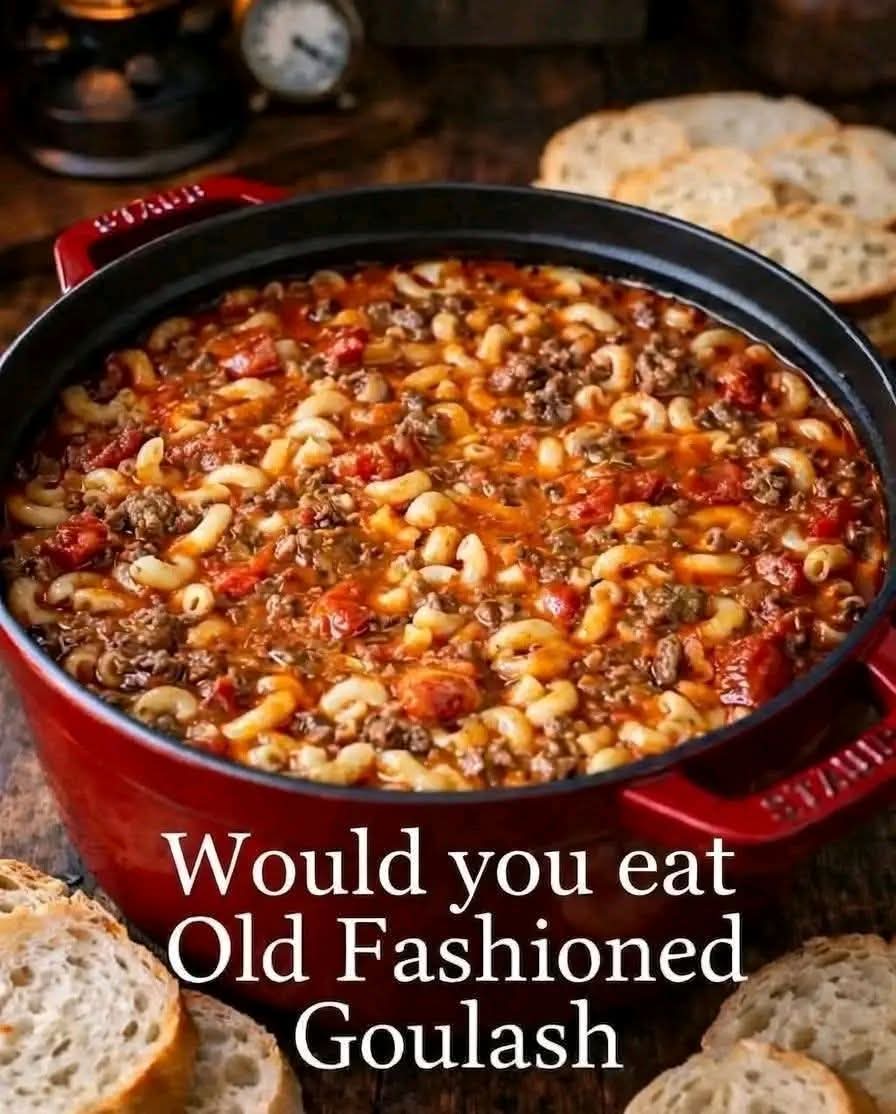
The Ultimate Guide to American Goulash: A Journey into Comfort Food
There are few dishes that evoke the feeling of a cozy kitchen and a bustling family dinner quite like Old Fashioned American Goulash. Often referred to as “Slumgullion” or “American Chop Suey,” this dish is a cornerstone of the mid-century culinary canon. It is the kind of meal that doesn’t demand a tuxedo or a fine wine pairing; it demands a sturdy spoon, a piece of crusty bread, and a hearty appetite.
While it shares a name with the famous Hungarian gulyás, the American version is its own distinct entity. Instead of a slow-simmered beef stew seasoned heavily with paprika, the American variety is a nostalgic “one-pot wonder” featuring ground beef, macaroni, and a rich, herb-infused tomato sauce. In this comprehensive guide, we will explore everything you need to know to master this classic, from its storied history to the technical nuances of the perfect simmer.
The Fascinating History of Goulash
To understand why we love this dish, we have to look back at its transformation.
The Hungarian Roots
The word “Goulash” comes from the Hungarian gulyás, meaning “herdsman.” In the 9th century, Hungarian shepherds would cook seasoned meat until the liquids were absorbed, then dry the remains in the sun to be stored in bags made of sheep’s stomachs. When it was time to eat, they simply added water to reconstitute the stew. By the 1800s, paprika—now the signature spice of Hungary—was added, turning the dish into a national treasure.
The American Migration
When Central European immigrants arrived in the United States in the late 19th and early 20th centuries, they brought their love for hearty beef stews with them. However, as is the case with many “immigrant” dishes, the recipe adapted to what was available and affordable in American grocery stores.
During the Great Depression and through World War II, ground beef became more accessible than stewing chunks, and elbow macaroni became a shelf-stable pantry staple. By the 1950s, American Goulash had evolved into the tomato-heavy, pasta-filled delight we see in the image above. It became a “school cafeteria” and “busy mom” favorite because it was cheap, filling, and required only one pot to clean.
Ingredients: The Anatomy of Flavor
To achieve a depth of flavor that transcends a simple meat sauce, you need the right building blocks.
The Protein Base
- 2 lbs Ground Beef: For the best flavor, use an 80/20 or 85/15 lean-to-fat ratio. The fat provides the moisture and carries the flavor of the spices.
- Optional – Ground Pork: Some lovers of the dish prefer a 50/50 mix of beef and pork for a softer texture and extra richness.
The Aromatics & Vegetables
- 2 Large Yellow Onions: Finely diced. These provide the sweetness that balances the acidity of the tomatoes.
- 1 Large Green Bell Pepper: Diced. This adds a subtle bitterness and a crunch that is classic to the American style.
- 4-6 Cloves of Garlic: Freshly minced. Avoid the pre-minced jarred variety for a sharper, cleaner taste.
The Liquid Gold (Sauce)
- 2 cans (15 oz each) Tomato Sauce: This forms the smooth base.
- 2 cans (14.5 oz each) Diced Tomatoes: Fire-roasted tomatoes add an extra layer of smokiness.
- 3 cups Beef Broth: Low-sodium is preferred so you can control the salt levels.
- 2 tbsp Worcestershire Sauce: The “secret” ingredient for deep umami.
The Starches & Spices
- 2 cups Elbow Macaroni: Uncooked. (Do not pre-boil your pasta; it should cook in the sauce to absorb all that beefy flavor!)
- 3 tbsp Italian Seasoning: A blend of oregano, basil, and rosemary.
- 2 tsp Smoked Paprika: A nod to the Hungarian original.
- 2 Bay Leaves: To be removed before serving.
- Salt & Black Pepper: To taste.
Formation and Preparation Methods
The secret to a world-class Goulash isn’t just the ingredients; it’s the method of formation.
Step 1: The Maillard Reaction
In a large Dutch oven or heavy-bottomed pot, brown the ground beef over medium-high heat. Do not rush this. Let the meat sit for a minute or two to develop a brown crust. This “Maillard reaction” creates complex flavors that a grey, boiled meat simply cannot provide. Once browned, drain the excess fat, leaving about a tablespoon for sautéing the vegetables.
Step 2: Sweat the Aromatics
Add your onions and bell peppers to the pot with the beef. Sauté until the onions are translucent and the peppers are soft. Add the garlic only in the last 60 seconds of this process to ensure it doesn’t burn and turn bitter.
Step 3: Layering the Liquids
Stir in the tomato sauce, diced tomatoes, beef broth, and Worcestershire sauce. Scrape the bottom of the pot with a wooden spoon—this is called deglazing. Those little brown bits (the fond) stuck to the bottom are concentrated flavor.
Step 4: The Simmer
Add your dry seasonings. Cover the pot and let the sauce simmer on low for at least 20 minutes before adding the pasta. This allows the tomatoes to break down and the spices to marry.
Step 5: The Pasta Infusion
Pour the dry elbow macaroni directly into the simmering sauce. Stir frequently to ensure the pasta doesn’t stick to the bottom. Cooking the pasta in the sauce is the “Pro Method.” As the macaroni hydrates, it releases starches that naturally thicken the sauce into a rich, velvety consistency.
Nutrition and Health Benefits
While Goulash is considered a heavy comfort food, it actually packs a significant nutritional punch:
| Nutrient | Benefit |
|---|---|
| Lycopene | Found in cooked tomatoes; a powerful antioxidant linked to heart health. |
| Iron & Zinc | Provided by the beef, essential for immune function and energy levels. |
| Potassium | High levels found in the tomato base and onions. |
| Satiety | The high protein and fiber content help you stay full longer. |
Who Are the “Goulash Lovers”?
This dish caters to several distinct groups:
- The Budget-Conscious: You can feed a family of six for under $20 with this recipe.
- The Busy Professional: Since it’s a one-pot meal, the cleanup is minimal, making it perfect for a Tuesday night.
- The Nostalgic: It’s a “taste of childhood” for those who grew up in the 70s and 80s.
- The Outdoorsman: It is a legendary camping meal because it can be cooked easily over a fire in a single cast-iron pot.
Conclusion: The Final Stir
Old Fashioned Goulash is more than just a mix of meat and pasta; it is a cultural artifact that proves American cuisine is a beautiful, messy melting pot. It’s a forgiving recipe—you can add more spice, throw in some corn, or top it with a handful of sharp cheddar cheese.
The goal is a bowl that is steaming hot, slightly sweet, deeply savory, and incredibly satisfying. When you serve this with a side of buttered bread to mop up the remaining sauce, you aren’t just serving dinner—you’re serving a tradition that has warmed hearts for generations.
Chef’s Tip for WordPress Users: If you find the sauce is too thick after the pasta cooks, splash in an extra half-cup of beef broth. If you like it “cheesy,” stir in two cups of shredded cheddar right before serving until melted. Enjoy!