The Brussels Sprout Renaissance: From Kitchen Outcast to Culinary Crown Jewel
There was a time, not too long ago, when the mere mention of a Brussels sprout would cause children to shudder and adults to recall gray, sulfurous mush served in school cafeterias. They were the vegetable world’s greatest public relations disaster. But look at them now. Today, the Brussels sprout is the darling of the gastropub, the star of the holiday table, and a symbol of how proper technique can transform the humble into the extraordinary.
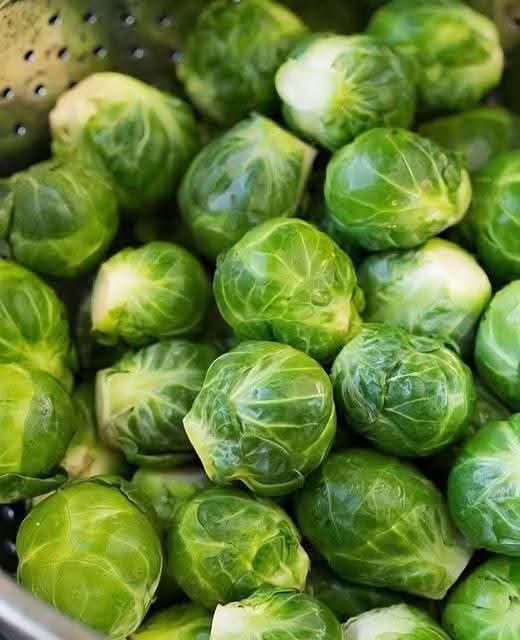
The vibrant, emerald-green globes shown in the image above are a testament to freshness and potential. When handled with respect, these “miniature cabbages” offer a complex flavor profile that ranges from nutty and sweet to earthy and robust. In this definitive guide, we will explore the history, science, nutrition, and masterful methods required to execute the perfect Brussels sprout dish.
The Roots of the Sprout: A Botanical History
While they look like tiny cabbages, Brussels sprouts (Brassica oleracea var. gemmifera) have a distinct history that sets them apart from their larger cousins.
Ancient Origins and European Development
The ancestors of the modern sprout are believed to have been cultivated in Ancient Rome, but the vegetable as we recognize it today gained its name and fame in 13th-century Belgium. Specifically, they were grown in large quantities around the city of Brussels, which remains their namesake to this day.
The French and American Journey
They traveled to France in the late 1700s and were eventually introduced to the United States by French settlers in Louisiana. However, it wasn’t until the early 20th century that they became a significant commercial crop in California, where the coastal fog and cool temperatures mimic the North Sea climate they love so much.
The Great Flavor Revolution
In the 1990s, the Brussels sprout underwent a literal genetic makeover. Dutch scientists identified the specific chemicals (glucosinolates) responsible for the bitter taste that many people found offensive. Through selective breeding (not GMO), they developed new varieties that were naturally sweeter and nuttier. This scientific breakthrough paved the way for the “Sprout Renaissance” we are currently enjoying.
Nutritional Powerhouse: Why Your Body Loves Them
Brussels sprouts aren’t just trendy; they are arguably one of the most nutrient-dense foods on the planet.
| Nutrient | Benefit |
|---|---|
| Vitamin K | A single cup provides over 150% of your daily needs; essential for bone health and blood clotting. |
| Vitamin C | Higher per gram than many citrus fruits; supports immune function and collagen production. |
| Fiber | Promotes digestive health and feeds beneficial gut bacteria. |
| ALA Omega-3s | One of the best plant-based sources of fatty acids for heart and brain health. |
| Antioxidants | Contains kaempferol, an antioxidant that may reduce cancer cell growth and ease inflammation. |
Ingredients: The Flavor Profile Enhancers
To cook the sprouts shown in your image, you need ingredients that balance their natural earthiness with fat, acid, and salt.
The Foundation
- 2 lbs Fresh Brussels Sprouts: Look for bright green, tightly packed heads. Avoid any with yellowing leaves or black spots.
- 4 tbsp Extra Virgin Olive Oil or Avocado Oil: Essential for high-heat roasting.
- 1 tsp Sea Salt & 1/2 tsp Cracked Black Pepper.
The “Gastropub” Upgrades
- Aromatics: 4 cloves of smashed garlic and 1 finely sliced shallot.
- Fat: 4 strips of thick-cut pancetta or bacon (diced).
- Acid: 2 tbsp Balsamic glaze or a squeeze of fresh lemon juice.
- Sweetness: 1 tbsp Maple syrup or honey.
- Texture: 1/4 cup toasted walnuts or pine nuts and a dusting of Pecorino Romano cheese.
Master Methods: How to Form the Perfect Sprout
The “method of formation” is what separates a soggy sprout from a crispy masterpiece.
Preparation: The Cleaning Ritual
- Trim: Cut off the tough woody stem at the bottom.
- Halve: Slice them from top to bottom through the stem. This creates a flat surface area that will caramelize against the pan.
- Loose Leaves: Don’t throw away the leaves that fall off! These become “sprout chips” in the oven—the crispiest, most delicious part of the dish.
Method 1: The High-Heat Roast (The Gold Standard)
This is the best way to achieve the “charred” look seen in professional kitchens.
- The Pan: Preheat your baking sheet inside the oven at 425°F (220°C).
- The Coat: Toss the halved sprouts in a bowl with oil, salt, and pepper until every nook and cranny is glistening.
- The Sear: Place the sprouts cut-side down on the preheated sheet. You should hear a sizzle.
- The Bake: Roast for 20–25 minutes. Do not move them! The flat side needs constant contact with the heat to develop the deep brown, sweet crust known as the Maillard reaction.
Method 2: The Pan-Sear (The Speed Method)
Best for when you want a “stovetop” finish.
- Use a cast-iron skillet. Render your bacon or pancetta first, then remove the meat but keep the fat.
- Place sprouts in the hot fat, cut-side down, for 5–7 minutes until charred.
- Add a splash of broth or water and cover with a lid for 2 minutes to steam the centers to tenderness.
- Remove the lid, add back the bacon, and toss with balsamic glaze.
Who Are the Sprout Lovers?
- The Health-Conscious: Those who treat food as medicine and appreciate the high antioxidant load.
- The Culinary Adventurers: Foodies who enjoy the bitter-sweet-salty-sour balance that a well-dressed sprout provides.
- The Seasonal Cooks: Those who recognize that sprouts are at their absolute peak after the first frost, which converts their starches into sugars.
Conclusion: Embracing the Green
The Brussels sprout has completed its journey from the “most hated vegetable” to a culinary icon. It is a versatile, resilient, and incredibly healthy ingredient that deserves a permanent spot in your kitchen rotation. By focusing on high-heat methods and balancing the flavors with fats and acids, you can turn these little green globes into the most anticipated part of any meal.
Whether you are roasting them for a simple weeknight dinner or dressing them up with pomegranate seeds and walnuts for a holiday feast, the humble sprout is proof that with the right technique, everything old can be made new—and delicious—again.
WordPress Tip: If you’re writing for a vegan audience, replace the bacon with smoked paprika and a splash of soy sauce to maintain that smoky “umami” depth without the meat!