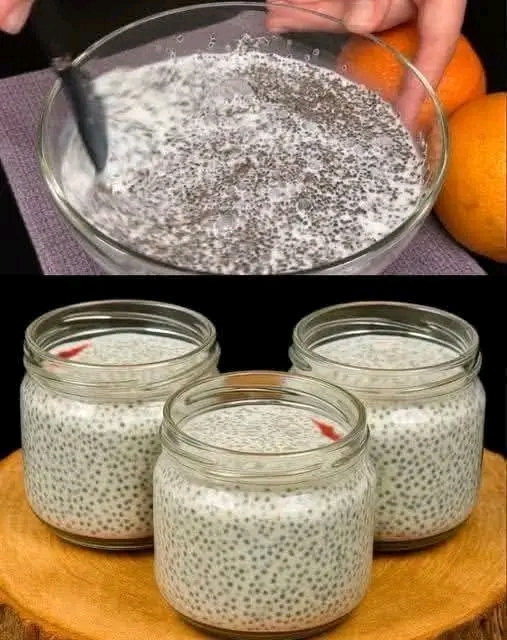
The Ultimate Guide to Perfect Chia Pudding: Everything You Need to Know
Chia pudding has secured its place in the modern pantry as the quintessential “prep-and-go” breakfast. Whether you are looking for a nutrient-dense start to your workday, a healthy post-workout snack, or a refined, guilt-free dessert, chia pudding is the chameleon of the culinary world.
But while the concept is simple—chia seeds plus liquid—the execution is where the magic happens. Many people attempt this dish, end up with a clumpy mess or a watery, unappetizing bowl, and give up. The truth is that mastering chia pudding is less about “cooking” and more about understanding the hydration science behind the seed.
In this comprehensive guide, we will explore everything you need to know to create the perfect chia pudding every time, customize it to your heart’s content, and troubleshoot the most common pitfalls.
The Science of the Seed: Why Chia Pudding Works
Before we jump into the kitchen, it is helpful to understand the star of the show: the chia seed (Salvia hispanica). These tiny, power-packed seeds have a unique property: they are hydrophilic. This means they attract and absorb water. When submerged in liquid, chia seeds can absorb up to 12 times their weight, creating a gelatinous outer layer.
This transformation is what creates the pudding-like texture without the need for cooking, thickening agents, or eggs. Beyond the texture, chia seeds are nutritional powerhouses, packed with:
- Omega-3 Fatty Acids: Essential for heart and brain health.
- Fiber: Promoting digestive health and providing long-lasting satiety.
- Protein: A great plant-based source for muscle repair and maintenance.
- Antioxidants: Helping to combat oxidative stress.
By making chia pudding, you are essentially creating a slow-digesting fuel source that keeps your blood sugar stable and your stomach satisfied for hours.
The Golden Ratio: Your Master Blueprint
The number one reason for failed chia pudding is the ratio of seeds to liquid. If you use too few seeds, you get a watery soup. If you use too many, you get a dry, brick-like substance that is hard to swallow.
The Golden Ratio for a perfect, scoopable pudding is 1:4.
For every 1/4 cup of chia seeds, use 1 cup of liquid.
This ratio provides a soft, creamy set that isn’t too firm. If you prefer a thinner consistency, you can adjust to 1:5. If you like a very thick, almost mousse-like pudding, you can go as high as 1:3.5.
The Master Recipe
This is your baseline. Once you master this foundation, you can branch out into endless flavor variations.
Ingredients
- 1/4 cup chia seeds: Either black or white seeds work perfectly. White seeds are essentially invisible if you are making a vanilla or light-colored pudding, while black seeds are the standard.
- 1 cup dairy or non-dairy milk: Almond, oat, coconut, soy, or dairy milk are all excellent choices.
- 1 teaspoon pure vanilla extract: This is non-negotiable for flavor depth.
- 1 to 2 tablespoons sweetener: Maple syrup, honey, agave, or a sugar-free alternative like monk fruit.
- A pinch of sea salt: Do not skip this. Salt brings out the sweetness and prevents the pudding from tasting “flat.”
Instructions
- Combine: In a medium bowl or a mason jar, add the milk, sweetener, vanilla extract, and sea salt. Whisk vigorously to combine the sweetener and flavorings into the liquid.
- Add Seeds: Add the chia seeds to the liquid.
- The First Stir: This is the most critical step. Stir well with a whisk or a fork. You want to ensure the seeds are evenly distributed and not clumped at the bottom.
- The Rest: Let the mixture sit on the counter for 10 to 15 minutes. This allows the seeds to begin their hydration process.
- The Second Stir: Return to the mixture and stir again. You will likely see clumps of seeds forming. Break these up with your whisk. This second stir prevents the dreaded “clump at the bottom” phenomenon.
- Chill: Cover and place in the refrigerator. Chia pudding needs at least 2 hours to fully set, but it is best left overnight. This allows the fibers to fully expand and the flavors to meld.
- Serve: Give it one final fluff with a spoon before serving, and add your toppings.
Customizing Your Pudding: Flavor Profiles
Once you have mastered the master recipe, you can turn your kitchen into a flavor laboratory. Here are some of our favorite combinations that change the profile completely.
1. The Chocolate Decadence
For a dessert-like experience, add 1 tablespoon of high-quality unsweetened cocoa powder or Dutch-processed cocoa to the liquid phase before adding the seeds. If you really want to lean into the richness, use canned coconut milk as your liquid base for a “truffle” texture. Top with cacao nibs or fresh raspberries to cut the intensity.
2. The Tropical Escape
Substitute half of your milk with full-fat canned coconut milk (the kind used for curries, not the carton beverage type). This adds a luxurious, creamy mouthfeel. Add a dash of lime zest to the mix. Top with toasted coconut flakes, fresh mango cubes, and a squeeze of lime juice.
3. The Lemon Poppy Seed “Muffin”
Whisk 1 tablespoon of fresh lemon juice and 1/2 teaspoon of lemon zest into your liquid base. Add 1/2 teaspoon of poppy seeds along with the chia seeds. This mimics the flavor of a bakery-style lemon muffin. It is bright, refreshing, and perfect for spring.
4. The Peanut Butter & Jelly
Whisk 1 tablespoon of creamy natural peanut butter into your warm milk (or slightly warm it in the microwave to help the PB dissolve). Proceed with the master recipe. When serving, layer with a spoonful of high-quality strawberry or grape jam. It tastes exactly like a childhood lunchbox favorite, but with a grown-up nutritional profile.
Troubleshooting: When Things Go Wrong
Even the simplest recipes can have hiccups. Here is how to handle the most common chia pudding issues.
“My pudding is clumpy.”
This is almost always due to skipping the “Second Stir.” Chia seeds are eager to group together the moment they hit liquid. If you don’t break those clumps up within the first 15 minutes, they will set into hard, gelatinous balls.
- The Fix: If you realize too late that your pudding is lumpy, add a splash more milk and stir vigorously. It might take a bit of effort, but you can usually break them up even after an hour in the fridge.
“My pudding is too thick/too thin.”
Chia seeds vary slightly in their absorbency based on the brand and how long they have been sitting in your pantry.
- Too Thick: Just add a tablespoon of milk at a time until you reach your desired consistency.
- Too Thin: Stir in an extra teaspoon of chia seeds and let it sit for another 30 minutes.
“It tastes bland.”
We cannot stress this enough: the pinch of salt is vital. If your pudding tastes like nothing, add a tiny pinch of salt and a drizzle of sweetener. Also, consider the fat content of your milk. If you are using skim milk or water, the pudding will lack richness. Try switching to oat or cashew milk for a creamier mouthfeel.
The Art of Toppings: Texture and Contrast
A bowl of chia pudding is essentially a uniform texture. To make it a culinary experience, you need to add contrast. Think about crunch, acidity, and color.
- For Crunch: Granola, toasted nuts (almonds, walnuts, pecans), seeds (pumpkin, sunflower), or cacao nibs.
- For Acidity: Fresh berries (blueberries, raspberries, strawberries) are the classic pairing. In the winter, try stewed apples or pears with cinnamon.
- For Color and Freshness: Fresh mint leaves, pomegranate arils, or a dust of cinnamon or nutmeg.
- For Extra Creaminess: A dollop of Greek yogurt or whipped coconut cream on top takes the dish from “snack” to “brunch centerpiece.”
Meal Prep and Storage: The Convenience Factor
One of the greatest benefits of chia pudding is its longevity. This is the ultimate meal-prep breakfast.
- Storage: Store your pudding in airtight glass jars (mason jars are perfect). Because you are essentially making a cold gel, it holds up exceptionally well.
- Shelf Life: Chia pudding will stay fresh in the refrigerator for up to 5 days. It is often actually better on day 2 or 3, as the seeds have had maximum time to hydrate and the flavors have matured.
- Travel: Chia pudding is a dream for commuters. Because it is thick and contained in a jar, it won’t spill in your bag. It is stable at room temperature for a couple of hours, so it is safe to bring to work and keep in the office fridge.
- Can you freeze it? While technically possible, it is not recommended. The process of freezing and thawing changes the structure of the gel, often resulting in a watery, separated mess once thawed. It is better to make it fresh in smaller batches.
Frequently Asked Questions
Is chia pudding safe for everyone?
Generally, yes. However, because chia seeds are so high in fiber, if you are not used to eating them, start with a smaller portion (1-2 tablespoons of seeds) to let your digestive system adjust. Also, ensure you drink plenty of water throughout the day, as the fiber needs hydration to move smoothly through your system.
Do I have to use milk? Can I use water?
You can use water, but it will result in a very neutral, almost bland flavor profile. If you choose to use water, you will definitely need to compensate with more sweetener, vanilla, and perhaps a splash of coconut cream to make it palatable. We highly recommend using a nut or oat milk for the best flavor.
My seeds get stuck in my teeth. Is there a way around this?
This is a common complaint! If the texture of whole seeds bothers you, you can grind your chia seeds in a coffee grinder or high-speed blender before adding them to the liquid. This will create a completely smooth, uniform pudding without the “popping” texture of the whole seeds.
Why do some recipes suggest blending the pudding?
Blending the pudding creates a texture that mimics a thick custard or mousse. If you don’t like the “tapioca-like” texture of whole soaked seeds, blending is the perfect solution. Simply combine all ingredients in a blender and process until smooth. It will set exactly the same way, but the resulting pudding will be creamy and uniform.
Is chia pudding a complete breakfast?
It is a great start, but depending on your caloric needs, it might be light. Chia pudding is high in fiber and healthy fats, but it can be lower in protein unless you use soy milk or add a scoop of protein powder. To make it a more substantial meal, consider stirring in a scoop of collagen peptides or protein powder, or serving it alongside a boiled egg or a piece of fruit.
Conclusion: Making It Your Own
There is a reason chia pudding has remained a staple in health-conscious kitchens for years. It is versatile, nutrient-dense, and practically foolproof once you understand the basic ratios. Whether you keep it simple with just vanilla and maple syrup, or you go wild with fruit compotes, nut butters, and chocolate, you are creating a meal that respects your time and your health.
The best recipe is the one that fits your morning routine. Don’t be afraid to experiment with different plant-based milks, try new sweeteners, or add spices like cardamom or ginger to see where they take you. Now that you have the knowledge, the ratio, and the variations, it is time to grab your jars, your milk of choice, and a bag of chia seeds. Your perfect breakfast is just a simple stir away. Happy prepping!