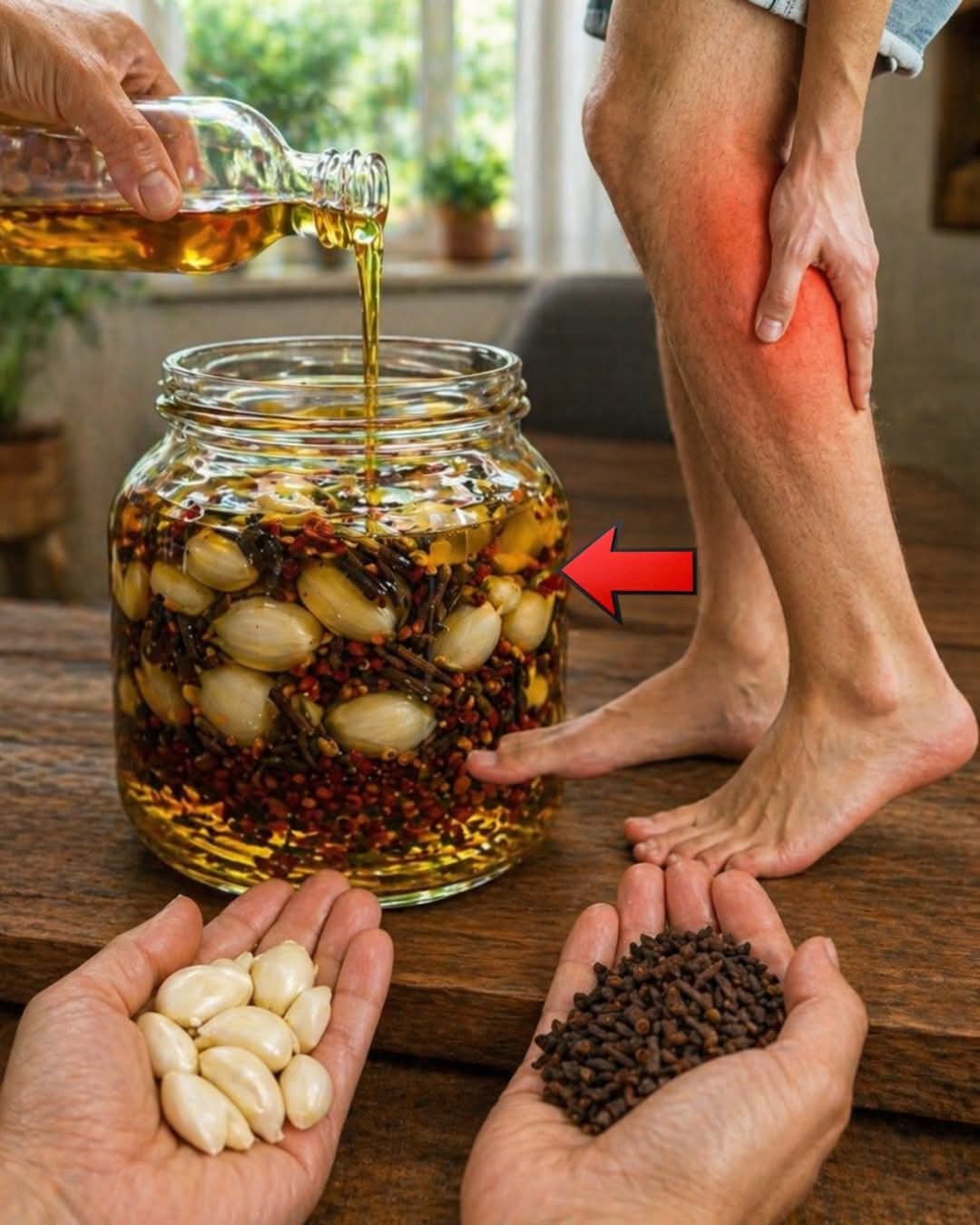
The Art of Herbal Infusion: A Comprehensive Guide to Garlic and Clove Massage Oil
In an era where we are increasingly looking back to traditional wisdom and natural, kitchen-based remedies to support our wellness routines, few things are as satisfying as creating your own herbal-infused oils. Whether you are interested in the practice of massage therapy, the soothing benefits of aromatics, or simply want to explore the historical significance of botanical preparations, creating a garlic and clove oil infusion is a project steeped in tradition.
In this guide, we will walk through the science, the safety protocols, and the step-by-step preparation of a herbal-infused oil.
⚠️ IMPORTANT SAFETY DISCLAIMER
Before you begin, please read this carefully: The creation of garlic-infused oil carries specific safety risks. Raw garlic is a low-acid vegetable. When placed in oil and stored at room temperature, it creates an anaerobic (oxygen-free) environment, which is the perfect breeding ground for Clostridium botulinum—the bacteria that produces the toxin causing botulism.
- Do not store this oil in a pantry at room temperature long-term. * Keep your final product in the refrigerator.
- Use the oil within a few days to a week.
- Discard immediately if you notice any signs of spoilage or off-odors.
- This oil is for external use/massage only. It is not for consumption or internal use.
- Always perform a patch test on a small area of skin before full-body application to check for allergic reactions or skin sensitivity.
- Medical Disclaimer: This article is for educational purposes only. It is not a substitute for professional medical advice, diagnosis, or treatment. The image provided shows a person experiencing physical discomfort; if you have pain, swelling, or redness, you should see a doctor. Natural oils cannot replace medical care for injury, chronic pain, or systemic illness.
Understanding the Ingredients
To understand why traditional herbalism combines garlic, cloves, and oil, we must look at the properties of each component.
1. Garlic (Allium sativum)
Garlic is perhaps the most famous herb in the world. Historically, it has been used in folk medicine for centuries. When crushed or chopped, garlic releases allicin, a sulfur-containing compound known for its pungent aroma. In topical applications, it has historically been used in massage traditions because of its warming nature and its status as a potent botanical agent.
2. Cloves (Syzygium aromaticum)
Cloves are the dried flower buds of a tree in the family Myrtaceae. They are highly prized in aromatherapy and traditional practices for their warming, spicy, and woody scent. Cloves contain eugenol, a compound that gives them their distinct aroma. In massage oils, cloves are often used to create a “heating” sensation, which is why they are popular in topical preparations for muscle-soothing routines.
3. The Carrier Oil
The oil is the “carrier” or the vehicle. Its job is to extract the fat-soluble compounds from the garlic and cloves and hold them in a stable form. Olive oil is the most common choice due to its high stability, antioxidant content (vitamin E), and skin-nourishing properties. However, you can also use jojoba oil (which mimics human sebum), sweet almond oil, or grapeseed oil.
The Preparation: A Step-by-Step Guide
There are two primary methods for infusing oils: the “cold infusion” method (which takes weeks) and the “warm infusion” method (which takes hours). For this guide, we will focus on the warm infusion method, as it is efficient and allows for quicker utilization.
Equipment You Will Need
- A sterilized glass jar: Ensure it is completely dry. Any water left in the jar will introduce bacteria and shorten the shelf life of your oil.
- High-quality oil: Extra virgin olive oil is recommended.
- Fresh Garlic: Peeled and slightly crushed (to release the oils).
- Whole Cloves: Ensure they are fresh; you want the aroma to be potent.
- A double boiler (or a saucepan and a heat-safe bowl): Never apply direct, high heat to your oil.
- A fine-mesh strainer or cheesecloth.
- A dark glass storage bottle: Light degrades oil, so dark glass is essential for preservation.
Step 1: Sanitation (The Most Important Step)
Sanitize your glass jar and all utensils by running them through a dishwasher on a hot cycle or boiling them for 10 minutes. Dry them thoroughly. If you are worried about moisture, wipe the inside of the jar with a clean paper towel dampened with high-proof alcohol (like vodka).
Step 2: Preparing the Botanicals
Take your garlic cloves and lightly crush them with the flat side of a knife. You do not need to mince them into a paste; you want large pieces that can be easily strained out later. Place the garlic and the whole cloves into the jar. A common ratio is 1/2 cup of garlic and 2 tablespoons of cloves to 2 cups of oil.
Step 3: The Infusion Process
- Pour your chosen oil over the garlic and cloves until they are completely submerged.
- Set up your double boiler: Place a saucepan of water on the stove and bring it to a very low simmer. Place your heat-safe bowl or jar (if heat-safe) over the water.
- Let the mixture heat gently for 1 to 2 hours. The oil should be warm, not bubbling, and never boiling. You are looking to gently coax the essence out of the botanicals.
- Remove from heat and let it cool completely.
Step 4: Straining and Bottling
Once the oil has cooled to room temperature, strain the mixture through a cheesecloth into your dark glass storage bottle. Squeeze the cheesecloth to get every last drop of the infused oil out of the garlic and cloves. Discard the garlic and cloves (do not eat them; they have been sitting in oil and are a food safety risk).
Step 5: Storage
Seal the bottle tightly. Store immediately in the refrigerator. Do not leave it on your bathroom counter.
How to Properly Use Your Infused Oil
Once your oil is prepared and stored safely in the fridge, it can be used for occasional massage.
- Warm it up: Because it is kept in the fridge, the oil will be cold. Pour a small amount into a small bowl and let it sit in a larger bowl of warm water for a few minutes. Never microwave the oil directly.
- Application: Apply the oil to the desired area (the legs, back, or shoulders).
- Massage: Use long, sweeping strokes. The warming sensation of the cloves combined with the tactile stimulation of massage can help promote a sense of relaxation.
- Cleaning: Because this oil contains garlic, it will smell. If you are going out, you may want to wash the area with mild soap after your massage session is complete.
Frequently Asked Questions
Can I add other ingredients?
Yes. Many people add dried rosemary or dried lavender to their infusions. However, note that adding dried herbs is generally safer than adding fresh herbs because fresh herbs contain water, which accelerates spoilage.
Why does the oil smell so strong?
Garlic and cloves are incredibly aromatic. The infusion process extracts the volatile oils responsible for this scent. If you find the smell too overwhelming, you can dilute the mixture with more plain carrier oil.
How long does this last?
Even with refrigeration, this is a perishable item. Treat it like fresh food. If it lasts longer than 1-2 weeks, it is better to discard it and make a fresh, smaller batch. Never keep it if it smells “off” or “rancid.”
Is this better than store-bought oils?
Store-bought oils often use essential oils (distilled extracts) rather than whole-herb infusions. Essential oils are much more potent and regulated for safety. Infusing whole herbs is a traditional, artisanal process that offers a different, more subtle experience. It is a hobby, not necessarily a replacement for professional therapeutic products.
The Philosophy of Traditional Wellness
Embarking on the journey of creating your own herbal oils is about more than the product itself; it is about reclaiming the connection between the ingredients in our kitchen and our daily self-care rituals. While modern science provides us with efficient, stable, and tested products, the tradition of herbal infusion connects us to a past where medicine was found in the garden and the pantry.
By taking the time to carefully prep, infuse, and strain your own oils, you are engaging in a mindful practice. It forces you to slow down. The process of chopping garlic, measuring cloves, and watching the oil gently warm on the stove is an exercise in patience—a rarity in our digital, fast-paced lives.
A Note on Localized Pain
If the image accompanying your request implies that you are dealing with leg pain, it is vital to remember that pain is the body’s signal that something is wrong.
- Acute Pain: If you have just injured yourself, apply ice and rest.
- Chronic Pain: If you have been struggling with recurring pain, this oil is a nice ritual, but it will not fix a structural issue, a circulatory issue, or a nerve issue.
- The Bottom Line: Use this oil to pamper yourself after a long day of standing or walking, but do not rely on it to “heal” deep-seated medical issues.
Conclusion: Crafting Your Ritual
Creating garlic and clove infused oil is a rewarding project for anyone interested in the intersection of traditional culinary ingredients and self-care. It teaches us about the potency of nature and the importance of safety and sterilization.
Remember, the goal of this preparation is to facilitate a soothing massage ritual. If you focus on the quality of your ingredients, maintain strict hygiene, and keep your finished product refrigerated, you can enjoy a unique, aromatic, and warming oil that adds a touch of traditional luxury to your home wellness routine.
As you move forward with your DIY projects, continue to research, stay curious, and always prioritize your health and safety above all else. Happy infusing!
Are you interested in learning more about other herbal infusions, perhaps using different carrier oils or dried herbs that might have a longer shelf life? Let me know, and we can explore the world of shelf-stable herbal balms next.