The Alchemy of the Jar: The Ultimate Guide to Lacto-Fermentation and the Art of the “Rainbow Pickle”
In an age of instant gratification, high-speed internet, and 30-minute grocery deliveries, there is something profoundly rebellious about a glass jar sitting quietly on a kitchen counter for two weeks. This is the world of lacto-fermentation—a culinary tradition that spans millennia, bridges cultures, and transforms humble vegetables into probiotic powerhouses.
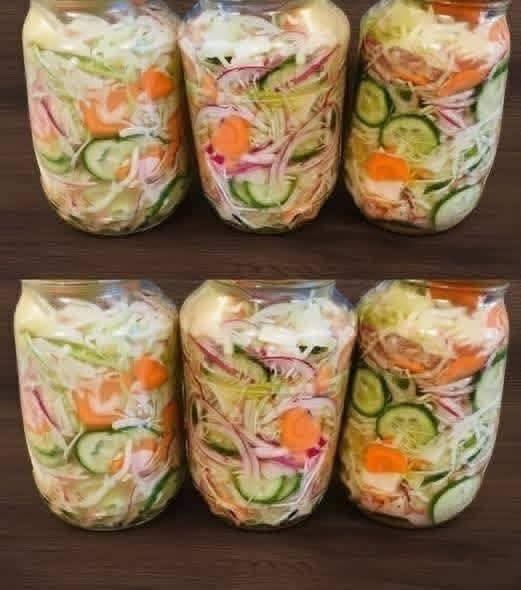
The image of rows of glass jars, packed tight with vibrant layers of green cucumber, orange carrots, and purple onions, isn’t just a “Pinterest aesthetic.” It is a biological masterpiece. This guide dives deep into the science, history, and practice of fermenting the rainbow, providing you with everything you need to turn your kitchen into a living laboratory.
Part I: The Resurrection of an Ancient Craft
Before the advent of mechanical refrigeration, humans had a problem: harvest season provided a glut of food that would rot within weeks, leaving the winter months barren. We didn’t “invent” fermentation; we discovered it. Whether it was the nomadic tribes of Central Asia fermenting milk or the builders of the Great Wall of China preserving cabbage in rice wine, fermentation was the key to survival.
Today, we don’t ferment because we have to, but because we want to. We are chasing the “funk”—that complex, acidic, umami-rich flavor profile that no industrial vinegar-based pickle can replicate. We are also chasing health, looking to repair our microbiomes in an era of processed foods and antibiotics.
Part II: The Science — How the Magic Happens
To understand what is happening inside those jars, we have to look at the microscopic level. Most people hear “bacteria” and think of illness. In fermentation, we are cultivating “the good guys,” primarily Lactobacillus.
The Chemical Reaction
Lacto-fermentation occurs when bacteria convert sugars in vegetables into lactic acid. This process is anaerobic (performed without oxygen). The chemical simplification of this process can be represented as:
In this equation, C_6H_{12}O_6 is glucose (the sugar in your carrots and cabbage), and C_3H_6O_3 is the lactic acid.
The Role of Salt
Salt is the gatekeeper. By creating a saline environment (usually between 2% and 5%), we inhibit the growth of “bad” bacteria and molds that cause rot, while allowing the salt-tolerant Lactobacillus to thrive. As the bacteria produce lactic acid, the pH of the jar drops. Once the pH falls below 4.6, the environment becomes too acidic for most pathogens to survive, effectively “preserving” the food.
Part III: Anatomy of the “Rainbow Jar”
Based on the classic medley of cabbage, cucumbers, carrots, and onions, each ingredient brings a specific function to the fermentation party:
- Cabbage (The Foundation): High in natural sugars and dense in Lactobacillus, cabbage is the engine of the ferment. It provides the crunch and the bulk.
- Carrots (The Sweetener): Carrots add a necessary sweetness that balances the sharp acidity of the lactic acid.
- Cucumbers (The Challenge): Cucumbers are high in water and can turn mushy. Using “pickling” varieties and adding a source of tannins (like a bay leaf or grape leaf) helps keep them crisp.
- Red Onions (The Aromatics): Onions provide sulfur compounds that mellow out during fermentation, turning from “sharp” to “savory.”
- Peppers (The Heat): Whether you use jalapeños or chili flakes, capsicum adds a layer of complexity that stimulates the palate.
Part IV: The Master Recipe for Mixed Vegetable Ferments
1. Equipment Checklist
- Wide-mouth Mason Jars: Glass is non-reactive and easy to clean.
- Digital Scale: Essential for calculating the precise salt percentage.
- Fermentation Weights: Glass or ceramic pucks used to keep the vegetables submerged. Rule Number One: If it’s under the brine, it’s fine; if it’s in the air, beware.
- Airlock Lids (Optional): These allow gases to escape without letting oxygen in, reducing the risk of mold.
2. The Ingredients
- 1 medium head of green cabbage (shredded)
- 3 large carrots (sliced into rounds)
- 4-5 kirby cucumbers (sliced)
- 1 large red onion (thinly sliced)
- 4 cloves of garlic (smashed)
- Non-iodized salt: (Sea salt or Kosher salt—iodine can inhibit fermentation).
3. Step-by-Step Instructions
Step A: The Weigh-In
Place a large bowl on your scale and tare it. Add all your chopped vegetables. Note the weight in grams.
Step B: Calculating Salt
To achieve a 2.5% brine, multiply the weight of your vegetables (plus any water you add) by 0.025.
Example: If your veggies weigh 1000g, you need 25g of salt.
Step C: The Massage
Sprinkle the salt over the vegetables. Massage them with your hands for 5-10 minutes. The salt will draw the moisture out of the vegetables through osmosis, creating its own “mother brine.”
Step D: Packing the Jar
Pack the vegetables into the jar tightly. Use a wooden tamper or your fist to squeeze out air pockets. Once the jar is packed, the liquid should rise above the level of the vegetables.
Step E: The Weight and Wait
Place your fermentation weight on top. Seal the jar with an airlock or a loose lid (if using a standard lid, you must “burp” it daily to release CO_2). Place the jar in a cool, dark spot (18°C–22°C is ideal).Part V: Troubleshooting and Safety
Many beginners are terrified of “making themselves sick.” While botulism in lacto-fermented vegetables is statistically incredibly rare due to the high acidity, you should use your senses.
What is Normal?
- Cloudy Brine: This is a sign that the bacteria are doing their job.
- Bubbling: This is CO_2 being released; it means your ferment is “alive.”
- White Film (Kahm Yeast): A thin, white, wavy film on the surface. It’s harmless but can affect taste. Skim it off.
What is NOT Normal?
- Fuzzy Mold: If you see green, black, or red fuzzy spots, the ferment has been exposed to too much oxygen. When in doubt, throw it out.
- Putrid Smell: A good ferment smells sour, like vinegar or yogurt. If it smells like a literal dumpster or “rotten,” something went wrong.
- Soft/Slimey Texture: Usually caused by too little salt or temperatures that are too high.
Part VI: The Health Benefits — Why Your Gut Will Thank You
The modern diet is often “sterile.” While this prevents disease, it also starves our gut microbiome. Lacto-fermented vegetables provide two major benefits:
- Probiotics: You are consuming billions of live L. plantarum and L. brevis bacteria. These help regulate digestion and have been linked to improved immune function.
- Bioavailability: Fermentation “pre-digests” the food. It breaks down anti-nutrients like phytates and increases the levels of B vitamins and Vitamin C.
Part VII: Culinary Inspiration — How to Use Your Ferments
Don’t just eat them out of the jar (though that’s perfectly fine).
- The Grain Bowl: Add a scoop of rainbow pickles to quinoa, avocado, and a soft-boiled egg.
- Taco Topper: The acidity of fermented onions and carrots cuts through the fat of carnitas or beef.
- Salad Booster: Use the leftover brine as the “acid” component in your vinaigrettes. It’s packed with flavor and probiotics.
Conclusion: The Slow Food Revolution
Fermentation is a lesson in patience. It teaches us that some of the best things in life cannot be rushed by technology. When you look at those six jars of vegetables, you aren’t just looking at food; you are looking at a partnership between humans and the microbial world.
So, go ahead—chop the cabbage, massage the salt, and wait. The reward is a crunch that echoes through history and a jar of health that no supplement aisle can match.
Happy Fermenting!