The Truth Behind “Viral” Home Remedies: Managing Diabetes, Hypertension, and Circulation Naturally
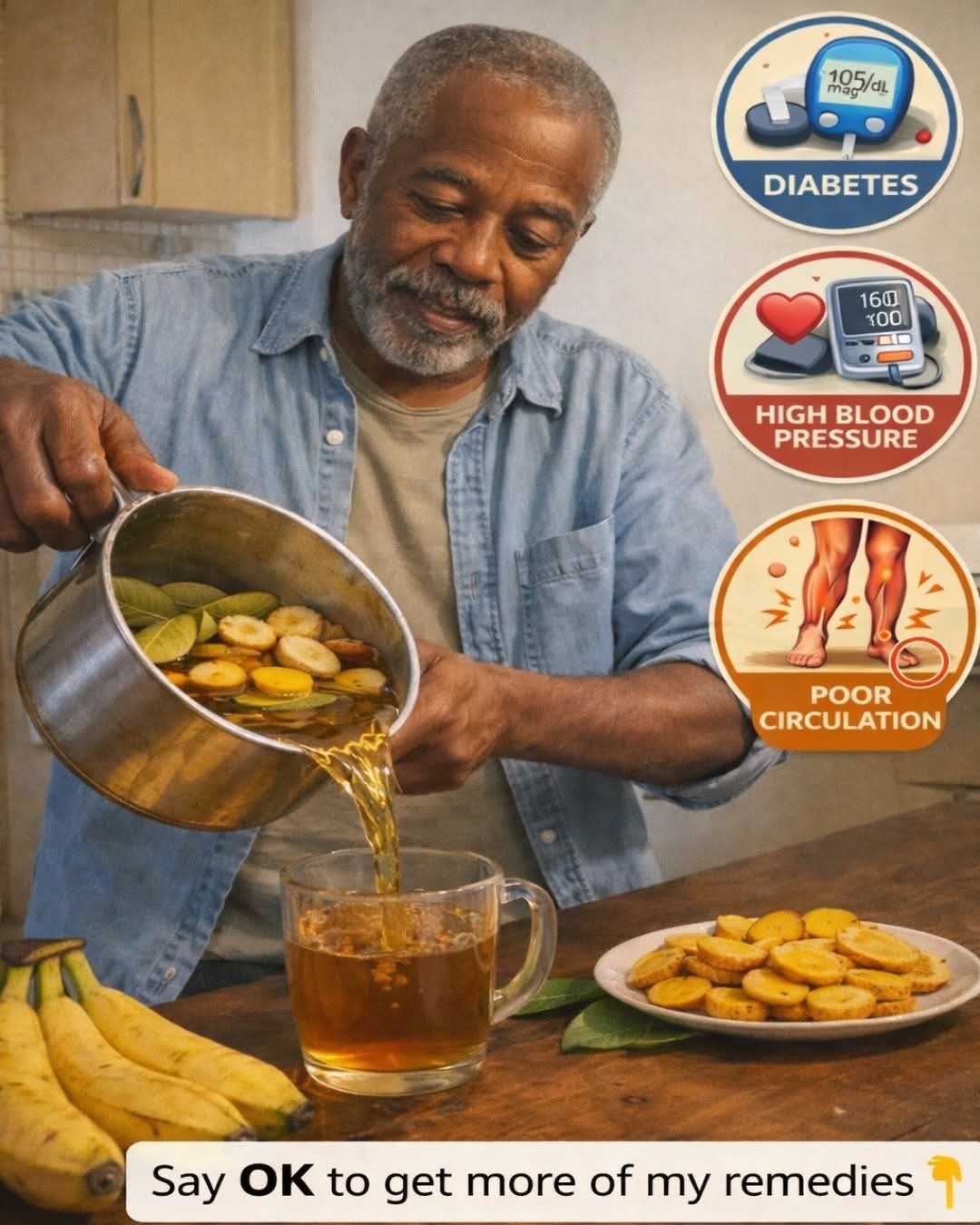
In the age of social media, it is common to come across viral images and videos claiming that a simple “kitchen remedy”—like a specific herbal tea or a boiled fruit peel—can reverse chronic conditions like diabetes, high blood pressure, or poor circulation. These images often feature a trusted-looking figure preparing a concoction, promising relief with a simple call to action.
It is natural to be drawn to these ideas. When you or a loved one are facing a chronic diagnosis, the prospect of an inexpensive, natural solution is deeply appealing. However, the world of “viral health hacks” is often a landscape of misinformation that can, at best, be ineffective, and at worst, be dangerous if it causes patients to delay or stop prescribed medical treatment.
In this article, we are going to move beyond the clickbait. We will break down what these conditions actually are, why natural interventions require a scientific approach, and how you can truly manage your metabolic and vascular health through evidence-based lifestyle changes.
Part 1: Decoding the Claims—Why We Love “Miracle Cures”
The human brain is wired to look for patterns and simple solutions to complex problems. When a video shows a man boiling banana peels and claiming it cures diabetes, it taps into several psychological triggers:
- The Desire for Autonomy: Chronic diseases often make patients feel like they have lost control. A home remedy offers a sense of agency.
- Mistrust of Systems: Many people feel let down by the modern healthcare system, which can be expensive, rushed, and symptom-focused rather than root-cause focused.
- The “Natural” Halo Effect: There is a pervasive bias that anything “natural” is inherently safe and effective, and that anything “pharmaceutical” is inherently harmful. This is a false dichotomy. Many dangerous substances are natural, and many life-saving medicines are derived from nature.
When we see an image suggesting that a simple tea can solve complex, systemic issues like insulin resistance or arterial stiffness, we must ask: What is the mechanism of action? If there is no peer-reviewed science to back it up, we must exercise extreme caution.
Part 2: Understanding the Conditions
To manage your health, you must understand what is happening inside your body. Let’s look at the three conditions highlighted in viral health content.
1. Diabetes (Type 2)
Type 2 Diabetes is primarily characterized by insulin resistance. Your cells stop responding efficiently to insulin, the hormone that allows sugar (glucose) to enter cells for energy. Consequently, glucose builds up in the blood.
- The Reality: There is no “tea” that restores insulin sensitivity overnight. Management requires a combination of weight management, consistent physical activity, fiber intake, and—often—medication to keep blood glucose levels in a safe range.
- The Role of Diet: It is not about removing specific foods, but about managing the glycemic load of your total intake.
2. High Blood Pressure (Hypertension)
Hypertension is often called the “silent killer” because it rarely has symptoms until it causes a stroke or heart attack. It is caused by the heart pumping against narrowed or stiffened arteries.
- The Reality: Potassium is indeed helpful for blood pressure, which is why bananas are often mentioned in health circles. However, boiling a peel and drinking the water is an inefficient and inconsistent way to get therapeutic levels of potassium. You would need to consume a very specific, carefully managed diet (like the DASH diet) to see real results.
3. Poor Circulation
Poor circulation is often a symptom of other issues, such as peripheral artery disease (PAD), diabetes, or smoking. It results in cold extremities, numbness, and cramping.
- The Reality: You cannot “drink” your way to better circulation if the underlying issue is arterial plaque buildup or blood sugar damage. Circulation improves when you improve the health of your endothelial lining (the inside of your blood vessels) through exercise, smoking cessation, and inflammation reduction.
Part 3: The Myth of the “Home Remedy” Tea
Let’s address the elephant in the room: Banana tea.
Bananas are a fantastic fruit. They are rich in potassium, Vitamin B6, and fiber. If you eat the fruit, you gain those benefits. However, when you boil the peels or the fruit to make a tea:
- Nutrient Degradation: Many vitamins are heat-sensitive and break down when boiled.
- Inconsistency: You have no way of knowing how much potassium or fiber you are actually ingesting.
- Missing the Big Picture: Even if you managed to extract some nutrients, drinking a cup of tea does not negate a diet high in processed sugars, lack of exercise, or chronic stress.
Health is a holistic game. There is no singular ingredient that can override a lifestyle that promotes inflammation.
Part 4: The Pillars of Proven Metabolic Health
If you want to manage your blood sugar, blood pressure, and circulation, you don’t need “secret” remedies. You need to apply the fundamentals of metabolic science. Here is what actually works.
The Nutritional Foundation
Instead of looking for a “magic” ingredient, focus on the Glycemic Index and Anti-Inflammatory principles.
- Prioritize Fiber: Fiber acts as a sponge, slowing the absorption of glucose into your bloodstream. This prevents the “spikes” that damage blood vessels. Focus on leafy greens, legumes, whole grains, and nuts.
- The Sodium-Potassium Balance: For blood pressure, it is less about “fixing” the body and more about “not breaking” it. Reduce processed sodium intake, which causes water retention and high pressure. Increase potassium through whole foods (spinach, sweet potatoes, avocados).
- Hydration: Water is the fundamental solvent of the body. Proper hydration keeps blood volume optimal and prevents circulation issues.
The Movement Requirement
Physical activity is perhaps the most potent “medicine” available.
- Resistance Training: Muscle tissue is the primary consumer of glucose in the body. When you lift weights or do bodyweight exercises, you increase your insulin sensitivity, meaning your body gets better at processing sugar.
- Aerobic Exercise: Walking, swimming, or cycling improves the elasticity of your arteries, directly combating poor circulation and hypertension.
Stress and Sleep
Chronic stress keeps the body in a “fight or flight” mode, which constantly dumps cortisol and adrenaline into your system. These hormones spike your blood sugar and raise your blood pressure.
- The Sleep-Health Link: Sleep deprivation is a major driver of metabolic dysfunction. During deep sleep, your body repairs your cardiovascular system. If you aren’t sleeping, your insulin resistance will worsen, regardless of what you eat.
Part 5: When to Use Natural Approaches vs. Medicine
A major danger of viral health misinformation is the idea that you must choose between “natural” and “medical.” This is a false choice.
Integrative health is the gold standard. This means using the best of both worlds:
- The Role of Medicine: Medication is often necessary to provide a “safety floor.” If your blood sugar is dangerously high, medication brings it down so you don’t suffer organ damage while you work on lifestyle changes.
- The Role of Lifestyle: Lifestyle is the “ceiling.” It determines how well you can function, whether you can eventually reduce medication, and the quality of your long-term health.
Never stop taking prescribed medication because you saw a video online about a “natural remedy.” Always talk to your doctor. A good doctor will be thrilled that you want to manage your health through diet and exercise and will help you monitor your levels as you make changes.
Part 6: How to Evaluate Health Information Online
The internet is full of “gurus” and “experts” with varying degrees of credibility. To protect yourself, use the CRAP Test for health information:
- Currency: Is the information recent? Science changes rapidly.
- Reliability: Does the source provide citations to peer-reviewed studies (e.g., PubMed, The Lancet, Mayo Clinic)?
- Authority: Who is the person speaking? Do they have a medical degree or a background in nutrition science?
- Purpose: What is their goal? Are they trying to sell you a product, or are they providing unbiased information? If they ask you to “Say OK” or click a link to get a “hidden” secret, be extremely skeptical.
Conclusion
The man in the image may be well-intentioned, and drinking a cup of tea is rarely harmful. But we must be careful not to conflate “harmless rituals” with “effective treatments.”
True health is not found in a single cup of boiled fruit water. It is found in the compounding interest of daily choices: the walk you take after dinner, the vegetables you choose over refined carbohydrates, the consistent sleep schedule you keep, and the professional relationship you maintain with a healthcare provider who knows your medical history.
Don’t settle for the quick fix. Invest in your health with the tools that have been proven to work for decades. Start by scheduling a check-up with your doctor to establish your baseline, and then build your “remedy” from the ground up—one healthy choice at a time.
Key Takeaways for Your Health Journey
- Consult a Professional: Never replace medication with home remedies.
- Focus on the Basics: Diet, exercise, and sleep are more powerful than any supplement or tea.
- Stay Skeptical: If a health claim sounds too good to be true, it almost certainly is.
- Consistency Wins: There are no “instant” results in biology. Your body responds to habits, not singular events.
For more science-backed guides on managing your well-being, stay tuned to our upcoming articles where we break down the latest in nutrition and cardiovascular health.