Beyond the Viral Myth: The Science of Garlic, Parasites, and Why “Quick Fixes” Don’t Work
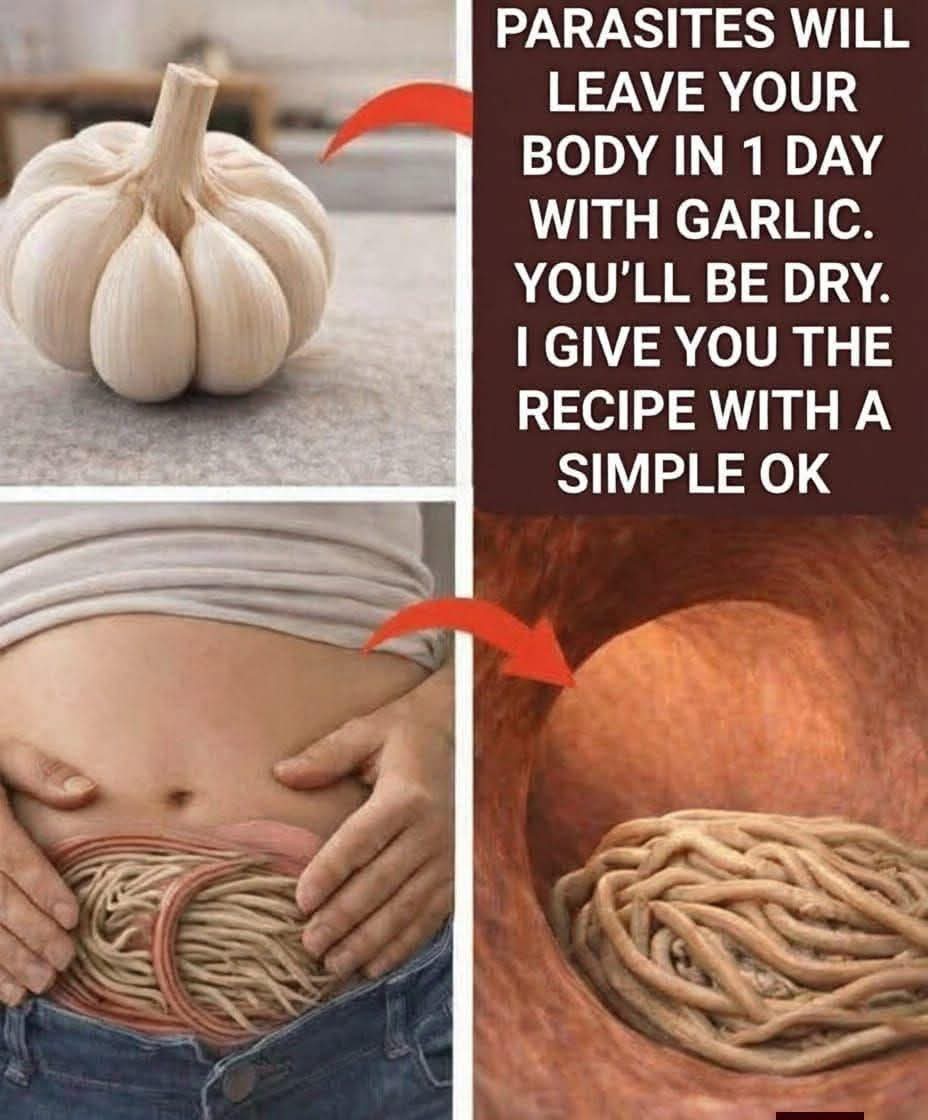
In the digital age, health advice is often reduced to shareable, high-impact graphics. We have all seen them: the promise of a “miracle detox” or a “natural cure” for everything from digestive issues to systemic infections. One of the most persistent myths circulating on social media involves the claim that a simple garlic-based remedy can “clear your body of parasites in one day.”
At first glance, it is easy to see why this resonates. Garlic is a beloved staple, known for its pungent aroma and historical use in folk medicine. The idea that a common kitchen ingredient could be a panacea for something as unpleasant as a parasitic infection is deeply appealing. It feels empowering, affordable, and “natural.”
However, the leap from “garlic is healthy” to “garlic is a medical treatment for parasites” is a dangerous one. As we navigate an era of abundant medical information, it is critical to separate folklore from clinical reality. In this article, we will dissect the truth about garlic, the nature of intestinal parasites, and why relying on social media “cures” can actually delay the medical care you might genuinely need.
Part 1: The Anatomy of a Viral Health Myth
Why do claims like the one in the viral graphic spread so effectively? It usually boils down to three psychological triggers:
- The Appeal to Nature: There is a pervasive belief that if something is “natural,” it must be safe and effective, and that pharmaceutical interventions are inherently “unnatural” or harmful.
- Fear and Disgust: Parasites are a visceral, frightening topic. The thought of an “unclean” internal state creates anxiety, and when people are anxious, they are more susceptible to quick, easy solutions that offer immediate relief.
- The “Secret Knowledge” Narrative: These posts often frame themselves as insider information—the “recipe they don’t want you to know about.” This creates a sense of belonging and empowerment for the reader.
When these factors combine, they create a perfect environment for misinformation to flourish. Unfortunately, when it comes to infectious diseases, these myths do not just waste time; they can prevent individuals from seeking the specific, evidence-based treatments required to resolve a genuine medical issue.
Part 2: The Scientific Reality of Garlic
To understand why garlic is not a treatment for parasites, we must first understand what garlic actually is—and what it isn’t.
The Power of Allicin
Garlic (Allium sativum) contains a compound called allicin. When a clove of garlic is crushed or chopped, the enzyme alliinase converts the amino acid alliin into allicin. This compound is responsible for garlic’s signature smell and is the focus of much scientific research.
In laboratory settings (in vitro), allicin has demonstrated antimicrobial, antifungal, and antibacterial properties. It can, in a Petri dish, inhibit the growth of various pathogens. However, the human body is not a Petri dish.
The Limits of “In Vivo” Application
The challenge with using garlic as a “cure” lies in bioavailability and dosage. For allicin to have a significant therapeutic effect on a parasite living deep within the human digestive tract, one would need to consume concentrations of the compound that are far higher than what can be achieved through diet alone. Furthermore, the human digestive system breaks down these compounds significantly before they can reach the target area in a therapeutic concentration.
While eating garlic as part of a balanced, heart-healthy diet is undoubtedly beneficial for overall wellness, there is no scientific evidence to suggest that consuming garlic can eradicate an established parasitic infestation in the human body—let alone in 24 hours.
Part 3: Understanding Intestinal Parasites
If the garlic “cure” isn’t the answer, what is? To answer that, we must understand what we are dealing with when we talk about parasites.
Intestinal parasites are organisms that live within the human digestive tract. They are diverse, ranging from microscopic protozoa to macroscopic helminths (worms like tapeworms, roundworms, and pinworms).
How You Get Them
Parasitic infections are typically contracted through:
- Contaminated Food and Water: Consuming produce that has been washed in contaminated water, or eating undercooked meat (like pork or fish).
- Poor Hygiene: Failing to wash hands after using the restroom or before eating.
- Environmental Exposure: Walking barefoot on contaminated soil (common with hookworms) or poor sanitation in certain regions.
Symptoms of Infection
Symptoms vary wildly depending on the type of parasite. Common signs may include:
- Abdominal pain or cramping.
- Diarrhea, nausea, or vomiting.
- Gas and bloating.
- Fatigue.
- Unexplained weight loss.
- Itching around the rectum (common with pinworms).
Because these symptoms are incredibly generic—they can be caused by food poisoning, IBS, lactose intolerance, or the flu—self-diagnosing a parasitic infection based on a social media graphic is highly likely to lead to an incorrect conclusion.
Part 4: The Dangers of “Detox” Culture
The graphic you shared relies on the concept of a “parasite cleanse” or “detox.” In the health and wellness industry, the term “detox” is often used to suggest that your body is full of toxins or parasites that need to be “flushed out.”
Medically, the body already has a highly sophisticated, constant detoxification system: your liver and kidneys. If your liver and kidneys are functioning well, they are doing their job 24/7.
The danger of self-administered “cleanses” is twofold:
- Delay of Diagnosis: If you have a legitimate parasitic infection (such as Giardia or Cryptosporidium), it requires specific anti-parasitic medication prescribed by a physician. If you spend time relying on garlic or herbal supplements, the infection can progress, lead to nutritional deficiencies, or spread to other members of your household.
- Safety Risks: Concentrated extracts, “herbal cleanses,” or extreme diets can cause gastrointestinal distress, electrolyte imbalances, or dangerous interactions with other medications you may be taking.
Part 5: Evidence-Based Solutions
If you suspect you have a parasitic infection, you do not need a viral recipe; you need a standard diagnostic process. Here is how modern medicine handles this:
- Stool Testing: The gold standard for diagnosis. A healthcare provider will request a stool sample to look for the eggs, larvae, or cysts of parasites under a microscope. This is the only way to know if you have a parasite and, crucially, what kind you have.
- Blood Tests: In some cases, blood tests can detect antibodies or specific markers of infection.
- Targeted Medication: Once the parasite is identified, doctors prescribe specific anti-parasitic drugs (such as albendazole or metronidazole). These medications are designed to target the specific organism without harming your body’s healthy gut flora.
Part 6: How to Properly Use Garlic in Your Diet
This article is not intended to discourage you from eating garlic. On the contrary, garlic is a fantastic addition to a healthy diet. It is linked to better heart health, lower blood pressure, and a stronger immune system.
If you want to use garlic effectively, focus on lifestyle, not “cures”:
- Eat It Fresh: To maximize the benefits of allicin, crush or mince your garlic and let it sit for about 10 minutes before cooking. This allows the beneficial compounds to fully develop.
- Include It in Meals: Use it as a base for soups, stir-fries, and roasted vegetables.
- Think Long-Term: Garlic is a marathon runner, not a sprinter. Its health benefits accumulate over years of consistent, healthy eating, not through a 24-hour “flush.”
Part 7: Conclusion: Trust Science, Not Graphics
The allure of a quick fix is powerful. In a world of complex, sometimes frustrating health issues, we all want an easy solution that is cheap and readily available in our kitchen. But the viral image suggesting that garlic can eliminate parasites in one day is a dangerous fantasy.
Parasitic infections are medical conditions that require diagnosis and treatment by professionals. If you are feeling unwell, experiencing persistent digestive issues, or are concerned about your health, please skip the “miracle cure” recipes online. Instead, schedule an appointment with your primary care physician. Get the tests, get the right diagnosis, and use garlic for what it truly is: a delicious, healthy, and celebrated part of a balanced diet.
Your health is too important to leave to an unverified graphic. Trust in science, consult the experts, and nourish your body with habits that stand the test of time.