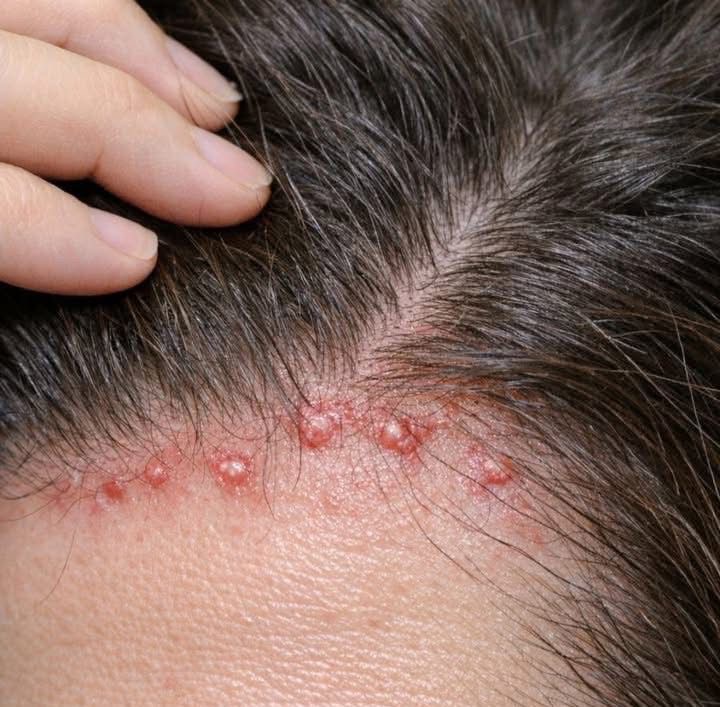
hRed itchy bumps keep flaring up along my hairline, and my appointment isn’t anytime soon. What helps now?
Dealing with red, itchy bumps along your hairline can be frustrating, especially when your dermatologist appointment is still weeks away. These flares can be uncomfortable and even embarrassing, impacting your day-to-day life. Understanding the potential causes and implementing some immediate relief strategies can offer you comfort while you wait for professional advice.
Hairline bumps can result from a variety of factors, including allergic reactions, product buildup, or even underlying skin conditions. Identifying the triggers and adopting some preventive measures can help manage the symptoms more effectively. This article explores practical steps and remedies to soothe the irritation and reduce flare-ups until you can consult your dermatologist.
How Hair Products Trigger Red, Itchy Bumps Along Your Hairline
Hair products, including shampoos, conditioners, and styling agents, are common culprits behind hairline irritation. Ingredients such as sulfates, parabens, and fragrances can cause allergic reactions or contact dermatitis, leading to red, itchy bumps. These reactions can occur immediately or after prolonged exposure, depending on individual sensitivities.
In some cases, product buildup can clog pores along the hairline, leading to acne-like eruptions. Using excessive amounts of styling gels, sprays, or pomades can exacerbate this problem. It’s crucial to check product labels and opt for hypoallergenic, non-comedogenic options to minimize the risk of irritation.
The First Step: Stop Suspect Products and Simplify Your Routine
The first step in managing hairline bumps is to halt the use of any new or suspect products. Simplifying your hair care routine to include only essential, gentle products can prevent further irritation. Consider using a sulfate-free shampoo and a light, fragrance-free conditioner to cleanse your scalp without causing additional harm.
Pay attention to any recent changes in your hair care regimen. If you’ve introduced a new product recently, discontinue its use and observe if your symptoms improve. This elimination process helps identify the specific product or ingredient responsible for the irritation.
Gentle Cleansing: How to Wash Without Making the Rash Worse
When dealing with irritated skin, it is vital to wash your hair with care. Use lukewarm water instead of hot, as hot water can strip the scalp of natural oils and worsen irritation. Apply a gentle, sulfate-free shampoo using your fingertips rather than your nails to avoid scratching the affected area.
Rinse thoroughly to ensure no product residue remains on the scalp, as this can exacerbate the problem. If necessary, follow up with a lightweight, non-irritating conditioner, focusing on the ends of your hair rather than the scalp.
Soothe the Itch Now With Over-the-Counter Remedies
Over-the-counter remedies can offer quick relief from itching and discomfort. Antihistamines like diphenhydramine (Benadryl) can help alleviate allergic reactions, while topical creams containing ingredients like calamine or colloidal oatmeal can soothe irritated skin.
It’s important to choose products specifically designed for sensitive skin to avoid further irritation. Application should be gentle, and you should observe the affected area closely for any signs of worsening symptoms.
Cool Compresses and Home Soothers That Actually Help
Applying a cool compress to the affected area can reduce inflammation and provide immediate relief from itching. To create a cool compress, soak a clean cloth in cold water, wring out the excess, and apply it to your hairline for 10-15 minutes. Repeat as needed throughout the day.
Natural soothers such as aloe vera gel or diluted apple cider vinegar can also offer relief. Aloe vera has anti-inflammatory properties, while apple cider vinegar’s acidity can help restore the skin’s natural pH balance. Always dilute apple cider vinegar with water in a 1:1 ratio to prevent skin irritation.
When to Reach for Hydrocortisone—and When to Skip It
Hydrocortisone cream is a common treatment for reducing inflammation and itching caused by skin irritations. Applying a thin layer to the affected area once or twice daily can significantly diminish symptoms. However, hydrocortisone should not be used for extended periods without consulting a healthcare professional, due to potential side effects such as skin thinning.
It is advisable to avoid hydrocortisone if the bumps are open or weeping, as this can increase the risk of infection. Additionally, if you suspect a fungal infection, hydrocortisone may exacerbate the issue and should be avoided.
Common Haircare Irritants and Allergens to Avoid Immediately
To prevent further flare-ups, it’s essential to be aware of common irritants and allergens in hair care products. Ingredients like sulfates, parabens, formaldehyde, and synthetic fragrances are known triggers for many individuals. Opt for products labeled as hypoallergenic or formulated for sensitive skin.
Additionally, natural oils such as coconut or argan oil, while generally beneficial, can occasionally cause reactions in sensitive individuals. Patch-testing a small amount of any new product on your inner arm before applying it to your hairline can help avoid adverse reactions.
Quick Hairstyle and Accessory Tweaks That Reduce Friction and Sweat
Certain hairstyles and hair accessories can contribute to hairline irritation by increasing friction or trapping sweat. Loose hairstyles, such as braids or a low ponytail, can reduce tension on the scalp and minimize irritation.
Consider using soft, fabric-covered hair ties instead of rubber bands, and avoid wearing hats or headbands for extended periods. These accessories can retain moisture and heat, creating a breeding ground for irritation and flare-ups.
How to Patch-Test New Products While You Wait for Your Appointment
Patch-testing is a critical step in preventing allergic reactions to new hair care products. To perform a patch test, apply a small amount of the product to a discreet area of skin, such as behind your ear or on your inner arm. Wait 24-48 hours and observe for any signs of redness, itching, or swelling.
If no reaction occurs, the product is likely safe for use on your hair and scalp. However, if you experience any adverse effects, discontinue use immediately and consult a healthcare professional if necessary.
Red-Flag Symptoms That Mean You Shouldn’t Wait to Be Seen
While minor hairline irritation can often be managed at home, certain symptoms warrant immediate medical attention. These include severe pain, extensive swelling, pus-filled bumps, or any signs of systemic infection such as fever. Rapidly spreading rashes or those that do not improve with over-the-counter treatments should also be evaluated by a healthcare professional.
Persistent or worsening symptoms may indicate an underlying condition requiring targeted treatment, and delaying professional care could lead to complications.
How to Document Your Flare-Ups So Your Dermatologist Can Help Faster
Keeping a detailed record of your flare-ups can provide valuable information to your dermatologist. Note the date and time of each occurrence, the severity of symptoms, and any potential triggers such as new products or environmental changes.
Photographing the affected area at different stages can also help your dermatologist assess the progression and determine the most effective treatment plan. Additionally, track any home remedies or over-the-counter treatments used and their effectiveness, as this information can guide future care decisions.