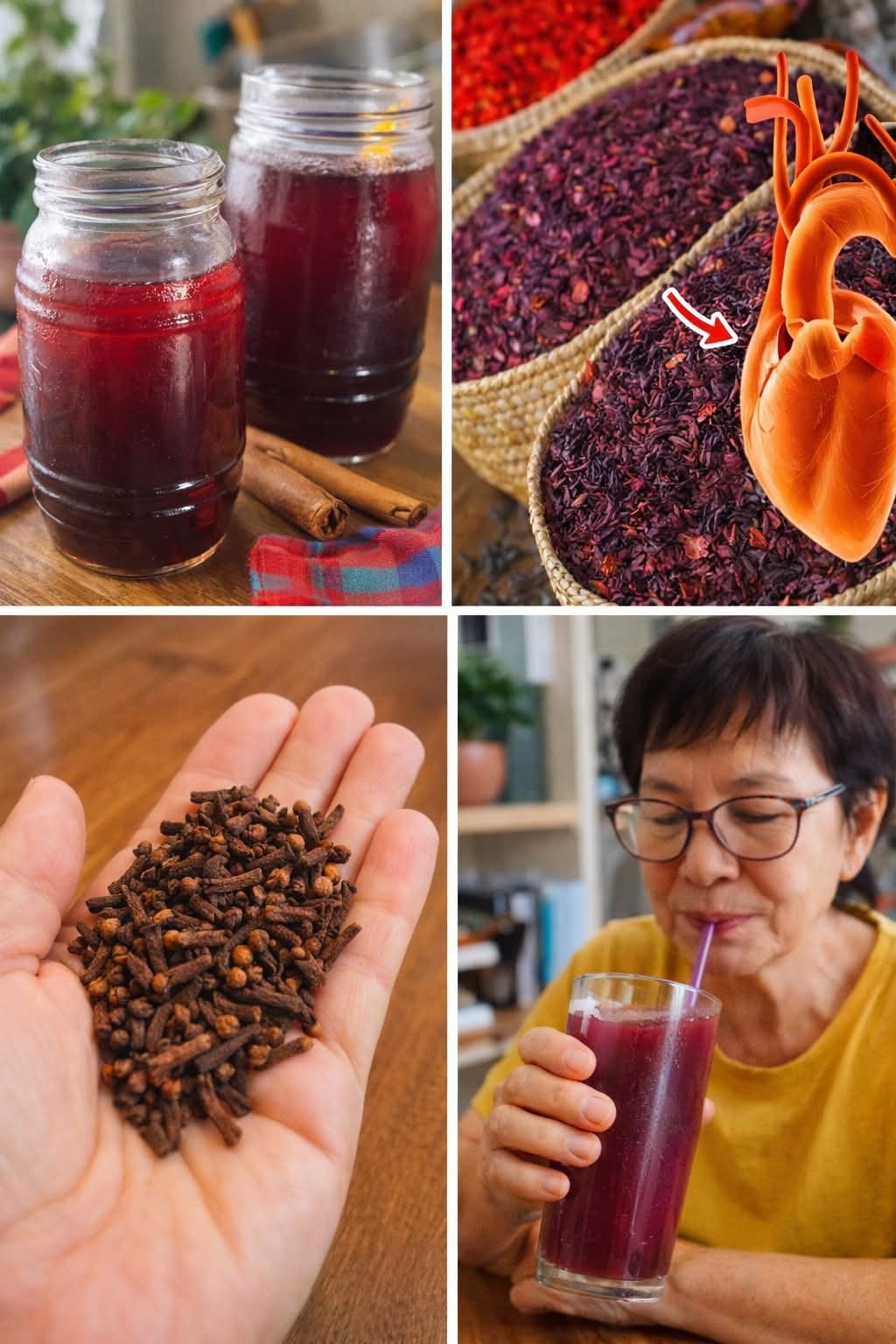
The combination of cloves (Syzygium aromaticum) and hibiscus (Hibiscus sabdariffa, often called karkade, roselle, or sour tea) in a infused drink has gained attention in natural health circles for its potential to support cardiovascular wellness. Images circulating online often depict a deep red infusion made from dried hibiscus calyces steeped with whole cloves, sometimes enhanced with cinnamon or other spices, promoted as a heart-friendly beverage that may help manage blood pressure and cholesterol levels naturally.
This comprehensive article explores the scientific basis, traditional uses, preparation methods, potential benefits, mechanisms of action, safety considerations, and limitations of this spiced hibiscus-clove drink. While hibiscus tea has more robust clinical evidence for heart-related effects, cloves add complementary antioxidant and anti-inflammatory properties through their primary compound, eugenol. Together, they may offer synergistic support for heart health, though direct studies on the exact combination remain limited.
Introduction to Hibiscus and Cloves in Traditional and Modern Contexts
Hibiscus sabdariffa is a flowering plant native to West Africa but cultivated widely in tropical regions, including parts of Asia, the Caribbean, and Latin America. Its vibrant red calyces (the sepals of the flower) are dried and used to make a tart, cranberry-like herbal tea consumed hot or cold. In many cultures, hibiscus tea is a staple beverage—known as jamaica in Mexico, sorrel in the Caribbean, and karkade in Egypt and Sudan—often enjoyed for refreshment and mild medicinal purposes.
Cloves, the dried flower buds of an evergreen tree native to Indonesia, have been used for millennia in Ayurvedic, Chinese, and Middle Eastern medicine. They provide a warm, pungent flavor and are rich in eugenol (up to 90% of clove essential oil), a phenolic compound with well-documented biological activity.
Combining the two creates a ruby-red infusion with a balance of tartness from hibiscus and spicy warmth from cloves. This drink is sometimes called “clove hibiscus tea” or “spiced hibiscus infusion” in wellness communities. Proponents claim it supports heart function by addressing key risk factors like hypertension, oxidative stress, inflammation, and dyslipidemia (abnormal lipid levels).
Modern interest stems from growing evidence on natural interventions for cardiovascular disease (CVD), the leading cause of death globally. Lifestyle factors, diet, and herbal supports are increasingly studied as adjuncts to conventional care.
The Science Behind Hibiscus for Cardiovascular Health
Hibiscus sabdariffa stands out among herbal teas for its effects on heart-related markers, backed by multiple clinical trials, systematic reviews, and meta-analyses.
Blood Pressure Reduction
One of the strongest areas of evidence is hibiscus’s ability to lower blood pressure. A 2022 systematic review and meta-analysis of randomized controlled trials found that hibiscus consumption significantly reduced systolic blood pressure (SBP) by approximately 7.10 mmHg compared to placebo, with greater effects in those with elevated baseline levels. Diastolic blood pressure (DBP) showed favorable trends, though not always statistically significant. In some comparisons, hibiscus performed comparably to low-dose pharmaceutical antihypertensives like captopril, without reported side effects in short-term use.
Mechanisms include vasorelaxation (relaxing blood vessels), possibly via anthocyanins (pigments like delphinidin-3-sambubioside) and organic acids that inhibit angiotensin-converting enzyme (ACE) activity or promote nitric oxide production for better endothelial function. Diuretic effects may also contribute modestly.
Cholesterol and Lipid Profile Improvement
Hibiscus shows promise in modulating lipids. Meta-analyses indicate reductions in low-density lipoprotein (LDL, or “bad” cholesterol) by around 6-7 mg/dL compared to controls or other teas. Some studies report decreases in total cholesterol and triglycerides, with occasional increases in high-density lipoprotein (HDL, “good” cholesterol). These changes could reduce atherosclerosis risk by limiting plaque buildup in arteries.
Antioxidant and Anti-Inflammatory Effects
Hibiscus ranks among the highest antioxidant beverages, surpassing even green tea in some assays due to high polyphenol and anthocyanin content. These compounds neutralize free radicals, reduce oxidative stress (a driver of endothelial damage and CVD), and lower inflammatory markers like C-reactive protein.
Additional benefits include potential improvements in blood sugar regulation and weight management, indirectly supporting heart health by addressing metabolic syndrome components.
Cloves and Eugenol: Complementary Cardioprotective Properties
Cloves contribute through eugenol and other phenolics, offering antioxidant, anti-inflammatory, and vascular benefits.
Antioxidant Power
Eugenol scavenges free radicals effectively, protecting cells from oxidative damage. Studies show cloves and eugenol boost endogenous antioxidants like superoxide dismutase (SOD), catalase, and glutathione peroxidase while reducing lipid peroxidation markers.
Anti-Inflammatory Action
Eugenol inhibits pro-inflammatory pathways, including NF-κB and COX-2, reducing cytokines like TNF-α and IL-6. This may mitigate chronic low-grade inflammation linked to atherosclerosis and hypertension.
Direct Cardiovascular Effects
Recent reviews highlight eugenol’s role in reducing risk factors: it may improve insulin sensitivity, lower hyperlipidemia, normalize blood pressure, prevent endothelial dysfunction, inhibit platelet aggregation (reducing thrombosis risk), and protect against myocardial injury in animal models. Eugenol shows anti-atherosclerotic potential by limiting foam cell formation and plaque progression.
While human trials on cloves alone for heart health are fewer than for hibiscus, the compound’s broad protective profile complements hibiscus’s effects.
Synergistic Potential of the Clove-Hibiscus Combination
Though few studies examine the exact blend, combining hibiscus’s anthocyanin-driven vasorelaxant and lipid-modulating effects with clove’s eugenol-based antioxidant and anti-inflammatory actions could provide additive or synergistic benefits. The tart acidity of hibiscus might enhance eugenol’s bioavailability, while cloves could mellow hibiscus’s sharpness for better palatability. Both target overlapping pathways—oxidative stress, inflammation, vascular tone, and lipid metabolism—making the drink a plausible natural adjunct for mild cardiovascular support.
How to Prepare Clove-Infused Hibiscus Tea
A basic recipe uses:
- 1-2 tablespoons dried hibiscus calyces
- 4-6 whole cloves (or ½ teaspoon ground)
- Optional: cinnamon stick, ginger slice, or lemon for flavor
- 4-5 cups boiling water
Steep for 10-15 minutes, strain, and drink 1-3 cups daily. Sweeten lightly with honey if needed, but avoid excess sugar to preserve benefits.
Start with 1-2 cups to assess tolerance.
Safety Considerations and Precautions
Hibiscus is generally safe in moderate amounts but can lower blood pressure significantly—monitor if on antihypertensives, as additive effects may cause hypotension. It may interact with diuretics, acetaminophen, or diabetes medications.
Cloves are safe in culinary doses but high amounts (e.g., clove oil) can irritate mucous membranes or thin blood. Eugenol may interact with anticoagulants.
Avoid excessive intake during pregnancy (hibiscus has traditional emmenagogue uses) or if you have low blood pressure, hormone-sensitive conditions, or liver issues. Consult a healthcare provider before regular use, especially with medications or chronic conditions.
Limitations and the Need for More Research
While hibiscus has solid evidence from meta-analyses, clove studies are more preclinical or focused on eugenol isolates. Direct human trials on the combined drink are scarce, so claims rely on extrapolating individual component benefits. Effects vary by dose, preparation, duration, and individual factors like baseline health.
Larger, longer-term randomized trials are needed to confirm optimal dosing, long-term safety, and true synergy.
Conclusion: A Promising Natural Ally for Heart Wellness
The spiced hibiscus-clove drink represents an accessible, flavorful way to incorporate evidence-based herbal support into daily routines. Hibiscus reliably aids blood pressure and lipid management, while cloves add robust antioxidant and anti-inflammatory reinforcement via eugenol. Regular moderate consumption (1-3 cups daily) may contribute to better cardiovascular resilience as part of a balanced lifestyle—including diet, exercise, stress management, and medical oversight.
This natural approach isn’t a cure or replacement for prescribed treatments but offers a gentle, enjoyable option for those seeking complementary heart support. As research evolves, this vibrant infusion may gain even stronger recognition in preventive cardiology.