Creamy Cheesy Potato Bake: The Ultimate Golden, Comforting Casserole
There are some dishes that immediately make a kitchen feel warm, welcoming, and full of wonderful memories. A creamy cheesy potato bake is one of those recipes. Rich, comforting, beautifully golden on top, and packed with tender potatoes, creamy sauce, melted cheese, herbs, and savory flavors, this casserole is the kind of meal that can turn simple ingredients into something truly special.
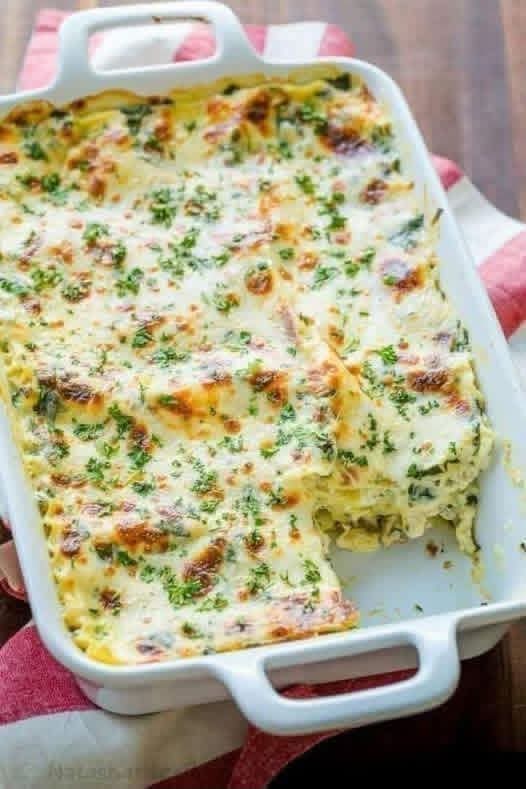
The dish in the photograph is a beautiful example of a creamy baked potato casserole, featuring layers of tender potatoes covered in a rich, creamy cheese sauce and finished with a golden, bubbling topping. Fresh green herbs scattered across the surface add color, freshness, and a lovely contrast to the rich sauce and browned cheese.
This recipe is especially appealing because it does not require complicated cooking techniques. Potatoes are one of the most affordable and versatile ingredients available, yet when they are combined with cream, cheese, herbs, seasonings, and a little patience in the oven, they become an impressive centerpiece for a family meal.
Whether you are preparing Sunday dinner, a holiday side dish, a cozy weekend meal, or simply looking for a delicious way to use potatoes, this creamy cheesy potato bake deserves a place on your table.
What Is a Creamy Cheesy Potato Bake?
A creamy cheesy potato bake is a casserole made primarily from thinly sliced potatoes layered or combined with a creamy sauce and cheese before being baked until the potatoes become tender and the surface develops a beautiful golden crust.
It is closely related to dishes such as potato gratin and scalloped potatoes, although recipes vary widely. Some versions use heavy cream, others use milk, sour cream, cream cheese, or a combination. Some include garlic and onions, while others add bacon, ham, chicken, mushrooms, spinach, or other vegetables.
The version shown in the photograph has the appearance of an especially rich and creamy casserole. The top is lightly browned with melted cheese, while chopped herbs provide a fresh finishing touch.
The beauty of this recipe is its flexibility. You can make it simple with potatoes, cream, cheese, garlic, and herbs, or transform it into a complete meal by adding protein and vegetables.
Ingredients
For approximately 8 servings, you will need:
For the potato layers
- 2 kg potatoes
- 2 tablespoons butter
- 1 tablespoon olive oil
- 1 medium onion, finely chopped
- 3 cloves garlic, minced
- 1 teaspoon salt
- ½ teaspoon black pepper
- ½ teaspoon paprika
- ½ teaspoon dried thyme
- ½ teaspoon dried oregano
For the creamy sauce
- 500 ml heavy cream
- 250 ml whole milk
- 150 g cream cheese
- 1 teaspoon garlic powder
- ½ teaspoon black pepper
- ½ teaspoon salt
- ½ teaspoon dried thyme
- ¼ teaspoon nutmeg, optional
For the cheese topping
- 200 g shredded mozzarella
- 150 g shredded cheddar
- 50 g grated Parmesan
- 2 tablespoons chopped fresh parsley
Optional additions
For a more substantial casserole, you can add:
- 200–250 g cooked chicken
- 150 g cooked bacon
- 150 g diced ham
- 150 g mushrooms
- 1 cup fresh spinach
- ½ cup sweet corn
- 1 small bell pepper
- 100 g cooked broccoli
Choosing the Best Potatoes
The potatoes you choose can make a major difference in the finished casserole.
For this recipe, potatoes with a medium-to-high starch content work particularly well because they soften beautifully while helping the sauce become thick and creamy.
Good choices include:
- Yukon Gold potatoes
- Russet potatoes
- Maris Piper potatoes
- King Edward potatoes
- Similar all-purpose baking potatoes
Yukon Gold-style potatoes are especially delicious because they have a naturally buttery texture.
Avoid potatoes that are extremely waxy if you want a very soft, creamy casserole. Waxy varieties can hold their shape extremely well but may not produce the same melt-in-your-mouth texture.
Preparing the Potatoes
Begin by washing and peeling the potatoes.
Peeling is optional. If you use thin-skinned potatoes and prefer a rustic casserole, you can leave the skins on after washing them thoroughly.
Slice the potatoes into thin, even pieces.
Aim for approximately 3–4 mm thickness.
Uniform slicing is important because potatoes of different thicknesses will cook at different speeds. Thin slices may become soft while thicker pieces remain firm.
If you have a mandoline slicer, it can make this step easier, but a sharp kitchen knife works perfectly well.
Once sliced, place the potatoes in a bowl of cold water for approximately 10 minutes if desired. This can remove some surface starch.
Drain them thoroughly and pat them dry.
Preparing the Flavor Base
Heat a large skillet over medium heat.
Add the butter and olive oil.
Once the butter melts, add the chopped onion.
Cook for approximately 4–5 minutes until the onion becomes soft and translucent.
Add the minced garlic and cook for another 30–60 seconds.
Do not brown the garlic too heavily because burnt garlic can become bitter.
Add the thyme, oregano, paprika, black pepper, and a small amount of salt.
Stir everything together.
At this stage, your kitchen should already begin to smell wonderfully savory.
Making the Creamy Sauce
The sauce is the heart of this casserole.
Pour the heavy cream and milk into a saucepan.
Add the cream cheese.
Heat gently over medium-low heat while whisking.
The goal is to create a smooth, creamy mixture rather than aggressively boiling the dairy.
Continue stirring until the cream cheese melts completely.
Add garlic powder, black pepper, thyme, and a small pinch of nutmeg if desired.
Nutmeg is optional, but it adds a subtle warmth that works beautifully with creamy sauces.
Taste the sauce.
Adjust the seasoning according to your preference.
Remember that the cheese added later will also contribute salt, so avoid making the sauce excessively salty.
Building the Casserole
Preheat your oven to 190°C / 375°F.
Grease a large baking dish generously with butter.
Arrange a layer of sliced potatoes across the bottom.
Try to overlap them slightly.
Sprinkle a small amount of the sautéed onion and garlic mixture over the potatoes.
Add a little cheese.
Pour a small amount of the creamy sauce over the layer.
Repeat this process until all of the potatoes have been used.
Finish with the remaining cream sauce.
Make sure the sauce reaches the edges of the casserole.
This is important because the edges of the potatoes can otherwise become dry during baking.
Creating the Perfect Cheese Topping
Combine the mozzarella, cheddar, and Parmesan in a bowl.
Sprinkle the mixture generously over the top of the casserole.
Mozzarella provides stretch and melt.
Cheddar contributes stronger flavor and beautiful browning.
Parmesan adds a salty, savory quality and helps create an attractive crust.
For an even more rustic finish, sprinkle freshly cracked black pepper over the cheese.
You can also add a little paprika for additional color.
Baking the Potato Casserole
Cover the baking dish tightly with aluminum foil.
Place it in the preheated oven.
Bake for approximately 45 minutes.
The covered baking period allows the potatoes to steam and cook gently in the creamy sauce.
After 45 minutes, remove the foil.
Return the casserole to the oven.
Bake for another 20–30 minutes, or until the top becomes beautifully golden brown and bubbling.
The exact cooking time will depend on the thickness of your potato slices and the size of your baking dish.
To test the potatoes, insert a thin knife into the center.
If the knife slides through easily, the potatoes are ready.
The Final Golden Finish
If you want an especially attractive golden crust, switch the oven to broil or grill mode for the final 1–3 minutes.
Watch the casserole carefully.
Cheese can go from perfectly golden to burnt surprisingly quickly.
The ideal result is a surface with golden-brown patches, bubbling cheese, creamy edges, and slightly crisp corners.
Remove the casserole from the oven and sprinkle freshly chopped parsley over the top.
The green parsley provides a beautiful contrast to the golden cheese.
Resting the Casserole
One of the most important steps is also one of the easiest to forget.
Allow the casserole to rest for 10–15 minutes before serving.
When it first comes out of the oven, the sauce is extremely hot and liquid.
As the casserole rests, the sauce thickens and settles around the potatoes.
This makes it much easier to cut and serve.
It also allows the flavors to come together.
If you immediately scoop into the casserole, the layers may slide apart and the sauce may spread across the plate.
A short resting period produces a much more attractive serving.
Why This Recipe Works So Well
There is something particularly satisfying about the combination of potatoes, cream, and cheese.
Potatoes provide starch and body.
Cream creates richness.
Cheese brings saltiness, savory depth, and a golden melted crust.
Garlic provides aromatic flavor.
Onion adds sweetness.
Herbs introduce freshness.
Together, these ingredients create a balanced comfort-food experience.
The recipe is also relatively inexpensive compared with many meat-based main dishes.
A few basic ingredients can produce a large casserole capable of feeding an entire family.
A Brief History of Creamy Potato Casseroles
Potatoes have been an important food in many cultures for centuries.
Originally cultivated in the Andes region of South America, potatoes eventually spread throughout Europe and became an important staple.
Their versatility made them ideal for countless preparations, including boiling, roasting, frying, mashing, and baking.
Creamy potato dishes became particularly popular in European cuisine.
French-style potato gratins, for example, traditionally combine potatoes with dairy and seasoning and bake them until tender and golden.
Similar preparations developed in different regions using local ingredients.
The modern potato casserole has continued to evolve.
Today, home cooks commonly combine potatoes with cheeses, cream, onions, garlic, herbs, meat, and vegetables.
The result is an enormous family of comforting baked potato dishes, each with its own personality.
Benefits of This Homemade Potato Bake
Although this casserole is primarily a comfort-food recipe, it can provide several useful nutrients.
Potatoes Provide Carbohydrates
Potatoes are an excellent source of carbohydrates, which the body uses as an important energy source.
They also contain potassium and vitamin C.
The nutritional profile depends on the variety and preparation method.
Dairy Provides Protein and Calcium
Milk, cream cheese, and cheese contribute protein and calcium.
Calcium is important for maintaining normal bones and teeth.
Herbs Add Freshness
Parsley and other herbs may be used in relatively small quantities, but they contribute flavor and small amounts of vitamins and plant compounds.
More importantly, fresh herbs allow you to create a brighter-tasting dish without relying entirely on salt.
Homemade Preparation Gives You Control
One of the biggest advantages of cooking this recipe at home is control.
You decide:
- How much salt to use
- Which cheese to choose
- How much cream to add
- Whether to include meat
- Which vegetables to incorporate
- How heavily to season the casserole
That makes homemade cooking much more adaptable.
Nutrition Information
The nutritional values will vary considerably depending on the exact ingredients and portion sizes.
An approximate serving of this rich potato casserole may provide:
- Calories: 400–500 kcal
- Carbohydrates: 40–50 g
- Protein: 12–17 g
- Fat: 22–30 g
- Saturated fat: 12–18 g
- Fiber: 4–6 g
- Calcium: moderate to high
- Potassium: moderate to high
- Sodium: highly dependent on cheese and added salt
These figures are estimates rather than laboratory measurements.
If you are looking for a lighter version, you can reduce the amount of cream and cheese and use more milk.
How to Make It Lighter
This recipe can easily be modified.
Instead of using 500 ml heavy cream, try:
- 250 ml heavy cream
- 250 ml whole milk
You can also replace some of the cream cheese with Greek yogurt, although yogurt should be incorporated carefully to prevent curdling.
Another option is to use reduced-fat cheese.
Adding vegetables is another excellent way to make the casserole more substantial without relying exclusively on dairy.
Try adding:
- Spinach
- Broccoli
- Mushrooms
- Zucchini
- Bell peppers
- Peas
How to Turn It Into a Complete Meal
A creamy potato casserole can easily become the main course.
Chicken Potato Bake
Add approximately 250 g cooked shredded chicken between the potato layers.
Season the chicken with garlic, paprika, black pepper, and herbs.
Ham and Cheese Potato Bake
Add diced cooked ham between the layers.
Ham pairs exceptionally well with creamy potatoes and cheddar.
Bacon Potato Bake
Crisp approximately 150 g bacon, crumble it, and distribute it throughout the casserole.
The smoky flavor works beautifully with the creamy sauce.
Mushroom Potato Bake
Sauté sliced mushrooms with garlic and onion before layering them with the potatoes.
This creates a wonderful vegetarian variation.
Spinach Potato Bake
Wilt fresh spinach and squeeze out excess moisture before adding it to the casserole.
This provides a beautiful green color and a slightly earthy flavor.
The Best Cheese Combinations
Cheese selection can completely change the character of the casserole.
Cheddar + Mozzarella
This is an excellent all-purpose combination.
Cheddar gives flavor while mozzarella gives stretch.
Gruyère + Parmesan
This combination produces a sophisticated, nutty flavor.
Gouda + Cheddar
Gouda provides creamy richness while cheddar gives stronger flavor.
Mozzarella + Parmesan
This creates a mild, stretchy topping with a savory crust.
Blue Cheese + Cheddar
For adventurous cooks, a small amount of blue cheese can introduce a powerful savory character.
Because blue cheese is strong, use it sparingly.
Tips for Perfect Results Every Time
1. Slice the potatoes evenly
This is one of the most important rules.
Uneven potatoes cook unevenly.
2. Don’t make the sauce too salty
Cheese naturally contains salt.
Season gradually.
3. Use enough sauce
Dry potato bake is usually caused by insufficient sauce.
Make sure every layer receives some creamy mixture.
4. Cover during the first stage
The foil helps the potatoes cook through without excessive browning.
5. Uncover toward the end
This allows the cheese to develop a beautiful golden crust.
6. Let it rest
Ten to fifteen minutes makes a major difference in texture.
7. Use fresh herbs
Fresh parsley added after baking provides a brighter flavor than dried herbs alone.
Common Mistakes to Avoid
Cutting the Potatoes Too Thick
Thick slices require significantly more cooking time.
If you want thicker slices, be prepared to extend the baking time.
Baking at Excessively High Heat
Very high heat can cause the cheese to burn while the potatoes remain firm.
A moderate oven temperature works better.
Adding Too Much Liquid
A casserole that contains excessive liquid may become soupy.
The goal is creamy, not watery.
Skipping the Seasoning
Potatoes are naturally mild.
They need enough seasoning to make the dish flavorful.
Garlic, onion, pepper, herbs, and cheese are particularly important.
Cutting Immediately
Give the casserole time to settle.
How to Store Leftovers
Allow the casserole to cool before transferring leftovers into an airtight container.
Refrigerate for up to approximately 3–4 days.
To reheat, place individual portions in the microwave or warm larger portions in an oven.
For the best texture, reheating in the oven at approximately 175°C / 350°F is preferable.
Cover loosely with foil so the potatoes do not dry out.
Remove the foil during the final few minutes to restore some of the golden texture.
Can You Freeze Potato Casserole?
Yes, although the texture may change slightly because dairy-based sauces can sometimes separate after freezing.
If you want to freeze it, allow the casserole to cool completely.
Wrap it very well and freeze.
For best results, use it within approximately 1–2 months.
Thaw it in the refrigerator before reheating.
After reheating, adding a small amount of freshly grated cheese to the surface can help restore some of its original appeal.
What to Serve With Creamy Potato Bake
Because this casserole is rich, it pairs particularly well with lighter foods.
Try serving it alongside:
- Green salad
- Roasted vegetables
- Steamed broccoli
- Grilled chicken
- Roast chicken
- Grilled fish
- Green beans
- Tomato salad
- Cucumber salad
- Roasted carrots
For a complete family dinner, serve the potato bake alongside roasted chicken and a fresh green salad.
Why Families Love This Recipe
There is a reason potato casseroles appear again and again at family gatherings.
They are comforting, familiar, filling, and easy to share.
A large baking dish can feed many people.
It can also be prepared in advance, making it convenient for busy households.
Children often enjoy the creamy potatoes and melted cheese, while adults appreciate the savory herbs, garlic, onions, and crispy golden topping.
It is also an excellent dish for gatherings because it can be placed in the center of the table and served family-style.
The Lovers of Creamy Potato Bake
This recipe is perfect for people who love:
- Creamy comfort food
- Melted cheese
- Potatoes
- Garlic
- Family-style casseroles
- Golden baked dishes
- Easy dinner recipes
- Holiday side dishes
- Hearty vegetarian meals
- Make-ahead recipes
If you are someone who believes that potatoes become better when covered in cheese and baked until golden, this recipe is definitely for you.
Make-Ahead Method
One of the best features of this casserole is that you can prepare much of it ahead of time.
Slice the potatoes and prepare the sauce.
Assemble the casserole in the baking dish.
Cover it tightly and refrigerate.
When you are ready to bake, allow the dish to sit at room temperature briefly while the oven preheats.
Then bake according to the recipe.
Because the potatoes are cold from the refrigerator, you may need to add approximately 10–15 minutes to the cooking time.
Always check the center with a knife to ensure the potatoes are completely tender.
A More Rustic Version
If you want a more rustic homemade appearance, don’t worry about making every potato slice perfectly arranged.
Simply layer the potatoes naturally.
Use a mixture of cheeses rather than a single variety.
Add caramelized onions and fresh herbs.
Finish with a generous amount of Parmesan.
The result will look homemade, generous, and incredibly inviting.
Holiday Version
This potato bake is particularly suitable for holiday meals.
For a festive version, add:
- Caramelized onions
- Gruyère cheese
- Parmesan
- Fresh thyme
- Roasted garlic
- A small amount of nutmeg
Prepare it earlier in the day and bake it shortly before serving.
The aroma coming from the oven will make the entire kitchen smell wonderful.
Restaurant-Style Presentation
If you want the casserole to look like something served in a restaurant, presentation matters.
After baking, allow it to rest.
Cut clean portions using a sharp knife.
Lift each portion carefully with a flat spatula.
Place it on a warm plate.
Add a small amount of freshly chopped parsley.
For an elegant finish, add a few fresh thyme leaves.
The combination of creamy pale potatoes, golden cheese, and bright green herbs creates a beautiful plate without requiring complicated decoration.
Final Thoughts
A creamy cheesy potato bake is proof that extraordinary comfort food does not have to begin with expensive ingredients or complicated cooking techniques.
Potatoes, cream, cheese, garlic, onions, herbs, and seasonings are transformed in the oven into a bubbling casserole with tender layers and a beautiful golden crust.
The photograph that inspired this recipe captures exactly what makes this type of dish so appealing: a generous casserole covered with creamy melted cheese, browned patches of golden goodness, and fresh herbs scattered across the top.
It is the kind of food that invites everyone to gather around the table.
The recipe can be kept simple or customized with chicken, bacon, ham, mushrooms, spinach, or other vegetables. You can use cheddar for a familiar family flavor, Gruyère for something more sophisticated, mozzarella for extra stretch, or Parmesan for a deeply savory crust.
Most importantly, don’t be afraid to make the recipe your own.
Add more garlic if you love garlic. Use extra cheese if you are a cheese lover. Add herbs for freshness. Add vegetables for color. Add cooked chicken when you want to turn it into a complete meal.
The essential idea remains the same: tender potatoes, a rich creamy sauce, plenty of flavorful cheese, and a golden baked topping.
Once the casserole comes out of the oven, let it rest, garnish it with fresh parsley, and serve it while warm.
The first bite should bring together the soft potatoes, creamy sauce, melted cheese, aromatic garlic, and golden crust.
That combination is what makes this dish such a timeless comfort food.
Whether served as a holiday side dish, a Sunday family dinner, a cozy weeknight meal, or a centerpiece for a casual gathering, this creamy cheesy potato bake is a recipe worth keeping.
Creamy, cheesy, golden, comforting, and wonderfully satisfying—this is the kind of potato recipe that disappears quickly from the dinner table.