Tomatoes: Nutrition, Health Benefits, Preparation Ideas, and Why This Everyday Food Deserves a Place on Your Table
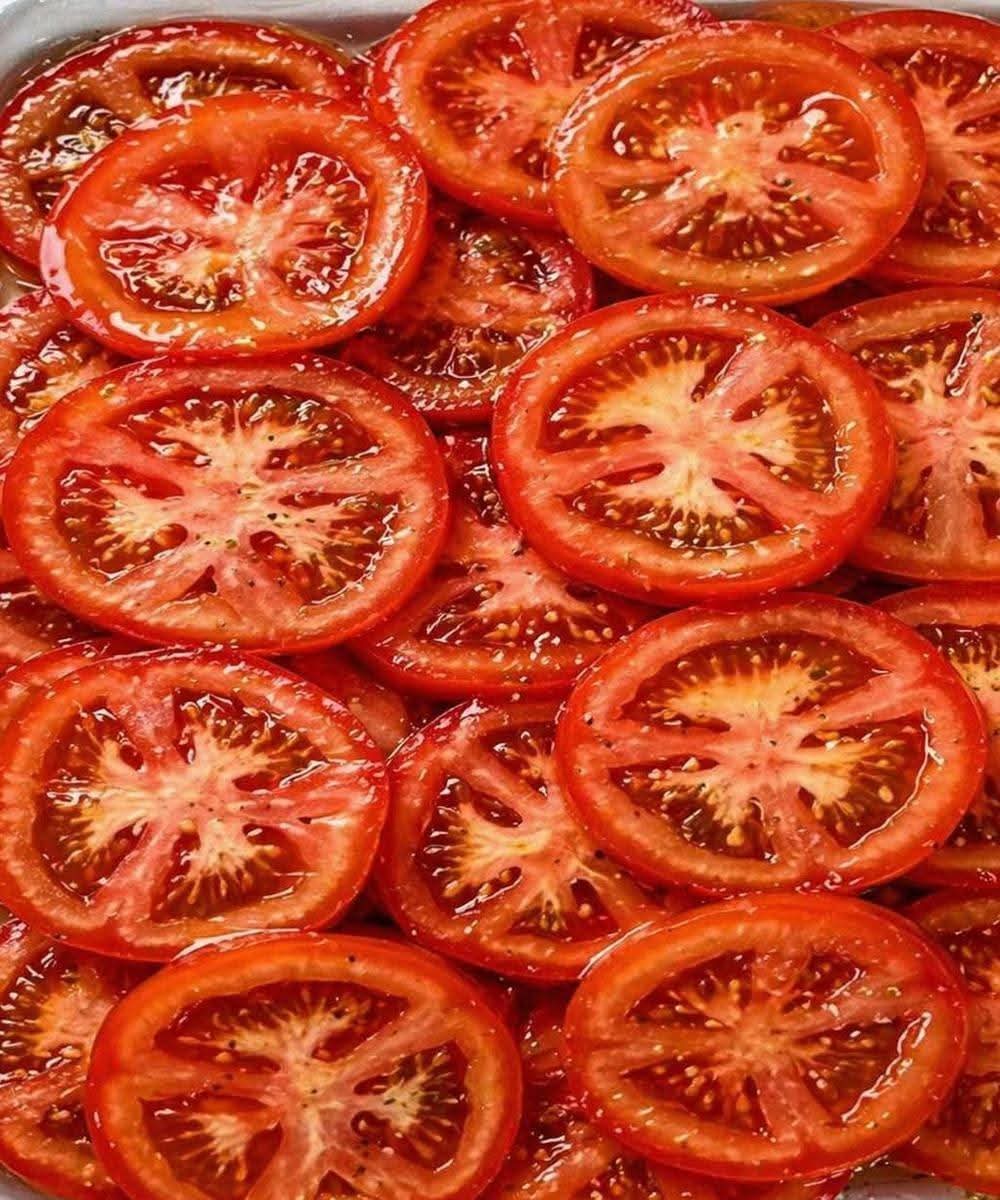
Tomatoes are one of the most familiar foods in kitchens around the world. They are bright, juicy, naturally flavorful, and remarkably versatile. They can be eaten fresh in salads, cooked into sauces, roasted with herbs, blended into soups, added to sandwiches, or preserved for later use. The image above shows beautifully sliced tomatoes, highlighting their vibrant red color, juicy texture, seeds, and delicate inner structure.
Although tomatoes are commonly treated as a vegetable in cooking, botanically they are fruits. Whatever we choose to call them, their nutritional value makes them an excellent addition to a balanced eating pattern. Tomatoes provide vitamin C, potassium, folate, fiber, and several beneficial plant compounds. One of the most famous of these compounds is lycopene, a carotenoid responsible for much of the tomato’s red color.
This article explores the nutritional qualities of tomatoes, their potential health benefits, the differences between fresh and cooked tomatoes, practical preparation methods, storage advice, recipe ideas, and important considerations when using preserved tomato products.
What Makes Tomatoes So Special?
Tomatoes belong to the nightshade family, along with foods such as peppers, eggplants, and potatoes. They come in countless varieties, including large beefsteak tomatoes, Roma tomatoes, cherry tomatoes, grape tomatoes, heirloom varieties, and smaller salad tomatoes.
Their flavor can range from sweet to tangy, depending on the variety and ripeness. A ripe tomato contains a high percentage of water, which makes it refreshing while keeping its calorie content relatively low.
One of the most interesting features of tomatoes is their combination of nutrients and plant compounds. They contain vitamin C and other antioxidants, but they are especially recognized for lycopene.
Lycopene is a carotenoid rather than a traditional vitamin. It contributes to the red-orange color of many fruits and vegetables and has antioxidant properties. Research has investigated lycopene in relation to cardiovascular health, skin health, and other aspects of human health, although eating tomatoes should not be considered a treatment for disease.
Tomato Nutrition at a Glance
Tomatoes are generally low in calories while providing several important nutrients.
A typical serving can contribute:
- Vitamin C
- Potassium
- Folate
- Vitamin K
- Fiber
- Water
- Lycopene
- Beta-carotene and other carotenoids
- Various polyphenols and plant compounds
The exact nutritional composition varies according to the tomato variety, size, ripeness, and preparation method.
Fresh tomatoes are particularly useful for people looking for flavorful foods that can add volume and moisture to meals without contributing large amounts of calories.
- Tomatoes Provide Vitamin C
Vitamin C is an essential nutrient that the body needs for normal immune function, collagen production, wound healing, and protection of cells from oxidative stress.
Tomatoes are not the richest source of vitamin C compared with foods such as certain peppers or citrus fruits, but they can still make a useful contribution when eaten regularly.
Because tomatoes are commonly consumed in salads, sandwiches, sauces, and cooked dishes, they can become an easy everyday source of vitamin C.
A simple tomato salad with cucumber, herbs, olive oil, and a protein-rich food can be an especially practical meal component.
- They Are a Source of Lycopene
Lycopene is perhaps the most widely discussed compound found in tomatoes.
It is a carotenoid with antioxidant activity. The amount of lycopene can vary among tomato varieties, and processing can affect how much lycopene is available for absorption.
Interestingly, cooking tomatoes can increase the bioavailability of lycopene because heat changes the structure of the food matrix. Adding a modest amount of fat, such as olive oil, may also help the body absorb fat-soluble carotenoids.
This does not mean raw tomatoes are inferior. Fresh tomatoes provide vitamin C, water, fiber, and other compounds, and they are an excellent food in their own right.
The practical lesson is simple: enjoy tomatoes in both fresh and cooked forms.
- Tomatoes Can Support a Heart-Healthy Eating Pattern
A balanced diet rich in vegetables and fruits is associated with better cardiovascular health. Tomatoes can contribute to this type of eating pattern because they provide potassium, fiber, carotenoids, and other plant compounds.
Potassium plays an important role in normal muscle and nerve function and helps maintain fluid balance. Adequate potassium intake is also part of healthy dietary patterns associated with blood-pressure management.
However, tomatoes themselves should not be presented as a cure for high blood pressure or heart disease. A person’s overall diet, physical activity, sleep, genetics, medications, and medical conditions all matter.
Instead of relying on one “miracle” food, think of tomatoes as one useful ingredient in a broader heart-conscious diet.
- They Can Add Fiber to Your Diet
Fiber is important for digestive health and contributes to feelings of fullness.
Tomatoes contain dietary fiber, with more fiber found when the skin and pulp are consumed. Although tomatoes alone may not provide all the fiber a person needs, they can contribute to daily intake when combined with beans, lentils, whole grains, vegetables, fruits, nuts, and seeds.
Eating a tomato whole rather than removing every part also makes the meal more satisfying and reduces unnecessary food waste.
- Tomatoes Add Hydration
Tomatoes contain a large amount of water. This contributes to their juicy texture and makes them a refreshing ingredient, particularly during warm weather.
Hydrating foods can complement drinking water throughout the day. However, tomatoes should not replace normal fluid intake.
Try adding sliced tomatoes to a lunch plate with cucumber, lettuce, olives, and a source of protein for a naturally refreshing meal.
- They Contain Potassium
Potassium is an essential mineral involved in normal nerve signaling, muscle contraction, and fluid balance.
Tomatoes can contribute potassium to the diet, although the amount depends on serving size and variety.
People with certain kidney conditions may need to monitor potassium intake and should follow individualized advice from a healthcare professional. More potassium is not automatically better for everyone.
- Tomatoes Can Be Useful for Weight-Conscious Meals
Fresh tomatoes are relatively low in calories and high in water. This combination makes them useful for people who want meals that are filling and flavorful without relying heavily on calorie-dense ingredients.
For example, instead of making a sandwich with a very large amount of cheese or mayonnaise, you can add generous tomato slices, lettuce, cucumber, and other vegetables.
A bowl of tomatoes, beans, greens, herbs, and a modest amount of olive oil can provide plenty of volume and flavor.
The goal is not to eat tomatoes alone. The goal is to use them to make balanced meals more enjoyable.
Fresh Tomatoes vs. Cooked Tomatoes
A common question is whether tomatoes are healthier raw or cooked.
The answer is that both can have a place in a healthy diet.
Benefits of Fresh Tomatoes
Fresh tomatoes provide:
- Water
- Vitamin C
- Fiber
- Lycopene
- Carotenoids
- Fresh flavor and texture
They are excellent in salads, sandwiches, wraps, salsas, and simple side dishes.
Benefits of Cooked Tomatoes
Cooking tomatoes can soften the plant tissue and increase the amount of lycopene that is available for absorption.
Tomato sauces, soups, stews, and roasted tomatoes can therefore be nutritious ways to enjoy them.
However, commercial tomato products can contain substantial amounts of added salt or sugar, so labels are worth checking.
The best approach is variety: eat tomatoes raw sometimes and cooked at other times.
How to Prepare Tomatoes Properly
The tomatoes in the image appear to be sliced and coated with a glossy liquid, suggesting they could be part of a marinated, seasoned, or preserved preparation.
If you are preparing fresh tomatoes at home, begin by washing them under clean running water.
Simple Preparation Method
Step 1: Choose ripe tomatoes
Select tomatoes that are firm but not rock-hard. They should have good color and smell pleasantly tomato-like.
Avoid tomatoes with extensive mold, deep cracks, or obvious spoilage.
Step 2: Wash them
Rinse tomatoes under running water before cutting.
Do not use soap or household cleaning products on food.
Step 3: Remove the stem
Cut away the stem area if necessary.
Step 4: Slice
Use a clean knife to cut tomatoes into rounds, wedges, or chunks.
For the presentation shown in the image, medium-thick rounds work particularly well.
Step 5: Season
Tomatoes can be seasoned simply with:
- Extra-virgin olive oil
- Fresh herbs
- Black pepper
- A small amount of salt
- Garlic
- Onion
- Lemon juice or vinegar
A little seasoning can dramatically enhance tomato flavor.
A Simple Marinated Tomato Recipe
The glossy tomato slices shown above can inspire a very easy marinated tomato dish.
Ingredients
- 5–6 ripe tomatoes
- 3 tablespoons extra-virgin olive oil
- 1 tablespoon lemon juice or vinegar
- 1 small garlic clove, finely minced
- 1 tablespoon chopped parsley or basil
- A small amount of salt
- Black pepper to taste
- Optional: thinly sliced onion
- Optional: a pinch of dried oregano
Instructions
Wash and dry the tomatoes thoroughly.
Slice them into rounds and arrange them on a serving plate.
In a small bowl, combine olive oil, lemon juice or vinegar, garlic, herbs, black pepper, and a modest amount of salt.
Pour the dressing over the tomato slices.
Allow the tomatoes to rest for approximately 15–30 minutes so the flavors can combine.
Serve as a side dish, appetizer, or topping for toasted bread.
For food safety, keep prepared tomatoes refrigerated when they will not be eaten promptly.
Roasted Tomatoes for a Deeper Flavor
Roasting transforms tomatoes.
The water gradually evaporates while the natural sugars and flavors become more concentrated.
To make simple roasted tomatoes, slice tomatoes and place them on a baking tray. Add a small amount of olive oil, garlic, oregano, basil, or thyme. Roast until the edges become tender and slightly caramelized.
Roasted tomatoes can be served with:
- Eggs
- Grilled chicken
- Fish
- Beans
- Rice
- Pasta
- Toast
- Couscous
- Salads
They can also be blended into a homemade sauce.
Homemade Tomato Sauce
Tomatoes are the foundation of countless sauces.
A simple homemade sauce can be prepared by gently cooking chopped tomatoes with onion, garlic, olive oil, and herbs.
Start by sautéing onion and garlic in a small amount of olive oil. Add chopped ripe tomatoes and allow the mixture to simmer until it thickens.
Add herbs such as basil, oregano, parsley, or thyme.
The result can be used with pasta, rice, vegetables, eggs, meat, or legumes.
Homemade sauce also gives you control over the amount of salt and added sugar.
Tomatoes and Olive Oil: A Classic Combination
Tomatoes and olive oil are a popular combination for both culinary and nutritional reasons.
Olive oil adds richness and helps carry fat-soluble flavors. Because lycopene is fat-soluble, consuming tomatoes with some dietary fat can support carotenoid absorption.
This does not mean that large quantities of oil are necessary.
A small amount can be enough to create a flavorful dressing.
Try sliced tomatoes with olive oil, basil, black pepper, and a little vinegar for a simple Mediterranean-inspired side dish.
Tomatoes for Breakfast
Tomatoes are not limited to lunch and dinner.
They can be part of breakfast as well.
Try them:
- Alongside scrambled eggs
- On whole-grain toast
- In an omelet
- With avocado
- In a vegetable breakfast bowl
- With beans
- In shakshuka-style dishes
Their acidity and freshness can balance richer foods.
Tomatoes in Salads
One of the easiest ways to enjoy tomatoes is in a salad.
Combine sliced tomatoes with cucumber, onion, parsley, olives, and a simple olive-oil dressing.
Another option is tomato, basil, and fresh cheese.
For a more substantial salad, add chickpeas, lentils, tuna, chicken, eggs, or another protein source.
The result is a meal that combines vegetables with protein and healthy fats.
Tomatoes and Skin Health
Tomatoes contain compounds that have been studied for their potential relationship with skin health.
Lycopene and other carotenoids have antioxidant properties, and research has investigated whether tomato-derived compounds may offer some protection against oxidative stress caused by environmental factors such as ultraviolet radiation.
However, eating tomatoes does not replace sunscreen.
If you spend time outdoors, appropriate sun protection remains important.
A healthy diet can support normal skin function, but no single food can prevent sunburn or eliminate the effects of excessive sun exposure.
Tomatoes and Eye Health
Tomatoes contain carotenoids, including beta-carotene, that contribute to normal nutritional support.
A varied diet containing colorful vegetables and fruits is generally a good strategy for obtaining a wide range of nutrients associated with eye health.
Tomatoes should be considered part of this dietary variety rather than a treatment for vision problems.
If you experience persistent changes in vision, eye pain, flashes, sudden floaters, or other concerning symptoms, professional medical evaluation is important.
Are Tomato Seeds Safe to Eat?
Yes. For most people, tomato seeds are perfectly edible.
There is no need to remove tomato seeds simply because they are seeds.
The seeds are surrounded by juicy pulp and contribute to the tomato’s texture and flavor.
Some recipes call for removing them because doing so produces a thicker sauce or a less watery salad. This is a culinary choice, not usually a health requirement.
What About Tomato Skin?
Tomato skin is edible and contributes fiber and plant compounds.
Unless a recipe specifically calls for peeled tomatoes, there is usually no need to remove the skin.
If you are making a smooth sauce, however, you may choose to peel or strain the tomatoes for texture.
Choosing the Best Tomatoes
When buying fresh tomatoes, consider the intended use.
For salads, choose flavorful ripe tomatoes with good texture.
For sauces, Roma or other paste-type tomatoes can work well because they tend to have a favorable flesh-to-water ratio.
Cherry and grape tomatoes are convenient for snacks and salads.
Heirloom tomatoes can offer unusual colors and flavors.
Whenever possible, choose tomatoes that are ripe and free from major bruising or mold.
How to Store Tomatoes
Tomatoes are often best stored at room temperature until fully ripe.
Refrigeration can slow ripening and may affect texture and flavor.
Once tomatoes are cut, they should be refrigerated in a clean, covered container and used within an appropriate period.
Never eat tomatoes that show significant mold, unusual sliminess, or a strong spoiled odor.
Tomato Safety and Special Considerations
Although tomatoes are nutritious, they are not suitable for absolutely every person in every form.
Some individuals experience discomfort from acidic foods. Tomatoes can aggravate symptoms for people who are sensitive to acidic or reflux-triggering foods.
People with food allergies should also avoid tomatoes if they have been medically advised to do so.
Certain medical conditions require individualized dietary advice, especially when potassium, sodium, or fluid intake needs to be controlled.
Preserved tomato products can also be much higher in sodium than fresh tomatoes.
For this reason, read labels on canned tomatoes, sauces, tomato paste, and prepared products.
The Difference Between Fresh and Preserved Tomatoes
Preservation makes tomatoes available throughout the year.
Canned tomatoes can be extremely useful for cooking. They can be added to soups, sauces, stews, beans, rice dishes, and casseroles.
Tomato paste is concentrated and provides intense flavor.
Sun-dried tomatoes have a very different nutritional profile because much of their water has been removed. They can be higher in calories and sodium depending on how they are prepared and packaged.
Pickled or marinated tomatoes can also contain significant amounts of salt.
Therefore, “tomato” does not automatically mean every tomato product has the same nutritional profile.
A Practical Tomato Meal Plan
If you want to eat more tomatoes, there is no need to make your diet complicated.
Breakfast
Whole-grain toast topped with sliced tomato, egg, herbs, and a little olive oil.
Lunch
A large salad containing tomatoes, cucumber, leafy greens, chickpeas, herbs, and a simple dressing.
Snack
Cherry tomatoes with hummus or another nutritious dip.
Dinner
A homemade tomato and vegetable sauce served with whole grains, pasta, beans, fish, chicken, or another protein source.
Evening
A small tomato-based vegetable soup can be a comforting option, particularly during cooler weather.
The goal is not to consume enormous quantities of tomatoes. Consistency and overall dietary variety matter much more.
Common Myths About Tomatoes
Myth 1: Tomatoes “detox” the body
The human body already has organs such as the liver and kidneys that perform essential waste-processing functions.
Tomatoes can be part of a nutritious diet, but they should not be marketed as a special detox treatment.
Myth 2: Tomatoes cure disease
No single food should be described as a cure for cancer, diabetes, heart disease, or other serious illnesses.
Tomatoes contain valuable nutrients and plant compounds, but medical conditions require appropriate evidence-based care.
Myth 3: You must remove tomato seeds
There is generally no reason to remove tomato seeds for health purposes.
Remove them when a recipe requires a different texture.
Myth 4: Cooked tomatoes are unhealthy
Cooking does not make tomatoes inherently unhealthy. In fact, cooking can increase the availability of lycopene.
Fresh tomatoes remain nutritious as well.
Myth 5: More tomatoes always means more health
A healthy diet is about balance and variety.
Eating huge quantities of one food is not necessary. Tomatoes should complement other vegetables, fruits, legumes, whole grains, nuts, seeds, and protein sources.
Ways to Eat More Tomatoes Every Week
Here are some simple ideas:
- Add tomato slices to sandwiches.
- Put cherry tomatoes into salads.
- Blend tomatoes into homemade soup.
- Add chopped tomatoes to scrambled eggs.
- Make fresh salsa.
- Roast tomatoes with herbs.
- Prepare a homemade tomato sauce.
- Add tomatoes to bean dishes.
- Serve tomatoes with grilled fish.
- Add tomato to wraps and flatbreads.
- Make a tomato and cucumber salad.
- Add tomatoes to couscous.
- Use tomato sauce in vegetable dishes.
- Add tomatoes to pasta.
- Prepare a simple tomato bruschetta.
These small changes can make a vegetable-rich eating pattern more enjoyable.
Why the Tomatoes in the Image Look So Appealing
The sliced tomatoes shown in the photograph demonstrate several qualities people often look for in a good tomato preparation: vibrant red color, juicy flesh, visible seeds, and a glossy surface.
The slices appear to be arranged closely together and coated with liquid, which could be oil, marinade, or another dressing.
This style of preparation is particularly attractive because tomatoes absorb flavors easily. Garlic, herbs, vinegar, lemon, olive oil, and spices can transform ordinary tomato slices into a flavorful side dish.
The key is to keep the preparation simple enough that the natural flavor of the tomatoes remains noticeable.
Final Thoughts
Tomatoes are much more than a colorful ingredient.
They are versatile, affordable in many markets, naturally hydrating, and capable of contributing important nutrients to a balanced diet. They provide vitamin C, potassium, fiber, carotenoids, and especially lycopene.
They can be enjoyed fresh, roasted, cooked into sauces, blended into soups, added to salads, or marinated with herbs and olive oil.
One of the biggest advantages of tomatoes is their flexibility. You do not need an elaborate recipe to enjoy them. A ripe tomato sliced with fresh herbs and a little olive oil can become a delicious side dish. A few chopped tomatoes can transform beans, eggs, rice, pasta, or vegetables. A homemade tomato sauce can become the foundation of an entire meal.
At the same time, it is important to keep health claims realistic. Tomatoes are nutritious, but they are not a miracle cure or a replacement for medical treatment. Their greatest value comes from being part of an overall eating pattern that includes a wide variety of vegetables, fruits, legumes, whole grains, healthy fats, and appropriate protein sources.
Whether you prefer them fresh and juicy, roasted until concentrated, simmered into a sauce, or marinated like the beautiful slices shown in the image, tomatoes deserve a regular place in many kitchens.
The simplest approach is often the best: choose ripe tomatoes, wash them well, prepare them with fresh ingredients, keep added salt and highly processed sauces moderate, and enjoy them as part of varied, balanced meals.
Frequently Asked Questions
Are tomatoes healthy to eat every day?
For most people, tomatoes can be safely included in a healthy diet every day. The important point is overall dietary variety rather than relying on tomatoes alone.
Is it better to eat tomatoes raw or cooked?
Both forms can be nutritious. Raw tomatoes provide vitamin C and other nutrients, while cooking can improve the availability of lycopene.
Can tomato seeds be eaten?
Yes. Tomato seeds are edible and are normally safe for most people.
Should tomatoes be refrigerated?
Whole, ripe tomatoes are generally best kept at room temperature for quality. Cut tomatoes should be refrigerated.
Can tomatoes help with hydration?
Because tomatoes contain a high proportion of water, they can contribute to overall fluid intake, although drinking water remains important.
Are tomatoes good for the heart?
Tomatoes can be part of a heart-healthy dietary pattern because they provide potassium, fiber, carotenoids, and other plant compounds. They should not, however, be considered a treatment for heart disease.
Can tomatoes help with weight management?
Their high water content and relatively low calorie density can make fresh tomatoes useful in balanced meals for people managing their weight.
Can people with sensitive stomachs eat tomatoes?
Some people find acidic foods uncomfortable, particularly if they experience reflux. Individual tolerance varies.
What is the healthiest way to prepare tomatoes?
There is no single healthiest method. Fresh tomatoes, lightly cooked tomatoes, roasted tomatoes, and homemade tomato sauces can all fit into a nutritious diet.
What makes tomato sauce healthier?
Making sauce at home allows you to control added salt, sugar, and oil while including other vegetables and herbs.
A Final Serving Idea
For a simple dish inspired by the photograph, arrange thick tomato slices on a plate. Add chopped basil or parsley, a little extra-virgin olive oil, freshly ground black pepper, minced garlic, and a small splash of lemon juice or vinegar. Allow the flavors to combine briefly before serving.
Pair the tomatoes with eggs, beans, grilled fish, chicken, whole-grain bread, or another source of protein for a more complete meal.
Simple food can be beautiful, flavorful, and nourishing—and tomatoes are one of the best examples of how little is sometimes needed to create something delicious.