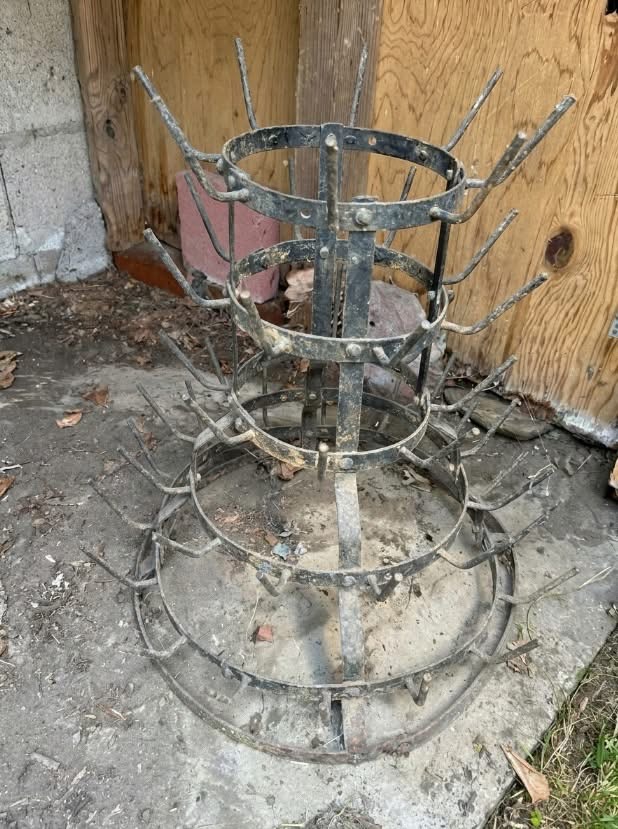
Oh, my dear friend, there is a very specific kind of magic that happens when you hold a heavy, cast-iron tool in your hands and realize it has been doing the exact same beautiful, useful work for over a hundred years.
At 73, living out here in my cozy farmhouse, I’ve learned that the best pieces of history aren’t kept behind glass in a museum; they are the ones we can still use, touch, and appreciate in our daily lives. Between keeping a watchful eye on my circulation, monitoring those sudden, unexplained purple blotches on my arms, and doing everything I can to keep my daily routines peaceful and grounded, I know one thing for certain: rushing through life with cheap, disposable gadgets is the absolute last thing our souls need.
So, I put the kettle on, brewed a soothing cup of my favorite chamomile tea, and reflected on a humble yet brilliant tool that embodies the quiet genius of our ancestors. It may have been invented long ago, but its purpose remains as relevant as ever.
What Is This Timeless Tool?
The tool I’m thinking of is the cast-iron skillet—a staple in kitchens for generations and a true workhorse of the household. It has a simple, honest design: a single piece of heavy, heat-retentive iron with a handle and a slightly curved cooking surface. It’s a tool that has been used to fry, bake, sear, and simmer for centuries, and it continues to be a beloved kitchen essential.
But beyond its everyday usefulness, the cast-iron skillet is a symbol of something deeper: the resourcefulness and practicality of a time when people valued quality over quantity, and longevity over disposability.
A History of Quiet Genius
The cast-iron skillet’s history is a testament to human ingenuity. Its design evolved over centuries, with early versions dating back to ancient China. The technology eventually made its way to Europe, and by the 18th century, cast-iron cookware had become a household staple.
The key to its genius is in its material and design.
Heat Retention: Cast iron is incredibly dense, which means it retains and distributes heat evenly. This makes it ideal for cooking everything from a perfectly seared steak to a golden, crispy cornbread.
Non-Stick Surface: Over time, with proper seasoning, cast iron develops a natural, non-stick surface that is free of synthetic chemicals. This seasoning creates a patina that improves with age and use.
Durability: A well-made cast-iron skillet can last for generations. It’s a tool that can be passed down through families, a silent witness to countless meals and family gatherings.
The Beauty of a Slower, Resourceful Life
The cast-iron skillet represents a way of life that values quality over convenience. It’s a tool that demands a little bit of care and attention, but rewards that effort with years of reliable service. In a world of plastic and disposable goods, the cast-iron skillet stands as a quiet reminder that the things we take care of are the things that take care of us.
Caring for It: A cast-iron skillet requires seasoning, a simple process of coating it with oil and heating it to create that non-stick patina. It also needs to be hand-washed and dried thoroughly to prevent rust. This small, mindful ritual connects us to the past, to the simple act of caring for the things that feed us.
Using It: From a hearty breakfast of fried eggs to a rustic apple crisp, the cast-iron skillet is endlessly versatile. It’s a tool that encourages us to cook from scratch, to take our time, and to savor the process of nourishing ourselves and our loved ones.
A Gentle Reflection
Holding a well-seasoned cast-iron skillet in your hands, you can feel the weight of history, of countless meals shared, of laughter and love around the table. It’s a reminder that the best tools are the ones that have stood the test of time, the ones that have become a part of our stories. In a world that often feels overwhelming, the quiet wisdom of the cast-iron skillet is a gentle invitation to slow down, to savor the moment, and to appreciate the simple, enduring treasures in our lives.