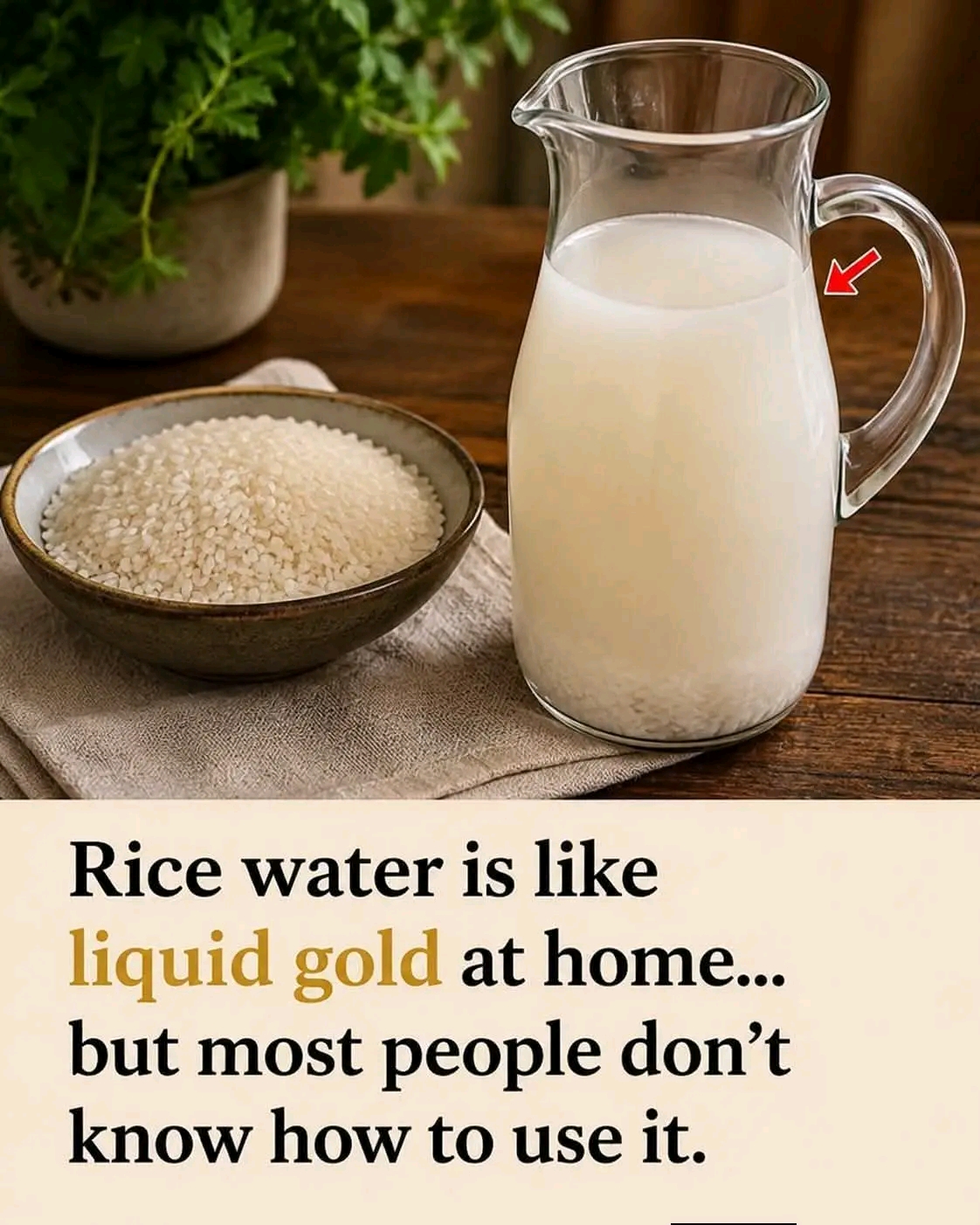
Rice Water: The Ancient Home Remedy and Nourishing Drink – A Complete Guide with Recipe, Benefits, History, and Nutrition
Introduction
Rice water is one of the oldest and most treasured natural remedies in the world. For thousands of years, families across Asia, Africa, and many other regions have relied on this humble preparation for both culinary and wellness purposes. Although many people simply pour rice water down the drain while washing rice, this nutrient-rich liquid has remarkable uses that have been passed down through generations.
Rice water is the cloudy liquid left behind after soaking, rinsing, or boiling rice. It contains starch, vitamins, minerals, amino acids, and plant compounds that dissolve naturally from the rice grains into the water. These nutrients make rice water useful in cooking, beauty care, gardening, and even traditional home remedies.
Today, rice water has become increasingly popular thanks to social media and growing interest in natural living. People use it as a refreshing drink, a base for soups, a gentle digestive aid, a hair rinse, a facial toner, and even a fertilizer for plants.
This comprehensive guide explores everything you need to know about preparing rice water safely and effectively. Whether you are looking for a healthy homemade beverage, a traditional wellness recipe, or simply a way to reduce kitchen waste, rice water offers an inexpensive and environmentally friendly solution.
—
Ingredients
Basic Rice Water
– 1 cup uncooked white rice
– 4 cups clean drinking water
Optional Ingredients for Drinking
– 1 teaspoon honey
– Juice of half a lemon
– 1 teaspoon grated fresh ginger
– Cinnamon stick
– Mint leaves
– Pinch of sea salt
– Vanilla extract
– Brown sugar
– Coconut water
– Fresh orange slices
—
Equipment Needed
– Large bowl
– Fine mesh strainer
– Saucepan (if boiling)
– Glass jar
– Wooden spoon
– Measuring cups
– Airtight container
– Refrigerator
—
Choosing the Best Rice
Different rice varieties produce slightly different rice water.
White Rice
Produces mild, smooth rice water perfect for drinking and cooking.
Brown Rice
Contains more fiber and nutrients but creates a stronger flavor.
Jasmine Rice
Offers a delicate floral aroma.
Basmati Rice
Produces a lighter, fragrant rice water.
Short-Grain Rice
Creates thicker rice water because it releases more starch.
Organic rice is recommended whenever possible to reduce pesticide exposure.
—
Method 1: Soaking Method
1. Measure one cup of rice.
2. Rinse quickly to remove dirt.
3. Place rice into a large bowl.
4. Add four cups of fresh water.
5. Stir gently for one minute.
6. Allow the rice to soak for 30–45 minutes.
7. Stir once more.
8. Strain the liquid into a clean container.
Your rice water is now ready.
—
Method 2: Boiling Method
1. Add one cup rice to six cups water.
2. Bring to a boil.
3. Cook until rice becomes tender.
4. Strain the excess liquid.
5. Cool completely.
Boiled rice water is thicker and contains more starch.
—
Method 3: Fermented Rice Water
1. Prepare rice water using the soaking method.
2. Leave it covered at room temperature for 24–48 hours.
3. Once slightly sour, refrigerate immediately.
Fermentation increases beneficial compounds and creates a stronger aroma.
—
Instructions for Drinking Rice Water
Serve chilled or warm.
You may enjoy it plain or flavor it with:
– Honey
– Lemon
– Ginger
– Mint
– Cinnamon
– Fresh fruit
Drink one small glass daily.
—
Cooking Tips
– Always use clean drinking water.
– Avoid over-fermenting.
– Refrigerate after preparation.
– Consume within three days.
– Shake before serving.
—
History
Rice water has a fascinating history stretching back thousands of years.
Ancient civilizations discovered that the cloudy liquid remaining after washing or cooking rice contained valuable nutrients.
In China, rice water became a traditional wellness drink.
Japanese communities famously used rice water for beautiful hair and healthy skin.
Throughout India, rice water has been consumed during hot weather to maintain hydration and soothe digestion.
Many African households continue using rice water in soups and traditional recipes.
Modern scientific research has renewed interest in this ancient practice.
—
Health Benefits
Supports Hydration
Rice water provides fluids and electrolytes that help maintain hydration.
Gentle on the Stomach
Traditionally used after stomach discomfort because it is mild and easy to digest.
Source of Energy
Natural carbohydrates provide quick energy.
Supports Recovery
Often consumed after illness due to its gentle nature.
May Help Digestion
The starch may soothe the digestive tract.
Rich in Plant Nutrients
Contains small amounts of B vitamins, amino acids, and minerals depending on the rice used.
Budget Friendly
Requires only rice and water.
Reduces Food Waste
Makes use of something often discarded.
—
Beauty Uses
Many people also use rice water externally.
Hair Rinse
May leave hair feeling smoother and shinier.
Facial Toner
Can refresh skin after cleansing.
Hand Soak
Softens dry skin.
Foot Bath
Provides a soothing soak after a long day.
—
Household Uses
Rice water can also be used:
– As plant fertilizer
– For compost
– In homemade cleaning routines
– For pet care (consult a veterinarian before dietary use)
—
Flavor Variations
Lemon Rice Water
Bright and refreshing.
Honey Rice Water
Naturally sweet.
Ginger Rice Water
Warm and comforting.
Cinnamon Rice Water
Perfect during cooler months.
Mint Rice Water
Cooling and refreshing.
Coconut Rice Water
Tropical flavor.
—
Storage
Refrigerate immediately.
Store in glass containers.
Best consumed within 2–3 days.
Discard if it develops an unpleasant smell or mold.
—
Common Mistakes
– Using dirty rice without rinsing
– Leaving fermented rice water too long
– Forgetting refrigeration
– Using contaminated containers
– Drinking spoiled rice water
—
Serving Suggestions
Rice water pairs well with:
– Fresh fruit
– Light soups
– Steamed vegetables
– Rice dishes
– Grilled chicken
– Fish
– Salads
– Whole-grain bread
—
Formation
Rice water forms when starch granules, vitamins, minerals, proteins, and tiny plant compounds naturally dissolve into the surrounding water. Agitation during soaking or boiling releases additional nutrients, giving the liquid its characteristic cloudy appearance. Fermentation further changes the composition by encouraging beneficial microorganisms that create organic acids and alter the flavor.
—
Why People Love Rice Water
People appreciate rice water because it is:
– Affordable
– Easy to prepare
– Naturally gluten-free
– Versatile
– Refreshing
– Sustainable
– Rooted in tradition
– Useful for cooking and beauty
Its simplicity makes it accessible to nearly every household around the world.
—
Nutritional Information (Approximate Per 1 Cup)
– Calories: 20–40
– Carbohydrates: 5–9 g
– Protein: Less than 1 g
– Fat: 0 g
– Fiber: Trace
– Sodium: Very low
– Potassium: Small amount
– Magnesium: Small amount
– B Vitamins: Trace amounts
Nutritional values vary depending on the rice variety, preparation method, and concentration.
—
Frequently Asked Questions
Can I drink rice water every day?
Most healthy adults can enjoy moderate amounts as part of a balanced diet.
Can children drink rice water?
Plain, freshly prepared rice water has traditionally been used in many cultures, but consult a healthcare professional for infants or children with medical conditions.
Can I freeze rice water?
Yes. Freeze in small portions and thaw in the refrigerator before use.
Which rice makes the best rice water?
White rice produces a mild flavor, while brown rice provides a nuttier taste and slightly different nutrient profile.
—
Conclusion
Rice water proves that simple kitchen ingredients can have many valuable uses. Whether enjoyed as a light beverage, used in recipes, applied as part of a beauty routine, or repurposed for gardening, this traditional preparation reflects generations of practical knowledge and resourcefulness.
By preparing rice water with clean ingredients and storing it properly, you can enjoy an economical, sustainable, and versatile addition to your household. Instead of pouring this nutrient-rich liquid away, transform it into something useful that supports healthy cooking habits and reduces waste.
From ancient traditions to modern kitchens, rice water continues to demonstrate why some of the most valuable home remedies are also the simplest.
—
Why Rice Water Has So Many Lovers
Rice water has loyal fans across cultures because it is inexpensive, easy to prepare, and incredibly versatile. Home cooks value it for reducing waste, health-conscious individuals appreciate its gentle nature, and those interested in natural beauty often include it in their hair and skincare routines. Its long history, practical uses, and simple preparation have helped rice water remain a cherished tradition that continues to be shared from one generation to the next.