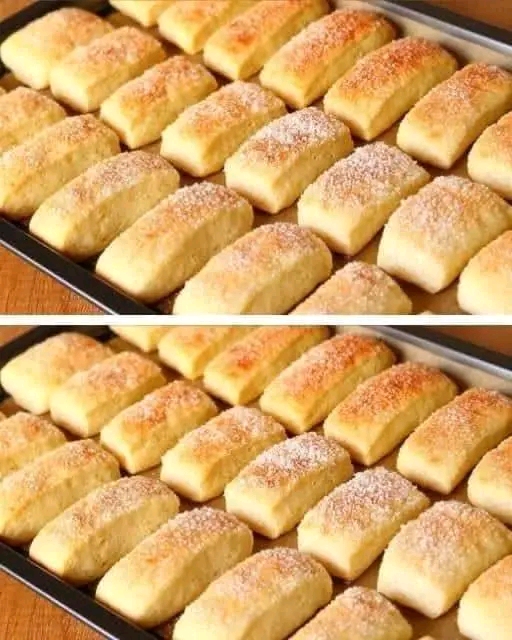
Yeast Dough Cookies – A Soft, Fluffy, and Traditional Homemade Treat
Yeast dough cookies are one of the most comforting and traditional baked treats found in many cultures around the world. Unlike regular cookies that rely mainly on baking powder or baking soda for leavening, yeast dough cookies use active yeast to create a soft, airy, rich, and lightly chewy texture. These cookies combine the comforting qualities of bread and pastries with the sweetness and flavor of classic homemade cookies.
They are perfect for holidays, tea time, family gatherings, celebrations, and cozy afternoons when the smell of warm butter, sugar, and yeast fills the kitchen. Yeast dough cookies can be simple and lightly sweet or rich and filled with jam, nuts, cinnamon, chocolate, or fruit preserves. Their versatility makes them suitable for both rustic homemade baking and elegant dessert platters.
In many European, Middle Eastern, and Eastern European baking traditions, yeast dough cookies are treasured recipes passed down through generations. Grandmothers and home bakers often prepare these cookies during festive seasons because yeast dough creates a luxurious texture that feels comforting and special.
This complete guide explores everything about yeast dough cookies, including a detailed recipe, ingredients, baking methods, history, benefits, flavor variations, shaping techniques, storage instructions, nutrition, and expert baking tips. Whether you are a beginner or an experienced baker, this recipe will help you create bakery-style yeast dough cookies that are soft, flavorful, and unforgettable.
—
Introduction
Cookies are among the most beloved baked desserts in the world. They come in countless textures and flavors, from crisp butter cookies to chewy chocolate chip cookies and delicate sandwich cookies. Yeast dough cookies stand apart because of their unique texture and preparation method.
The use of yeast transforms ordinary cookie dough into something softer, lighter, and richer. The fermentation process develops deeper flavor while creating a tender interior. These cookies often resemble miniature pastries because they combine the softness of sweet bread with the convenience and sweetness of cookies.
Yeast dough cookies can be:
Rolled and cut
Filled and folded
Twisted into shapes
Braided
Coated in sugar
Glazed or frosted
They are ideal for:
Breakfast treats
Afternoon tea
Holiday platters
Dessert tables
Homemade gifts
Their comforting aroma and delicate texture make them universally loved.
—
What Are Yeast Dough Cookies?
Yeast dough cookies are cookies made using baker’s yeast instead of chemical leavening agents alone. The yeast ferments sugars in the dough, producing carbon dioxide that causes the dough to rise and become soft and airy.
Unlike traditional crunchy cookies, yeast cookies are:
Tender
Slightly fluffy
Rich
Soft inside
Golden outside
They can be flavored with:
Vanilla
Cinnamon
Citrus zest
Nutmeg
Almond extract
Chocolate
Fruit fillings
The dough often contains:
Butter
Eggs
Milk
Sugar
Flour
Yeast
This enriched dough creates cookies with incredible depth of flavor.
—
Ingredients for Yeast Dough Cookies
Dry Ingredients
4 cups all-purpose flour
2¼ teaspoons active dry yeast
½ teaspoon salt
½ cup granulated sugar
—
Wet Ingredients
1 cup warm milk
½ cup unsalted butter, softened
2 large eggs
1 teaspoon vanilla extract
—
Optional Flavor Additions
1 teaspoon lemon zest
1 teaspoon orange zest
½ teaspoon cinnamon
¼ teaspoon nutmeg
½ teaspoon almond extract
—
Optional Fillings
Fruit jam
Sweetened cream cheese
Chocolate spread
Cinnamon sugar
Chopped nuts
Raisins
Poppy seed filling
—
Optional Toppings
Powdered sugar
Sugar glaze
Melted chocolate
Crushed nuts
Honey drizzle
—
Equipment Needed
Large mixing bowls
Measuring cups and spoons
Electric mixer or wooden spoon
Baking sheets
Rolling pin
Pastry brush
Parchment paper
Cooling rack
—
Step-by-Step Instructions
Step 1 – Activate the Yeast
In a small bowl, combine:
Warm milk
Yeast
1 tablespoon sugar
Let sit for 5–10 minutes until foamy.
This step confirms the yeast is active and ready to use.
Important: The milk should be warm, not hot. Excessive heat kills yeast.
Ideal temperature: 105°F–110°F (40°C–43°C).
—
Step 2 – Prepare the Dough
In a large mixing bowl, combine:
Flour
Remaining sugar
Salt
Add:
Activated yeast mixture
Butter
Eggs
Vanilla extract
Mix until a soft dough forms.
If dough feels sticky: Add flour gradually.
If too dry: Add a little warm milk.
—
Step 3 – Knead the Dough
Transfer dough onto a lightly floured surface.
Knead for 8–10 minutes until:
Smooth
Elastic
Soft
Kneading develops gluten, creating structure and softness.
The dough should spring back gently when pressed.
—
Step 4 – First Rise
Place dough into a greased bowl.
Cover with:
Plastic wrap or
Clean kitchen towel
Let rise in a warm place for 1–2 hours until doubled in size.
This fermentation stage develops flavor and texture.
—
Step 5 – Shape the Cookies
Punch down dough gently.
Roll out dough to about ¼-inch thickness.
Now shape cookies using different methods.
—
Popular Shaping Methods
1. Classic Round Cookies
Cut circles using a cookie cutter or glass.
—
2. Twisted Knots
Roll dough into strips and twist into knots.
—
3. Filled Crescents
Add filling and fold into crescent shapes.
—
4. Spirals
Spread cinnamon sugar and roll tightly.
Slice into pinwheels.
—
5. Braided Cookies
Braid thin dough strips for elegant presentation.
—
Step 6 – Second Rise
Place shaped cookies onto lined baking sheets.
Cover lightly and let rise for 20–30 minutes.
This second rise makes cookies lighter and fluffier.
—
Step 7 – Prepare for Baking
Preheat oven to 350°F (175°C).
Optional: Brush cookies with:
Egg wash or
Melted butter
This creates beautiful golden color.
—
Step 8 – Bake
Bake for 12–18 minutes until:
Light golden brown
Puffy
Soft
Avoid overbaking to maintain tenderness.
—
Step 9 – Cool and Decorate
Transfer cookies to cooling rack.
Decorate with:
Powdered sugar
Vanilla glaze
Chocolate drizzle
Nuts
Serve warm or cooled.
—
Methods Behind Yeast Dough Cookies
Fermentation Method
Yeast consumes sugars and releases carbon dioxide.
This process:
Creates rise
Adds flavor
Improves texture
—
Kneading Method
Kneading develops gluten structure.
Benefits:
Better elasticity
Softer texture
Improved rise
—
Double Rise Technique
The first rise develops flavor.
The second rise creates lighter cookies.
Skipping the second rise can result in dense texture.
—
History of Yeast Dough Cookies
Yeast baking has ancient origins dating back thousands of years. Early civilizations discovered that fermented dough produced lighter and tastier bread.
Over time, bakers began enriching dough with:
Butter
Eggs
Honey
Sugar
This led to sweet yeast pastries and cookies.
In Eastern Europe and Central Europe, yeast-based sweets became extremely popular during holidays and celebrations.
Countries known for yeast cookie traditions include:
Poland
Germany
Austria
Hungary
Russia
Many families still prepare these cookies using traditional recipes passed through generations.
—
Why Yeast Dough Cookies Are Special
Unlike ordinary cookies, yeast dough cookies offer:
Rich aroma
Deep flavor
Tender texture
Bakery-style softness
The fermentation process gives them complexity that standard cookies often lack.
Their balance between bread and pastry makes them unique and satisfying.
—
Flavor Variations
1. Cinnamon Sugar Yeast Cookies
Add cinnamon filling before rolling dough.
Result: Warm, sweet, comforting flavor.
—
2. Lemon Vanilla Cookies
Add:
Lemon zest
Extra vanilla
Creates bright, refreshing taste.
—
3. Chocolate-Filled Cookies
Fill with:
Chocolate spread
Chocolate chips
Cocoa filling
Perfect for dessert lovers.
—
4. Nut-Filled Cookies
Use:
Walnuts
Pecans
Almonds
Adds crunch and richness.
—
5. Jam-Filled Cookies
Popular fillings:
Raspberry
Strawberry
Apricot
Fruit adds sweetness and moisture.
—
6. Coconut Yeast Cookies
Add shredded coconut into dough or filling.
Creates tropical flavor.
—
Texture and Formation
The texture of yeast dough cookies depends on several factors.
Flour
Higher protein flour creates more structure.
—
Butter
Adds softness and richness.
—
Eggs
Provide:
Color
Structure
Moisture
—
Fermentation
Longer fermentation develops:
Flavor
Tenderness
—
Baking Time
Short baking:
Softer cookies
Long baking:
Drier texture
—
Benefits of Homemade Yeast Dough Cookies
1. Fresh Ingredients
Homemade baking avoids unnecessary preservatives.
—
2. Better Flavor
Fresh butter and yeast create richer taste.
—
3. Customizable Sweetness
You control sugar levels.
—
4. Family Tradition
These cookies are wonderful for family baking.
—
5. Comfort Food
Warm yeast pastries provide emotional comfort and nostalgia.
—
Nutritional Information
Approximate per cookie:
Calories: 180
Carbohydrates: 24g
Protein: 4g
Fat: 7g
Sugar: 8g
Values vary depending on fillings and toppings.
—
Serving Suggestions
Yeast dough cookies pair beautifully with:
Drinks
Coffee
Tea
Hot chocolate
Milk
Cappuccino
—
Side Additions
Fruit preserves
Honey
Whipped cream
Fresh berries
—
Holiday Uses
These cookies are perfect for:
Christmas
Easter
Family celebrations
Weddings
Religious holidays
Their elegant appearance makes them festive and beautiful.
—
Storage Instructions
Room Temperature
Store in airtight container:
Up to 4 days
—
Refrigerator
Store up to:
1 week
Warm slightly before serving.
—
Freezing
Freeze baked cookies up to:
3 months
Wrap tightly to prevent freezer burn.
—
Expert Baking Tips
Use Fresh Yeast
Expired yeast may not rise properly.
—
Avoid Overheating Milk
Hot liquid kills yeast.
—
Measure Flour Carefully
Too much flour creates dense cookies.
—
Allow Enough Rising Time
Rushing fermentation affects texture.
—
Do Not Overbake
Yeast cookies should remain soft.
—
Common Mistakes and Solutions
Dough Not Rising
Cause: Inactive yeast.
Solution: Use fresh yeast and warm liquids.
—
Cookies Too Dense
Cause: Too much flour or insufficient rise.
Solution: Knead properly and allow full fermentation.
—
Dry Cookies
Cause: Overbaking.
Solution: Reduce baking time slightly.
—
Sticky Dough
Cause: Too much liquid.
Solution: Add flour gradually.
—
Decorating Ideas
Powdered Sugar Dusting
Simple and elegant.
—
Vanilla Glaze
Mix:
Powdered sugar
Milk
Vanilla
Drizzle over cooled cookies.
—
Chocolate Drizzle
Adds rich flavor and bakery appearance.
—
Nut Topping
Sprinkle chopped nuts before baking.
—
Making Yeast Dough Cookies for Large Gatherings
These cookies are ideal for:
Bake sales
Parties
Family reunions
Dessert platters
The dough can easily be doubled or tripled.
—
Kid-Friendly Baking Activity
Children enjoy:
Rolling dough
Cutting shapes
Twisting dough
Adding fillings
Decorating
This makes yeast cookie baking a fun family activity.
—
Traditional Cultural Importance
In many cultures, yeast-based sweets symbolize:
Hospitality
Celebration
Comfort
Family connection
They are often served to guests during important occasions.
Homemade yeast cookies represent warmth and generosity.
—
Comparing Yeast Dough Cookies to Regular Cookies
Regular Cookies
Faster preparation
Crisp or chewy texture
Chemical leavening
—
Yeast Dough Cookies
Longer preparation
Softer texture
Fermented flavor
Rich aroma
Many bakers appreciate yeast cookies for their bakery-style quality.
—
Advanced Variations
Filled Rolls
Roll dough with filling and slice.
—
Braided Sweet Cookies
Elegant braided shapes for celebrations.
—
Fruit and Nut Spirals
Combine dried fruits and nuts for texture.
—
Cream Cheese Swirls
Rich and creamy filling variation.
—
Seasonal Flavor Ideas
Autumn
Cinnamon
Nutmeg
Pumpkin spice
—
Winter
Vanilla
Chocolate
Peppermint glaze
—
Spring
Lemon
Orange zest
Berry jam
—
Summer
Coconut
Tropical fruit fillings
Honey glaze
—
Why People Love Yeast Dough Cookies
People adore yeast dough cookies because they are:
Soft
Rich
Comforting
Traditional
Beautifully aromatic
Their texture feels luxurious while remaining homemade and rustic.
The balance of sweetness and buttery flavor makes them universally appealing.
—
Conclusion
Yeast dough cookies are a timeless homemade treat that combines the softness of sweet bread with the sweetness and charm of classic cookies. Their rich aroma, fluffy texture, and endless flavor possibilities make them a treasured recipe in kitchens around the world.
Whether shaped into spirals, crescents, knots, or filled pastries, these cookies bring warmth and comfort to every table. The process of kneading, rising, shaping, and baking creates not only delicious desserts but also meaningful memories with family and friends.
From simple vanilla yeast cookies dusted with powdered sugar to elegant jam-filled spirals drizzled with glaze, these treats are versatile enough for holidays, tea parties, breakfast tables, and special celebrations.
By following the techniques, tips, and methods in this complete guide, you can confidently create bakery-quality yeast dough cookies at home. Their delicate texture, buttery flavor, and comforting sweetness ensure they remain one of the most beloved traditional baked treats for generations to come.