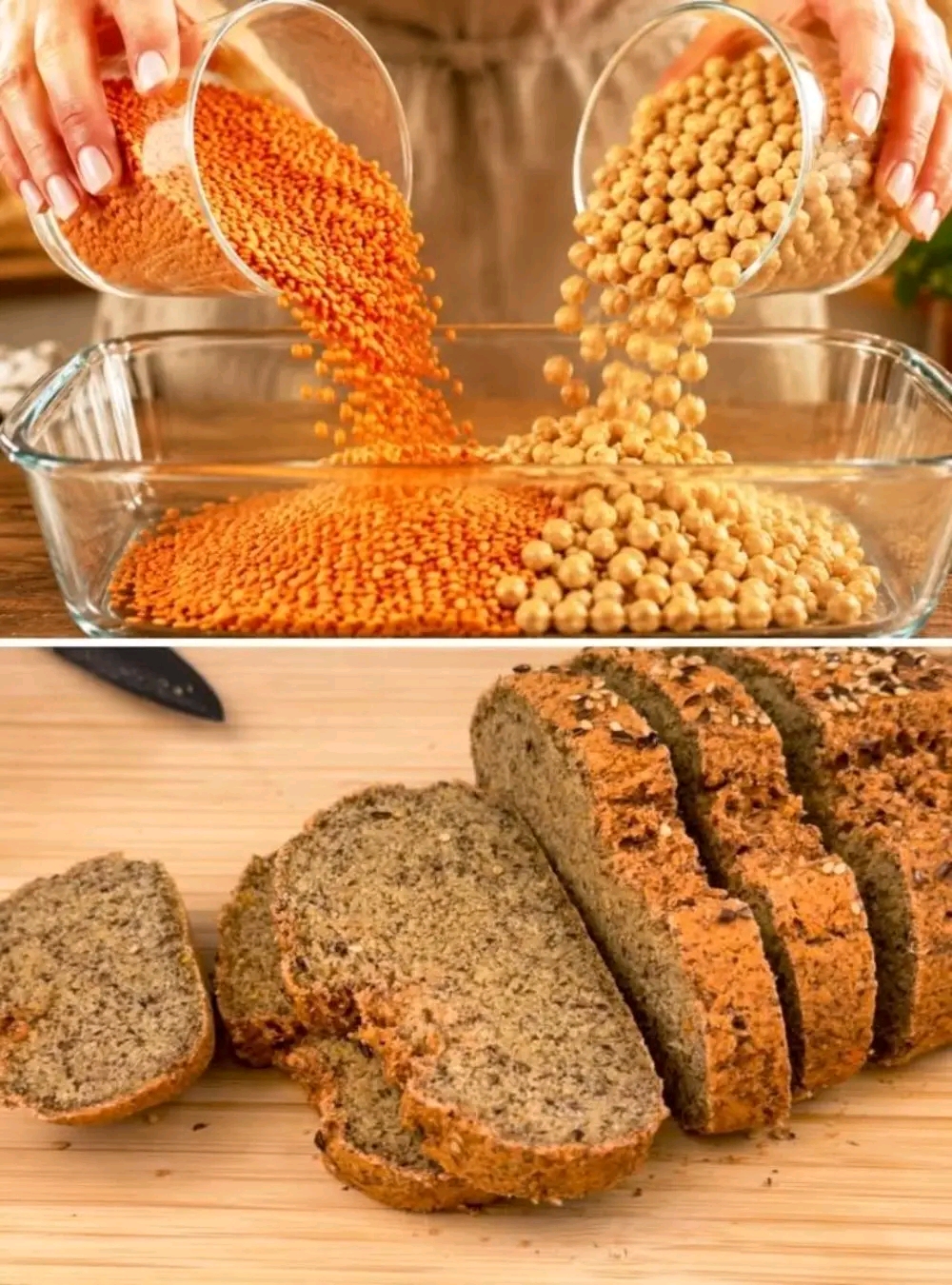
Chickpea and Lentil Bread
Introduction
Chickpea and lentil bread is a hearty, nutritious, protein-rich bread made from wholesome legumes instead of relying only on traditional wheat flour. This rustic bread combines the earthy flavor of lentils with the nutty richness of chickpeas to create a loaf that is satisfying, healthy, and deeply comforting. Across many cultures, legumes have long been used in cooking because they are affordable, filling, and packed with nutrients. When transformed into bread, they create a unique texture that is dense yet soft, flavorful yet mild enough to pair with many dishes.
This bread is perfect for people looking for a healthier alternative to regular bread. It contains plant-based protein, dietary fiber, vitamins, and minerals that help support energy, digestion, and overall wellness. Chickpea and lentil bread can be enjoyed for breakfast, lunch, dinner, or as a snack. It pairs beautifully with soups, stews, salads, roasted vegetables, cheese, dips, and spreads.
Unlike highly processed white bread, this recipe focuses on natural ingredients and slow preparation methods that allow the flavors to deepen. The combination of legumes gives the bread a golden color and rich aroma while also creating a pleasantly moist crumb. It is especially popular among vegetarians, vegans, athletes, and anyone seeking more nutritious homemade foods.
This recipe will guide you through every detail needed to make a delicious loaf from scratch while also exploring its history, health benefits, preparation techniques, and nutritional value.
—
Ingredients
Main Ingredients
1 cup dried chickpeas
1 cup dried red lentils or brown lentils
2 cups whole wheat flour
1 cup all-purpose flour
2 teaspoons active dry yeast
1 tablespoon honey or maple syrup
1½ teaspoons salt
2 tablespoons olive oil
1½ cups warm water
1 teaspoon cumin powder
1 teaspoon garlic powder
½ teaspoon black pepper
1 teaspoon paprika
2 tablespoons sesame seeds
2 tablespoons sunflower seeds
1 tablespoon flaxseeds
Optional Ingredients
Fresh rosemary
Chopped parsley
Chili flakes
Pumpkin seeds
Oats for topping
Crushed walnuts
—
Equipment Needed
Large mixing bowl
Food processor or blender
Bread loaf pan
Wooden spoon
Kitchen towel
Baking tray
Cooling rack
—
Preparation of Chickpeas and Lentils
The legumes are the heart of this recipe, so proper preparation is important.
Step 1: Washing
Rinse the chickpeas and lentils thoroughly under cold water. Remove any damaged pieces or stones.
Step 2: Soaking
Place the chickpeas in a large bowl and soak overnight in water. Lentils usually need less soaking time, around 3–4 hours.
Soaking helps:
Soften the legumes
Improve digestion
Reduce cooking time
Enhance nutrient absorption
Step 3: Cooking
Drain the soaked legumes and cook them separately until tender.
Chickpeas: about 45–60 minutes
Lentils: about 20–30 minutes
Allow them to cool completely before blending.
—
Instructions
Step 1: Create the Legume Paste
Add the cooked chickpeas and lentils to a food processor. Blend until smooth. A slightly textured mixture is acceptable because it gives the bread a rustic feel.
Step 2: Activate the Yeast
In a small bowl:
Combine warm water
Honey or maple syrup
Yeast
Let it sit for 10 minutes until foamy.
Step 3: Mix the Dry Ingredients
In a large bowl combine:
Whole wheat flour
All-purpose flour
Salt
Cumin
Garlic powder
Paprika
Black pepper
Seeds
Mix thoroughly.
Step 4: Combine Ingredients
Add:
Legume paste
Yeast mixture
Olive oil
Mix until a sticky dough forms.
Step 5: Kneading
Transfer the dough onto a floured surface and knead for about 10 minutes.
The dough should become:
Smooth
Elastic
Slightly tacky
If needed, add small amounts of flour or water to balance the texture.
Step 6: First Rise
Place the dough in an oiled bowl. Cover with a towel and let rise for 1–2 hours in a warm place.
The dough should double in size.
Step 7: Shape the Dough
Punch down the dough gently and shape it into a loaf.
Place it into a greased bread pan or onto a baking tray.
Step 8: Second Rise
Cover again and allow it to rise for another 30–45 minutes.
Step 9: Baking
Preheat oven to 375°F (190°C).
Bake for:
35–45 minutes
The bread should:
Sound hollow when tapped
Have a golden crust
Smell rich and nutty
Step 10: Cooling
Allow the bread to cool on a rack before slicing.
This prevents the inside from becoming gummy.
—
Methods and Techniques
Traditional Baking Method
This method uses slow fermentation and hand kneading to develop deep flavor and proper texture.
Quick Rustic Method
The dough can also be made denser with less rising time for a more rustic village-style bread.
Skillet Bread Method
Instead of baking in the oven, smaller flat loaves can be cooked in a cast-iron skillet.
Steamed Bread Method
In some cultures, legume bread is steamed for a softer texture.
—
History of Chickpea and Lentil Bread
Legumes have been staples of human diets for thousands of years. Ancient civilizations across the Middle East, India, North Africa, and the Mediterranean relied heavily on chickpeas and lentils because they were nutritious, affordable, and easy to store.
Bread itself is one of humanity’s oldest foods. Early bakers often mixed crushed legumes with grains to increase nutrition and stretch flour supplies during difficult times.
Ancient Egypt
Egyptians were among the first to cultivate lentils and chickpeas extensively. These legumes were ground into flour and used in flatbreads.
Mediterranean Influence
Mediterranean cultures developed chickpea-based breads and pancakes. Many rustic recipes still survive today.
Indian Cuisine
Indian cooking frequently combines lentils with flour to create savory breads rich in spices and flavor.
North African Traditions
In North Africa, legumes are commonly used in soups, stews, and breads because they provide strength and nourishment.
Over time, modern health-conscious bakers rediscovered these ancient ingredients and transformed them into contemporary artisan breads.
—
Benefits of Chickpea and Lentil Bread
1. High in Plant Protein
Both chickpeas and lentils are excellent protein sources.
Protein helps:
Build muscles
Repair tissues
Maintain energy
2. Rich in Fiber
Fiber supports:
Healthy digestion
Better gut health
Longer fullness
3. Supports Heart Health
Legumes may help reduce bad cholesterol and support healthy blood circulation.
4. Stabilizes Blood Sugar
The slow-digesting carbohydrates help prevent sudden spikes in blood sugar.
5. Excellent for Vegetarians
This bread provides important nutrients often sought in plant-based diets.
6. Packed with Minerals
Contains:
Iron
Magnesium
Zinc
Potassium
7. Helps Weight Management
The high protein and fiber content keep people satisfied longer.
8. Natural Energy Source
Complex carbohydrates provide steady energy throughout the day.
9. Supports Immune Health
The vitamins and antioxidants in legumes help strengthen the immune system.
10. Affordable and Sustainable
Legumes are environmentally friendly and economical compared to many protein sources.
—
Formation and Texture
The formation of this bread depends heavily on hydration, kneading, and fermentation.
Dough Structure
The wheat flour provides gluten while the legumes contribute moisture and density.
Crumb Texture
The inside should be:
Soft
Slightly dense
Moist
Rustic
Crust Formation
The crust becomes golden and crisp during baking due to natural sugars and proteins.
Aroma Development
The combination of spices, legumes, and fermentation creates a warm earthy aroma.
—
Flavor Profile
Chickpea and lentil bread has:
Nutty notes
Earthy richness
Mild sweetness
Savory undertones
The spices enhance the flavor without overpowering the bread.
—
Serving Suggestions
Breakfast
Serve with:
Butter
Honey
Avocado
Eggs
Lunch
Pair with:
Soups
Salads
Hummus
Dinner
Excellent beside:
Stews
Curry dishes
Roasted vegetables
Snacks
Toast slices and top with:
Cheese
Nut butter
Yogurt spreads
—
Variations
Vegan Version
Use maple syrup instead of honey.
Gluten-Free Version
Replace wheat flour with:
Oat flour
Rice flour
Gluten-free flour blend
Herb Bread
Add rosemary, thyme, or basil.
Spicy Version
Include:
Jalapeños
Chili flakes
Cayenne pepper
Seeded Bread
Add:
Chia seeds
Pumpkin seeds
Hemp seeds
—
Storage Tips
Room Temperature
Store in an airtight container for 2–3 days.
Refrigeration
Keeps fresh for about one week.
Freezing
Slices can be frozen for up to 3 months.
—
Common Mistakes to Avoid
1. Undercooked Legumes
Hard legumes create unpleasant texture.
2. Too Much Flour
Excess flour makes the bread dry.
3. Skipping Rising Time
Fermentation improves flavor and texture.
4. Cutting Too Early
Hot bread may collapse if sliced immediately.
—
Nutrition Information
Approximate nutrition per slice:
Calories: 180–220
Protein: 8–10g
Carbohydrates: 28g
Fiber: 6–8g
Fat: 4–6g
Iron: 15% daily value
Magnesium: 12% daily value
Potassium: 10% daily value
These values vary depending on ingredients used.
—
Why People Love Chickpea and Lentil Bread
Many people appreciate this bread because it combines health and comfort in one recipe.
Fitness Enthusiasts
Athletes enjoy the protein-rich composition.
Families
Parents like serving nutritious homemade bread.
Vegetarians and Vegans
It offers satisfying plant-based nourishment.
Food Lovers
Its earthy aroma and rustic texture create a memorable eating experience.
Home Bakers
Bakers enjoy experimenting with ancient grains and legumes.
—
Cultural Appreciation
This bread reflects humanity’s long tradition of transforming simple ingredients into nourishing meals. Across cultures, bread represents warmth, hospitality, and survival. Chickpea and lentil bread honors these traditions while adapting them for modern kitchens.
—
Detailed Baking Tips
Use Warm Water Carefully
Water that is too hot can kill yeast.
Steam in the Oven
Adding a tray of water creates steam for a crisp crust.
Resting the Dough
Longer fermentation creates deeper flavor.
Brushing the Top
Brush olive oil on top before baking for shine and softness.
—
Pairing Ideas
This bread pairs wonderfully with:
Tomato soup
Lentil soup
Roasted garlic
Olive tapenade
Cream cheese
Herb butter
Chicken stew
Grilled vegetables
—
Conclusion
Chickpea and lentil bread is much more than a simple loaf. It is a celebration of wholesome ingredients, ancient traditions, and nourishing cooking. Combining the power of legumes with the comfort of freshly baked bread creates a food that is satisfying, flavorful, and deeply nutritious.
Its rich history connects modern kitchens to ancient civilizations that valued simple, sustaining ingredients. Today, this bread remains relevant because it meets the growing desire for healthier, protein-rich, and homemade foods.
Whether served warm beside soup, toasted for breakfast, or enjoyed as a hearty snack, chickpea and lentil bread offers comfort and nourishment in every slice. Its earthy flavor, rustic texture, and impressive nutritional profile make it a bread loved by families, bakers, and food enthusiasts around the world.
For anyone seeking a homemade bread that is unique, healthy, and deeply satisfying, chickpea and lentil bread is a wonderful recipe worth baking again and again.
—
Final Thoughts for Bread Lovers
Bread lovers appreciate recipes that feel authentic and nourishing, and chickpea and lentil bread delivers both beautifully. Every loaf tells a story of tradition, creativity, and care. The aroma filling the kitchen during baking creates warmth and anticipation, while the first slice reveals a soft, flavorful interior packed with goodness.
People who love rustic baking often treasure recipes like this because they combine simplicity with nutrition. The bread invites creativity through herbs, seeds, and spices while remaining deeply rooted in ancient culinary traditions.
From busy families to artisan bakers, many continue to embrace legume-based breads for their health benefits and comforting taste. Chickpea and lentil bread stands as a reminder that the best foods are often those made from humble ingredients transformed with patience and love.