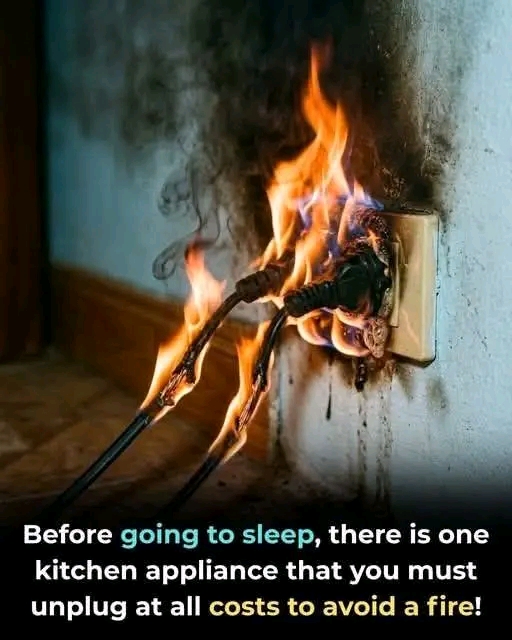
The Essential Guide to Kitchen Appliance Safety: Why You Must Unplug Before Going to Sleep
Introduction
The kitchen is often considered the heart of the home—a place where families gather, meals are prepared, and memories are made. However, it is also one of the most common areas where household fires originate. Electrical appliances, while convenient and essential, can pose significant fire risks if not handled properly.
One crucial safety practice that is often overlooked is unplugging kitchen appliances before going to sleep. This simple step can dramatically reduce the risk of electrical fires, protecting your home, your family, and your peace of mind.
In this comprehensive guide, we will explore why unplugging kitchen appliances is vital, the common causes of kitchen fires related to electrical devices, practical tips to enhance safety, and how to create a fire-safe kitchen environment.
The Importance of Unplugging Kitchen Appliances
Electrical Fires: A Hidden Danger
Electrical fires are a leading cause of home fires worldwide. According to fire safety organizations, a significant percentage of these fires start in the kitchen due to faulty wiring, overloaded outlets, or malfunctioning appliances.
Kitchen appliances such as toasters, coffee makers, microwaves, and slow cookers are often left plugged in overnight or when not in use. This practice increases the risk of electrical faults, overheating, and ultimately, fire.
Why Unplugging Matters
Unplugging appliances eliminates the flow of electricity, preventing potential electrical faults from escalating. Even when turned off, many appliances continue to draw power (known as “phantom load”), which can cause overheating if the device is faulty or the wiring is compromised.
By unplugging, you:
Remove the risk of electrical surges damaging the appliance or wiring.
Prevent overheating caused by internal faults.
Avoid accidental activation of appliances.
Reduce energy consumption and save on electricity bills.
Common Causes of Kitchen Appliance Fires
Understanding how kitchen fires start helps emphasize the importance of unplugging appliances.
1. Faulty Wiring and Outlets
Old or damaged wiring can cause sparks or short circuits. Overloaded outlets with multiple appliances plugged in increase the risk of overheating.
2. Malfunctioning Appliances
Appliances with internal defects, worn-out cords, or damaged plugs can overheat or spark, igniting nearby flammable materials.
3. Overheating
Appliances like toasters or coffee makers generate heat. If left unattended or plugged in for extended periods, they can overheat and cause fires.
4. Improper Use
Using appliances incorrectly, such as placing them near water or flammable items, increases fire risk.
5. Lack of Maintenance
Failure to clean or maintain appliances can lead to buildup of grease or dust, which are highly flammable.
Practical Safety Tips for Kitchen Appliances
Always Unplug Appliances When Not in Use
Make it a habit to unplug all kitchen appliances before going to bed or leaving the house. This simple step is your first line of defense against electrical fires.
Inspect Cords and Plugs Regularly
Check for frayed cords, exposed wires, or damaged plugs. Replace or repair faulty parts immediately.
Avoid Overloading Outlets
Use power strips with surge protectors and avoid plugging too many devices into one outlet.
Keep Appliances Away from Water and Flammable Materials
Ensure appliances are placed on dry surfaces and away from curtains, paper towels, or other flammable items.
Clean Appliances Regularly
Remove crumbs from toasters, clean coffee makers, and wipe down other appliances to prevent grease and dust buildup.
Use Appliances According to Manufacturer Instructions
Follow guidelines for safe operation, including recommended usage times and maintenance.
Install Smoke Detectors and Fire Extinguishers
Ensure your kitchen has working smoke detectors and a fire extinguisher rated for electrical fires.
Creating a Fire-Safe Kitchen Environment
Organize Your Kitchen
Keep cords untangled and away from heat sources. Store appliances properly when not in use.
Educate Family Members
Teach everyone in the household about the importance of unplugging appliances and fire safety protocols.
Develop an Emergency Plan
Have a clear plan for evacuation and fire response. Practice regularly with your family.
The Role of Technology in Enhancing Safety
Modern smart plugs and timers can automatically cut power to appliances at set times, reducing the risk of forgetting to unplug devices.
Conclusion
Unplugging kitchen appliances before going to sleep is a simple yet powerful habit that can prevent devastating fires. By understanding the risks, maintaining your appliances, and adopting safe practices, you protect your home and loved ones.
Make unplugging a nightly ritual and encourage your household to do the same. Safety starts with awareness and action.
For the Safety-Conscious Homeowner
If you value your home and family’s safety, this practice is non-negotiable. Share this knowledge, stay vigilant, and create a kitchen environment where safety and comfort coexist.