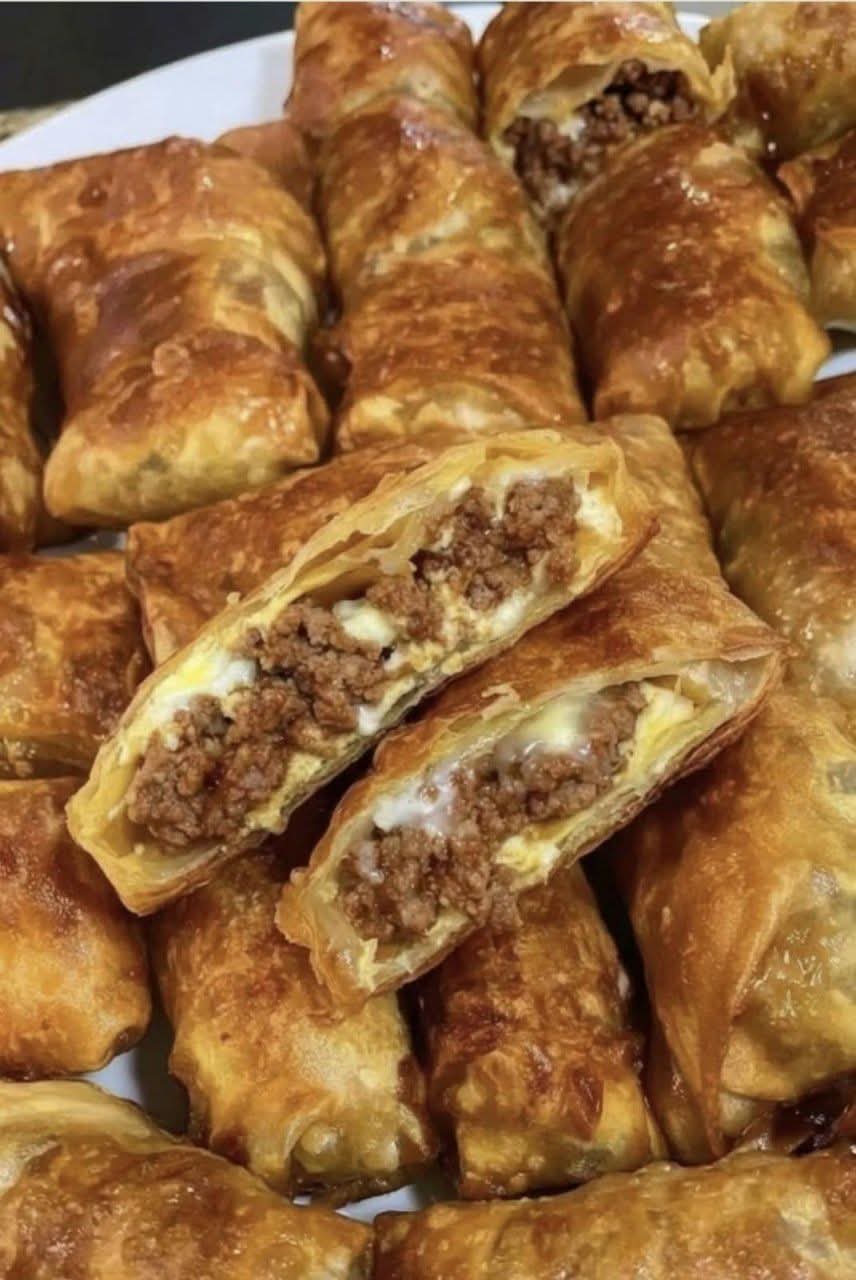
The Ultimate Guide to Egyptian Goulash (Gollash): Master the Art of Savory Phyllo Meat Pie
If you have ever crossed paths with Middle Eastern cuisine, you already know that it holds a masterclass in textures. Few dishes exemplify this better than Egyptian Goulash (often spelled Gollash or Golaš). Far from the soupy, paprika-laden Hungarian stew of a similar name, the Egyptian version is a magnificent, savory pastry.
Imagine layers upon layers of paper-thin phyllo dough, brushed with melted butter, encasing a deeply seasoned, aromatic ground beef filling. The entire assembly is drenched in a savory milk-and-egg custard before baking, resulting in a pie that boasts a shatteringly crisp golden crust on top and a soft, rich, melt-in-your-mouth interior.
Whether you are looking to recreate a beloved childhood comfort food, impress guests at a dinner party, or diversify your weeknight dinner rotation, this definitive guide will take you step-by-step through the history, the science of phyllo, the ultimate recipe, and the expert techniques needed to achieve goulash perfection.
Understanding the Egyptian Goulash Identity
To appreciate this dish, we must first clear up the common cross-cultural name confusion.
Egyptian Goulash vs. Hungarian Goulash
To the Western palate, “goulash” evokes images of a hearty, slow-cooked beef stew loaded with onions, potatoes, and Hungarian paprika. Egyptian goulash shares absolutely no culinary DNA with that stew. The word goulash in Arabic refers specifically to the sheets of phyllo pastry themselves or the pies made from them. It is part of a broader Mediterranean family of layered pastry dishes, sharing a close kinship with Turkish Borek and Greek Spanakopita.
The Role of Goulash in Egyptian Culture
In Egypt, goulash is a staple of celebratory feasts, particularly during the holy month of Ramadan, Eid celebrations, and family gatherings (Azeema). It sits proudly alongside dishes like Macarona Bechamel (Egyptian baked pasta) and Mahshi (stuffed vegetables). It is loved because it feeds a crowd easily, can be prepared in advance, and strikes a balance between rich, comforting indulgence and elegant presentation.
The Anatomy of the Perfect Savory Goulash
An exceptional goulash relies on the harmonious interplay of three distinct elements:
- The Pastry (Phyllo): The structural foundation. It must be handled with care to transition from delicate, easily torn sheets into a crispy, golden-brown architectural marvel.
- The Filling (Mفرومة – Mafroma): Traditionally made with ground beef (though lamb or a mix can be used). It is cooked down with finely minced onions and a signature blend of warm Middle Eastern spices.
- The Custard Soak: A mixture of milk, egg, salt, and black pepper. This liquid is poured over the sliced pastry before it enters the oven, seeping between the layers to create a soft, savory, pudding-like contrast to the crunchy top.
The Science of Phyllo Dough: Tips for Success
Phyllo (or filo) dough can be intimidating for home cooks. Because it contains virtually no fat and is rolled incredibly thin, it dries out and shatters within minutes of exposure to air. Understanding how to manage it is the secret to stress-free goulash making.
- Thaw Completely and Slowly: Never try to unroll a frozen package of phyllo; it will break into useless shards. Thaw it in its original plastic wrapping overnight in the refrigerator, then bring it to room temperature for 30–45 minutes on the counter before using.
- The Damp Towel Trick: Once you unroll the sheets on your workspace, immediately cover them with a sheet of wax paper or plastic wrap, followed by a damp (not soaking wet) clean kitchen towel. This traps the moisture and keeps the dough pliable while you assemble the pie.
- Embrace the Tears: If a sheet rips, do not panic. Phyllo is incredibly forgiving once baked. Simply piece the torn sheet together in the middle layers of your pan, brush it with butter, and keep moving. Save your cleanest, most intact sheets for the very top and very bottom layers.
Master Recipe: Classic Egyptian Beef Goulash
This recipe yields a standard 9 \times 13-inch baking pan, cutting into 12 to 15 generous squares.
Ingredients
For the Pastry & Assembly
- 1 package (16 oz / 454g) phyllo dough, thawed
- 3/4 cup (170g) unsalted butter, clarified butter (ghee), or a 50/50 mix of melted butter and olive oil
For the Meat Filling
- 1.5 lbs (680g) lean ground beef (85% or 90% lean)
- 2 large yellow onions, finely minced or grated
- 2 tablespoons olive oil or ghee
- 2 teaspoons salt
- 1 teaspoon freshly ground black pepper
- 1 teaspoon ground allspice
- 1/2 teaspoon ground cinnamon
- 1/4 teaspoon ground nutmeg
- Optional: 1/2 cup finely chopped bell peppers or 2 tablespoons tomato paste (for moisture and tang)
For the Custard Binder
- 1.25 cups whole milk
- 1 large egg
- 1/2 teaspoon salt
- 1/2 teaspoon black pepper
- 1/4 teaspoon baking powder (the secret to extra puffiness!)
Step-by-Step Instructions
Step 1: Prepare the Spiced Meat Filling
- Heat 2 tablespoons of olive oil or ghee in a large skillet over medium-high heat.
- Add the finely minced onions and sauté for 5–7 minutes until they become translucent and slightly golden around the edges.
- Add the ground beef to the skillet. Use a wooden spoon to break the meat apart into very fine crumbles.
- Once the meat has lost its pink color, stir in the salt, black pepper, allspice, cinnamon, and nutmeg. If you are using tomato paste or bell peppers, add them now.
- Reduce the heat to medium-low and let the mixture simmer for 15 minutes, allowing the flavors to fuse and any excess moisture from the beef and onions to evaporate. The filling should be moist but not watery or swimming in grease.
- Remove from the heat and set aside to cool slightly. Tip: Adjust seasonings to taste before removing from heat.
Step 2: Set Up Your Assembly Station
- Melt your butter or ghee in a microwave-safe bowl. Keep a pastry brush nearby.
- Unroll your thawed phyllo sheets on a clean surface and cover them with your plastic wrap and damp towel setup.
- Lightly brush the bottom and sides of a 9 \times 13-inch metal or ceramic baking pan with a generous layer of melted butter.
Step 3: Layer the Base Pastry
- Take one sheet of phyllo and lay it flat into the bottom of the prepared pan. If the sheet is larger than the pan, fold the excess edges inward.
- Use your pastry brush to lightly dab and sweep melted butter across the entire surface of the sheet. You don’t need to drench it, but ensure even coverage.
- Repeat this process, layering sheet by sheet and brushing each one with butter, until you have used exactly half of the phyllo package (usually about 10–12 sheets). This forms a sturdy, flaky foundation capable of holding the meat filling.
Step 4: Add the Filling
- Spread the cooked ground beef filling evenly over your layered phyllo base.
- Use the back of a spoon or a spatula to gently press the meat down, packing it slightly so it doesn’t spill out loosely when the finished pastry is cut.
Step 5: Layer the Top Pastry
- Place a fresh sheet of phyllo over the meat filling and brush it with butter.
- Continue layering the remaining sheets of phyllo, brushing each one with butter, just as you did for the base.
- For the final, top sheet, ensure it is one of your neatest pieces. Tuck any overhanging edges down into the sides of the pan using a butter knife for a clean, professional look. Brush the top sheet generously with the remaining butter.
Step 6: Pre-Cut the Goulash
- Crucial Step: Before baking, use a sharp chef’s knife to slice the goulash into your desired serving sizes (squares or diamonds). Cut all the way through to the bottom layer.
- Why do we do this? Phyllo becomes incredibly brittle once baked; trying to slice it after cooking will shatter the top crust completely. Furthermore, these cuts allow the custard liquid to penetrate deep into the center of the pie.
Step 7: Prepare and Pour the Custard
- In a measuring cup or medium bowl, whisk together the whole milk, egg, salt, black pepper, and baking powder until completely smooth.
- Pour the mixture evenly over the pre-cut goulash, ensuring the liquid flows into the cut lines and reaches the corners of the pan.
- Let the pan sit undisturbed on the counter for 10–15 minutes before baking. This gives the phyllo sheets a chance to absorb the milk mixture, ensuring a fluffy interior.
Step 8: Bake to Golden Perfection
- Preheat your oven to 375^\circ\text{F} (190^\circ\text{C}).
- Place the pan on the center rack and bake for 30–40 minutes.
- Watch for the top to turn a deep, golden-brown color, and the edges to puff up away from the sides of the pan. If the top is browning too fast before the center feels set, tent it loosely with aluminum foil for the last 10 minutes.
- Remove from the oven and let it rest for 10 minutes. This lets the custard finish setting and makes slicing much cleaner. Re-slice along your original cut lines and serve warm.
Gourmet Variations: Expanding Your Goulash Repertoire
While the ground beef variation is the undisputed king of the Egyptian table, the versatile nature of phyllo allows for endless creativity.
1. The Cheese and Herb Twist
If you want a vegetarian alternative or an extra-gooey side dish, swap the meat for a rich cheese blend. Combine crumbled Egyptian Feta cheese, Akkawi, or Ricotta with shredded Mozzarella, finely chopped fresh mint, parsley, and a pinch of black seed (Habbat al-Barakah). The result is a savory, salty, herb-forward pie that pairs beautifully with fresh salads.
2. Chicken and Mushroom Filling
For a lighter but equally savory profile, finely mince chicken breasts or thighs and sauté them with onions, garlic, sliced cremini mushrooms, and a touch of fresh thyme. Mix in a spoonful of cream cheese or bechamel sauce to bind the mixture before layering it into your pastry.
3. Basturma and Rumi Cheese (The Alexandrian Style)
Inspired by the coastal flavors of Alexandria, this variation features Basturma (highly seasoned, air-dried cured beef) layered with sharp, aged Egyptian Rumi cheese or Provolone, sliced black olives, and diced bell peppers. It is intensely savory, smoky, and packed with umami.
4. Sausage and Pepper Roll-Ups
Instead of layering the goulash flat in a pan, you can create individual logs or fingers. Roll spiced Egyptian Sujuk (sausage) cooked with bell peppers and onions inside individual sheets of buttered phyllo, brush with egg wash, and bake. This makes an excellent finger food for parties.
Comprehensive Troubleshooting Guide
Working with delicate pastry can sometimes throw curveballs. Here is how to diagnose and fix common goulash mishaps:
| Issue | Root Cause | Prevention & Fix |
|---|---|---|
| Soggy Bottom Crust | Too much custard liquid, or the filling was too watery. | Ensure the ground beef is well-drained and simmered until dry before assembly. Cook in a metal or dark-colored baking pan, which conducts heat better than heavy ceramic to crisp the bottom. |
| Top Layers Shattering | The pastry dried out during assembly, or it wasn’t cut before baking. | Always cover unused phyllo with a damp cloth. Never skip pre-cutting the squares down to the bottom before putting the pan in the oven. |
| Pastry Puffs Up Unevenly | The custard wasn’t distributed uniformly, or the layers lacked butter. | Take time to pour the milk-egg mixture evenly, tilting the pan so it settles into every crevice. Don’t skimp on brushing butter between individual sheets; butter creates the steam pockets needed for flakiness. |
| Dry, Leathery Middle Layers | Not enough custard or baked at too low a temperature. | Ensure you use whole milk for richness and let the assembled pan sit for 10 minutes to soak before baking. Bake at 375^\circ\text{F} to ensure rapid steam action. |
Prep-Ahead, Storage, and Reheating Strategies
One of the reasons Egyptian goulash is a favorite for entertaining is its incredible meal-prep versatility.
How to Make Ahead and Freeze
- Freezing Unbaked: You can assemble the entire goulash pie up to the point of adding the custard. Layer the pastry and meat, pre-cut your squares, wrap the pan tightly in plastic wrap, and then cover it with aluminum foil. Store in the freezer for up to 3 months. When ready to serve, thaw it overnight in the fridge, pour your fresh milk and egg custard over the top, and bake as directed.
- Freezing Baked: Let the baked goulash cool completely to room temperature. Wrap individual squares in plastic wrap and store them in a freezer-safe bag.
Storing Leftovers
Keep leftover baked goulash in an airtight container in the refrigerator for up to 4 days.
The Art of Reheating
Never use the microwave to reheat goulash if you want to preserve its textures! A microwave will turn the crispy top skin soggy and rubbery.
- The Oven Method (Best): Place the leftover squares on a baking sheet, tent loosely with foil to prevent drying out, and heat in a preheated 350^\circ\text{F} (175^\circ\text{C}) oven for 10–12 minutes. Remove the foil for the last 3 minutes to restore the top crust’s satisfying crunch.
- The Air Fryer Method (Fastest): Pop a piece of goulash into your air fryer at 340^\circ\text{F} (170^\circ\text{C}) for 4–5 minutes. It will crisp up beautifully, almost mimicking the texture of a freshly baked batch.
What to Serve with Egyptian Goulash
Goulash is a rich, satisfying dish that holds its own as a centerpiece, but it benefits greatly from bright, acidic, and fresh accompaniments to cut through the buttery layers.
1. Traditional Egyptian Salata Baladi
A rustic, refreshing salad made from diced tomatoes, crisp cucumbers, red onions, and bell peppers, tossed in a vibrant dressing of fresh lime juice, red wine vinegar, cumin, and plenty of fresh parsley. The sharp acidity cleanses the palate between rich bites of pastry.
2. Roasted or Grilled Meats
If you are serving goulash as part of a larger feast, it pairs wonderfully alongside charcoal-grilled Kofta (skewered minced meat), Shish Tawook (marinated chicken skewers), or a classic Egyptian roasted chicken seasoned with onion juice and allspice.
3. Creamy Yogurt Sauce (Dakka/Tzatziki style)
A cool sauce made from plain Greek yogurt, grated cucumber, minced garlic, lemon juice, and dried mint provides a creamy contrast that complements the warm spices of the ground beef filling.
The Ultimate Flavor Matrix: Perfecting Your Spice Blend
The heart and soul of Egyptian savory cooking lie in its delicate use of warm spices. Unlike some South Asian or North African cuisines that rely heavily on fiery chilies, Egyptian food focuses on deep, comforting aromatics.
If you want to elevate your goulash filling, try grinding your spices fresh. The combination of allspice, cinnamon, and nutmeg creates a subtle sweetness that balances the savory, fatty notes of the beef. If you can find Baharat (a generic Middle Eastern seven-spice blend) at a local international market, it makes a phenomenal shortcut substitute for the spice mix listed in the recipe.
Conclusion: Bringing the Flavor of Cairo Home
Mastering Egyptian goulash is less about rigid culinary rules and more about understanding the temperament of your ingredients. Once you respect the delicate nature of phyllo dough—keeping it moist while you work and painting it with butter—the process becomes a deeply satisfying, meditative ritual.
With its golden, crackling top layer, its savory, pillowy interior, and its deeply spiced meat filling, this dish is a testament to the timeless appeal of Egyptian home cooking. It is comfort food at its finest, wrapped in an elegant, golden-brown package. Bring this staple to your kitchen table, and enjoy a true taste of Mediterranean hospitality.