The Ultimate Guide to Crafting the Perfect Custard-Filled Brioche Buns
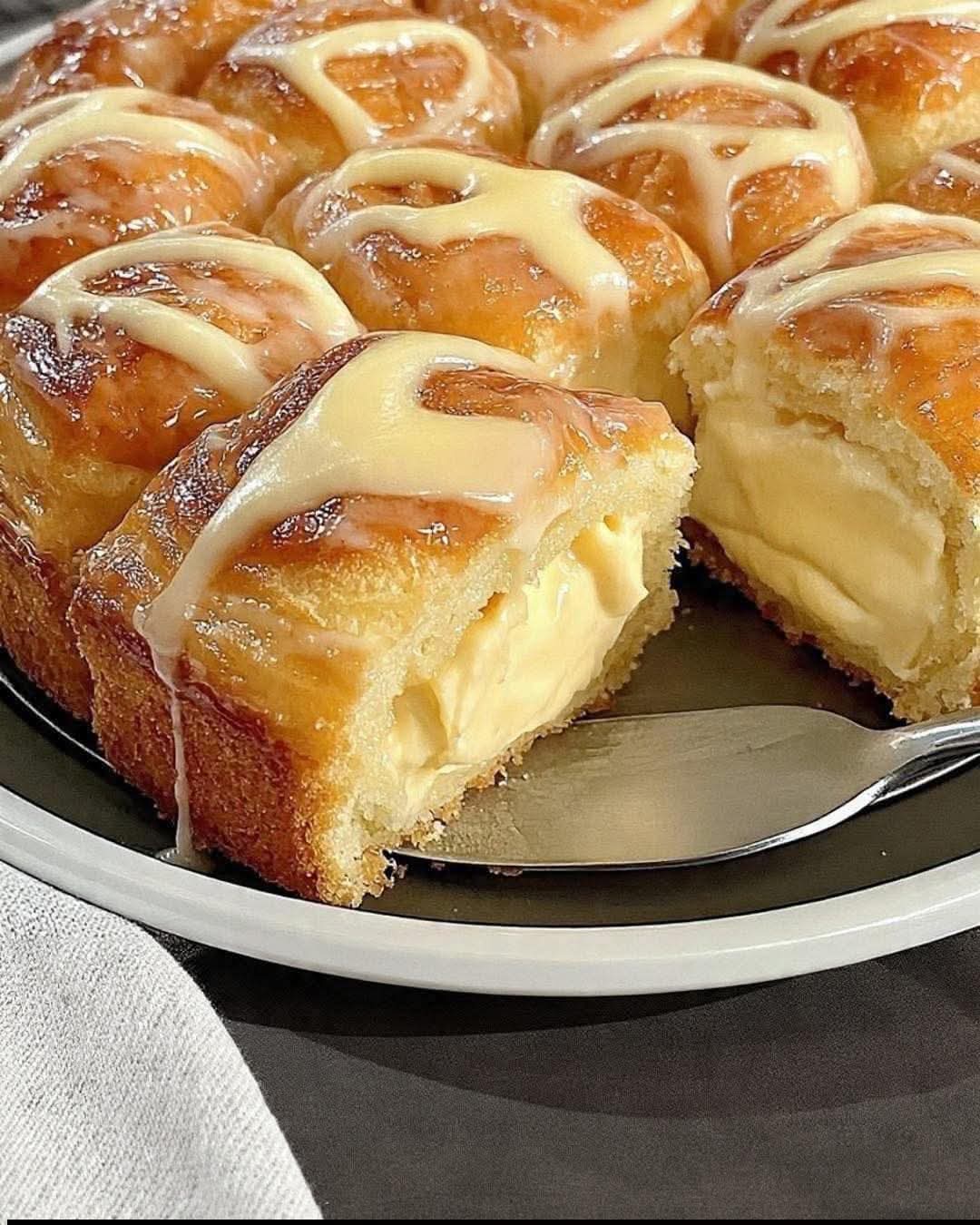
There is something inherently magical about the marriage of a pillowy, buttery brioche and a cool, velvety crème pâtissière. If you look at the decadence captured in 56557.jpg, you can see exactly why this pastry has become a global sensation. The golden-brown crust, the delicate drizzle of icing, and that generous, oozing heart of custard represent the pinnacle of home baking.
In this comprehensive guide, we will break down the science, the technique, and the secrets to recreating the masterpiece seen in 56557.jpg in your own kitchen.
Table of Contents
- The Anatomy of a Perfect Bun
- The Science of Brioche Dough
- Mastering the Crème Pâtissière
- Step-by-Step Instructions
- Troubleshooting Common Mistakes
- Storage and Reheating Tips
1. The Anatomy of a Perfect Bun
To achieve the results shown in 56557.jpg, one must understand the three critical components of the bake:
- The Dough: A high-fat, enriched yeast dough that provides a soft, pull-apart texture.
- The Filling: A thick, stable vanilla custard that doesn’t make the bread soggy.
- The Finish: A simple sugar glaze or fondant drizzle that adds a final punch of sweetness and a professional aesthetic.
As evidenced by the cross-section in 56557.jpg, the ratio of bread to filling is vital. You want enough bread to provide structure, but enough custard to ensure every bite is creamy.
2. The Science of Brioche Dough
Brioche is unique because of its high egg and butter content. Unlike standard lean doughs (like a baguette), brioche requires patience.
The Role of Gluten
Because butter coats the flour proteins, it can actually inhibit gluten development. This is why we knead the dough before adding the butter. You want to build a strong foundation so the dough can support the weight of the fat without collapsing.
Temperature Control
Your butter must be “pliable”—cool to the touch but soft enough to dent with a finger. If it’s too hot, it will melt into the dough and ruin the texture; if it’s too cold, it will remain in chunks.
3. Mastering the Crème Pâtissière
The filling seen in 56557.jpg is a classic pastry cream. To get that thick, pipeable consistency, you need to master the “temper.”
- Infusion: Heat your milk with vanilla until it almost simmers.
- The Liaison: Whisk egg yolks, sugar, and cornstarch until pale.
- Tempering: Slowly pour the hot milk into the egg mixture to raise the temperature without scrambling the eggs.
- The Thickening: Return the mix to the heat and whisk vigorously until it thickens into a glossy ribbon.
4. Step-by-Step Instructions
Phase 1: The Dough
- Mix: Combine flour, sugar, yeast, and salt. Add eggs and a splash of milk.
- Develop: Knead for 10 minutes until the dough is smooth.
- Incorporate: Add butter one tablespoon at a time. This is where the magic happens.
- Proof: Let it rise until doubled, then degas and chill overnight. Cold dough is much easier to shape.
Phase 2: Shaping and Baking
Divide the dough into equal portions (roughly 60g-80g each). Arrange them closely in a baking tin, much like the arrangement in 56557.jpg. This “pull-apart” style keeps the sides of the buns soft.
- Bake at 180°C (350°F) for 20-25 minutes until golden.
- Cool completely. If you fill a hot bun, the custard will melt and the bread will become gummy.
Phase 3: The Filling
Using a paring knife, poke a hole in the top or side of the bun. Fit a pastry bag with a plain tip and squeeze the custard in until you feel the bun expand in your hand. Finish with a drizzle of icing to replicate the look of 56557.jpg.
5. Troubleshooting Common Mistakes
Why are my buns dense?
Usually, this is due to “under-proofing.” Enriched doughs take longer to rise because the fat slows down the yeast. Give them the time they need!
Why did my custard leak?
If your custard is too thin, it will soak into the bread. Ensure you use enough cornstarch and allow it to boil for at least one minute to “cook out” the starch and set the proteins.
6. Storage and Reheating Tips
Because of the dairy in the custard, these buns must be stored in the refrigerator. However, cold brioche can feel stale.
- To Serve: Take the bun out of the fridge 30 minutes before eating to let the bread soften at room temperature.
- Longevity: These are best within 48 hours. After that, the moisture from the custard begins to migrate into the crumb.
By following these principles, your final product will look just as tempting as the buns in 56557.jpg. Happy baking!