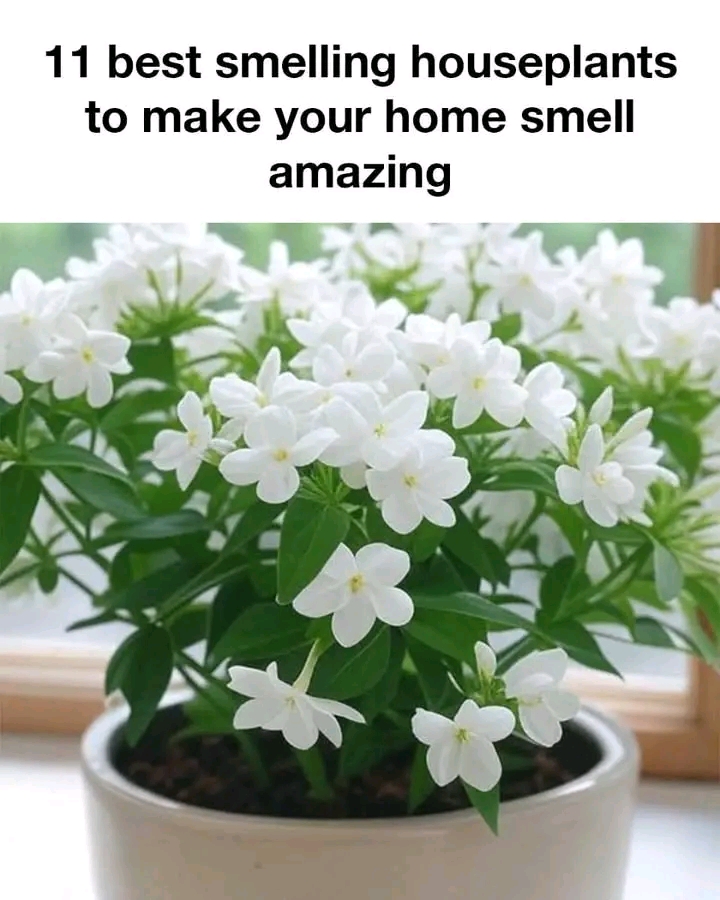
11 Best Smelling Houseplants to Transform Your Home into a Fragrant Sanctuary
The olfactory experience of a home is often the first thing a guest notices, yet it is frequently the most overlooked element of interior design. While many resort to synthetic candles, aerosol sprays, or plug-in diffusers, there is a more ancient, sophisticated, and health-conscious way to scent your living space: botanical aromatherapy.
Houseplants do more than just purify the air and provide visual serenity; certain species are natural “perfume factories,” releasing complex volatile organic compounds that can reduce stress, improve sleep, and create an atmosphere of luxury. From the heady, nocturnal musk of Jasmine to the bright, zesty zing of Citrus, choosing the right plant is like selecting a signature scent for your home.
In this comprehensive guide, we explore the 11 best smelling houseplants, the science behind their scents, and how to care for them so they bloom—and breathe—beautifully in your space.
1. Arabian Jasmine (Jasminum sambac)
The plant featured in the image, Arabian Jasmine, is arguably the gold standard of fragrant indoor plants. Unlike many other flowering plants that have a light, fleeting scent, Jasmine produces a rich, exotic, and sweet aroma that is highly concentrated.
The Olfactory Profile
Arabian Jasmine contains high levels of indole, a compound that gives the flower its characteristic “heavy” and sensual scent. It is most fragrant at night and in the early morning, making it the perfect plant for a bedroom or a quiet reading nook.
Care Essentials
- Light: Requires at least 6–8 hours of bright, indirect sunlight. A south-facing window is ideal.
- Water: Keep the soil consistently moist but never waterlogged.
- Pro-Tip: Frequent pruning encourages more “fruiting wood,” which means more flowers and more fragrance.
2. Gardenia (Gardenia jasminoides)
Often considered the “diva” of the houseplant world, the Gardenia is high-maintenance but offers a reward like no other: a scent that is creamy, peachy, and incredibly sophisticated.
The Olfactory Profile
The Gardenia scent is thick and velvety. It is a favorite in the high-end perfume industry because it is impossible to extract naturally in large quantities; owning the plant is the only way to experience the true, living fragrance.
Care Essentials
- Humidity: This is the deal-breaker. Gardenias need high humidity (60%+) to prevent bud drop. Use a humidifier or a pebble tray.
- Temperature: They prefer cool nights (around 15°C) and warm days.
3. Sweet Bay (Laurus nobilis)
Not all fragrant plants need flowers. The Sweet Bay is an architectural shrub with leaves that emit a savory, herbal, and slightly peppery aroma.
The Olfactory Profile
The scent is released when the leaves are brushed or crushed. It contains cineole, which provides a medicinal, refreshing air-clearing quality. Plus, you can use the leaves in your cooking!
4. Citrus Trees (Meyer Lemon & Calamondin Orange)
Citrus blossoms offer a “two-for-one” deal: the flowers smell like a heavenly blend of honey and orange, and the fruit provides a fresh, acidic zest.
The Olfactory Profile
Citrus scents are naturally uplifting. They are rich in limonene, which is scientifically proven to reduce anxiety levels. When a Meyer Lemon blooms indoors, the scent can easily fill an entire floor of a house.
Care Essentials
- Feeding: Citrus are heavy feeders. Use a specialized acidic fertilizer during the growing season.
- Pollination: Indoors, you may need to play the role of the bee by gently dabbing the center of flowers with a paintbrush to ensure fruit set.
5. Fragrant Tea Olive (Osmanthus fragrans)
While less common than Jasmine, the Tea Olive is a hidden gem in indoor gardening.
The Olfactory Profile
The scent is surprisingly fruity, often described as a mix of ripe apricots and peaches. It is powerful but never cloying, providing a clean, “orchard-fresh” vibe to a living room.
6. Scented Geraniums (Pelargonium)
Unlike common geraniums, scented varieties are grown for their foliage. Depending on the variety, they can smell like rose, lemon, apple, or even chocolate.
The Olfactory Profile
The scent is stored in tiny glandular hairs on the leaves. When the wind blows through an open window and hits the plant, or when you brush past it, the aroma is released. The “Attar of Roses” variety is a spectacular substitute for actual roses.
7. Eucalyptus (Eucalyptus gunnii)
For a modern, spa-like atmosphere, the Eucalyptus is unmatched. Its silver-blue foliage is as beautiful as its scent is therapeutic.
The Olfactory Profile
The scent is menthol-like, sharp, and incredibly refreshing. It is known for its ability to clear the sinuses and sharpen mental focus, making it the ultimate plant for a home office.
8. Stephanotis (Stephanotis floribunda)
Also known as Madagascar Jasmine, this climbing vine produces waxy white flowers that look as if they are carved from porcelain.
The Olfactory Profile
The scent is similar to Jasmine but with a cleaner, “greener” finish. It is a slow-release fragrance that lingers in the air for hours after the sun goes down.
9. Hoya (Hoya carnosa)
Hoya, or “Wax Plant,” is a favorite for those who want fragrance with minimal effort. Their umbrella-shaped flower clusters are stunning.
The Olfactory Profile
Most Hoyas are “night-scented.” During the day, they have no smell. At night, they release an aroma that ranges from chocolate and vanilla to spicy cinnamon.
10. Lavender (Lavandula angustifolia)
While typically an outdoor plant, certain varieties like French or English Lavender can thrive on a very sunny indoor windowsill.
The Olfactory Profile
Lavender is the king of relaxation. Its scent contains linalool, which acts on the nervous system to promote sleep and calm. Place this on a nightstand for the ultimate natural sleep aid.
11. Orchid (Oncidium ‘Sharry Baby’)
Most people don’t associate orchids with scent, but the ‘Sharry Baby’ variety is a legend among enthusiasts.
The Olfactory Profile
This specific orchid smells exactly like milk chocolate and vanilla. A single spike of blooms can scent a large room for weeks.
The Science of Scent: Why Plants Smell
Plants don’t produce fragrance for our benefit; it is a survival mechanism. Scent is used to attract pollinators (bees, moths, bats) or to deter predators. The reason some plants smell only at night is that they are looking to attract nocturnal pollinators like hawk moths. Understanding this helps you place your plants: night-scented plants belong in bedrooms, while day-scented citrus belongs in kitchens and sunrooms.
Maximizing Your Indoor Aroma
- Group for Impact: Placing three fragrant plants together creates a “scent zone.”
- Air Circulation: A gentle fan helps move the heavy perfume of plants like Jasmine throughout the house.
- Clean the Leaves: Dust blocks the stomata (pores) of the plant. A clean plant is a fragrant plant.
Conclusion
Transforming your home into a fragrant sanctuary is a journey of trial and error. You may find the intensity of a Gardenia too much, or the subtle herbal notes of a Bay tree just right. By incorporating these 11 plants, you aren’t just decorating; you are creating a living, breathing environment that nurtures your senses and elevates your daily life.
Which scent profile fits your home? If you love the exotic, start with the Arabian Jasmine. If you prefer the fresh and clean, go for the Eucalyptus. Your nose will thank you.