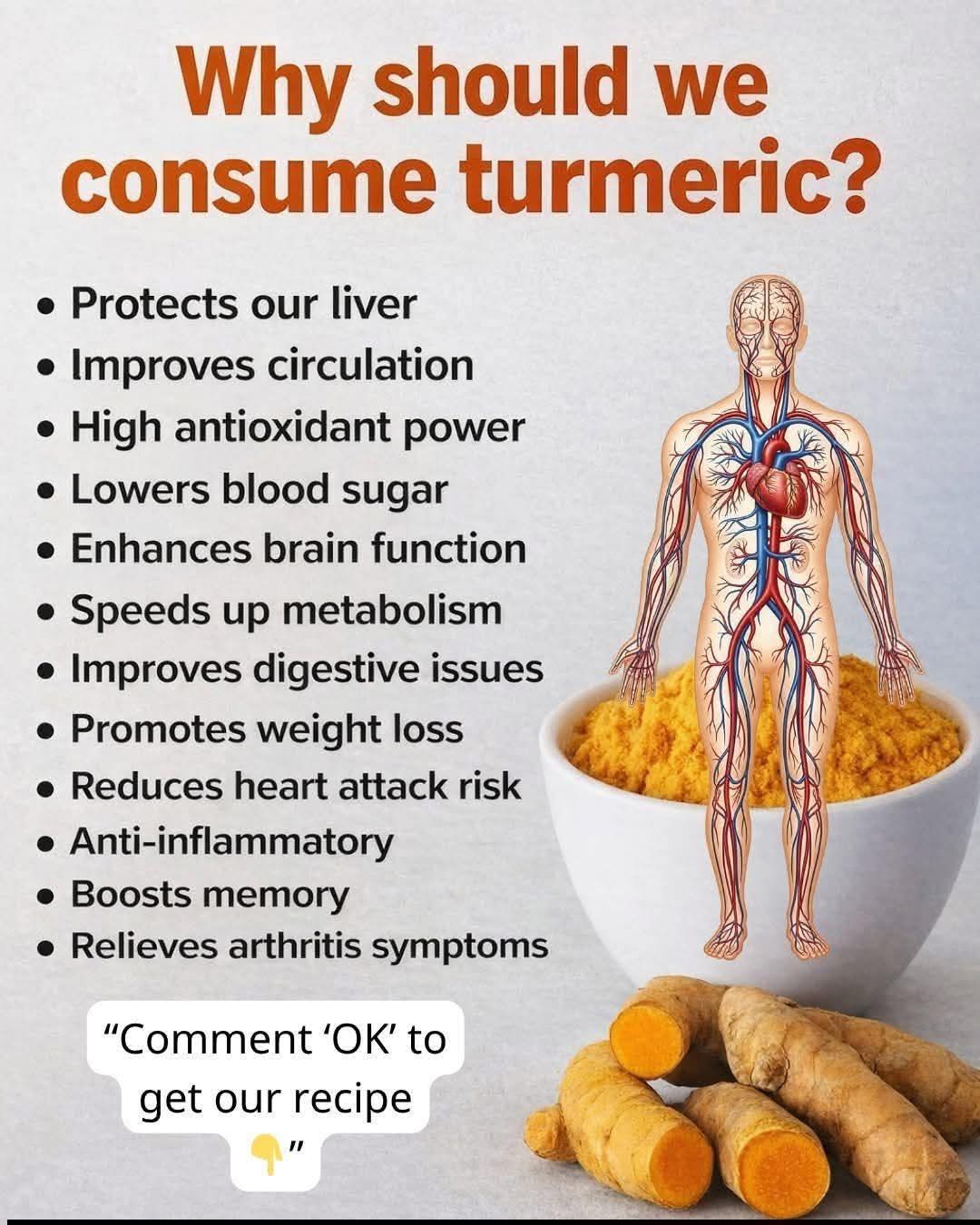
The Golden Spice: A Comprehensive Guide to the Health Benefits of Turmeric
Medical Disclaimer: This article is for informational and educational purposes only and does not constitute medical advice, diagnosis, or treatment. Always seek the advice of your physician or other qualified health provider with any questions you may have regarding a medical condition. Do not disregard professional medical advice or delay in seeking it because of something you have read here.
Introduction: Why Turmeric is More Than Just a Spice
For thousands of years, turmeric (Curcuma longa) has been a staple in Ayurvedic medicine and Asian cuisine. Known as the “Golden Spice,” it is the bright yellow powder that gives curry its distinct color and earthy flavor. While it has been revered for centuries in traditional healing, it is only in the last few decades that modern Western science has begun to validate what the ancients knew all along.
Turmeric is not just a culinary ingredient; it is a nutritional powerhouse. At the heart of its potency lies a compound called curcumin. While turmeric contains many compounds, curcumin is the most bioactive and arguably the most important.
In this guide, we will dive deep into the science behind the health claims associated with turmeric, exploring how this root can impact everything from brain function to cardiovascular health, and—crucially—how you can ensure you are getting the most out of it.
1. The Power of Curcumin: Understanding the Anti-Inflammatory Mechanism
The most cited benefit of turmeric is its anti-inflammatory property. To understand why this matters, we must first understand chronic inflammation. While acute inflammation (the body’s response to injury or infection) is vital for survival, chronic inflammation is a silent killer, contributing to almost every Western disease, including heart disease, cancer, and metabolic syndrome.
Curcumin is a bioactive substance that fights inflammation at the molecular level. It blocks NF-kB, a molecule that travels into the nuclei of your cells and turns on genes related to inflammation. By inhibiting this pathway, curcumin addresses inflammation at the root.
Several studies have shown that curcumin can be as effective as some anti-inflammatory pharmaceutical drugs, but without the side effects. It works by neutralizing free radicals (antioxidants) while simultaneously stimulating your body’s own antioxidant enzymes. This dual-action effect is the foundation of turmeric’s broad-spectrum health benefits.
2. Brain Function and Memory: Protecting Your Most Vital Asset
One of the most exciting areas of turmeric research involves the brain. We have long believed that neurons are incapable of dividing or multiplying after early childhood. However, we now know this is false; the brain has the ability to form new connections and even multiply in certain areas.
This process is mediated by Brain-Derived Neurotrophic Factor (BDNF)—a type of growth hormone that functions in the brain. Many common brain disorders, including depression and Alzheimer’s disease, have been linked to decreased levels of this hormone.
Interestingly, studies show that curcumin can increase brain levels of BDNF. By doing so, it may be effective at delaying or even reversing many brain diseases and age-related decreases in brain function. Furthermore, by boosting levels of the brain hormone BDNF, it may improve memory and make you smarter.
3. Protecting the Heart: Reducing the Risk of Cardiovascular Disease
Heart disease is the number one cause of death globally, and curcumin’s benefits for the heart are perhaps its most clinically significant.
The primary driver of heart disease is the dysfunction of the endothelium—the lining of your blood vessels. Curcumin has been shown to improve the function of the endothelium. When the endothelium is healthy, it is better at regulating blood pressure, blood clotting, and various other factors important to heart health.
Additionally, curcumin reduces inflammation and oxidation, both of which are key players in the development of heart disease. By helping to maintain the health of your blood vessels, turmeric serves as a natural, preventative measure for cardiovascular longevity.
4. Metabolic Health: Blood Sugar, Metabolism, and Weight Loss
In an era where metabolic disorders like Type 2 diabetes and obesity are rampant, turmeric offers a potential natural adjunct to traditional therapies.
Blood Sugar Regulation
Curcumin has been found to help lower blood sugar levels and combat insulin resistance. By modulating the pathways that control blood glucose metabolism, it can help stabilize energy levels throughout the day and prevent the spikes and crashes associated with poor metabolic health.
Metabolism and Weight Loss
While turmeric is not a “magic pill” for weight loss, it acts as a metabolic supporter. It aids in the reduction of inflammation in fat tissues, which is a common barrier to weight loss. Furthermore, by improving insulin sensitivity and blood flow, the body becomes more efficient at utilizing nutrients and managing energy storage rather than promoting fat accumulation.
5. Digestive Health and Liver Protection
The liver is the body’s primary filtration system. It is responsible for processing toxins, filtering the blood, and aiding in digestion.
Supporting the Liver
Turmeric promotes liver health by enhancing its detoxification pathways. It stimulates the production of bile, which is essential for breaking down fats and eliminating waste products from the liver. This makes turmeric an excellent herb for those looking to support their body’s natural cleansing processes.
Improving Digestive Issues
Beyond the liver, turmeric’s anti-inflammatory nature helps soothe the gut. It is often used to support those suffering from Irritable Bowel Syndrome (IBS) and other inflammatory digestive conditions. By reducing gut inflammation and supporting healthy bile production, it improves overall digestive efficiency and comfort.
6. Relieving Arthritis Symptoms
Arthritis is essentially a condition characterized by joint inflammation. Given that curcumin is a potent anti-inflammatory, it is no surprise that it is highly effective for arthritis sufferers.
Numerous studies have compared curcumin to common anti-inflammatory drugs. In patients with rheumatoid arthritis, curcumin supplements have been shown to reduce joint pain and swelling. In osteoarthritis, which is more common in aging populations, curcumin helps to improve mobility and reduce the need for NSAIDs (non-steroidal anti-inflammatory drugs), which can often have damaging effects on the stomach lining and kidneys over long-term use.
7. The Crucial “Bioavailability” Factor: Why You Need Black Pepper
If you have read this far, you might be tempted to simply start sprinkling raw turmeric powder on everything you eat. However, there is a catch.
Curcumin is poorly absorbed into the bloodstream. On its own, much of the curcumin you ingest passes through your digestive tract without ever entering your system. To experience the health benefits listed above, you need to enhance its bioavailability.
The Black Pepper Trick
This is the most important takeaway for anyone using turmeric: Always consume turmeric with black pepper.
Black pepper contains a compound called piperine, which is a natural substance that enhances the absorption of curcumin by 2,000%. When these two are combined, the curcumin is able to bypass the rapid metabolic breakdown in the liver and gut, allowing it to reach your bloodstream and travel to your organs.
The Role of Fats (Lipids)
Curcumin is fat-soluble. This means it dissolves in fat or oil rather than water. To maximize your body’s absorption of the spice, it is highly recommended to consume it alongside a healthy fat source. Think of adding turmeric to a meal cooked with olive oil, coconut oil, avocado, or full-fat yogurt.
8. Culinary vs. Supplemental Use
How should you get your daily dose of turmeric? There are two main avenues:
Culinary Approaches
Incorporating turmeric into your daily meals is the most sustainable way to gain benefits.
- Golden Milk (Turmeric Latte): A blend of milk (or plant-based alternative), turmeric, black pepper, ginger, and a dash of cinnamon or honey.
- Curries and Soups: Turmeric is a standard base in many Indian and Southeast Asian dishes.
- Roasted Vegetables: Sprinkle turmeric and black pepper on cauliflower, carrots, or sweet potatoes before roasting.
Supplementation
If you are looking to treat a specific condition (like joint pain or inflammation), culinary amounts may not be enough. In these cases, a high-quality curcumin supplement might be necessary.
- Look for Piperine: Ensure the supplement contains piperine or bioperine for absorption.
- Standardization: Choose a supplement that is standardized to contain a specific percentage of curcuminoids (usually 95%).
- Quality: Look for reputable third-party tested brands to ensure purity.
9. Safety and Precautions: Who Should Avoid It?
While turmeric is a food and generally considered safe, it is powerful. There are specific scenarios where one should exercise caution:
- Blood Thinners: Because turmeric has mild blood-thinning properties, it may interact with medications like Warfarin or Aspirin. If you are on blood-thinning medication, consult your doctor before increasing your turmeric intake.
- Gallbladder Issues: Turmeric increases bile production. If you have gallstones or a bile duct obstruction, it could potentially cause pain or exacerbate your condition.
- Kidney Stones: Turmeric contains oxalates. In high doses, this may contribute to the formation of kidney stones in susceptible individuals.
- Surgery: Because of its effect on blood clotting, it is generally recommended to stop taking high doses of turmeric two weeks before any scheduled surgery.
Conclusion: The Golden Habit
Turmeric is a remarkable gift from nature, offering a multifaceted approach to health. From protecting your liver and soothing your joints to enhancing your memory and fortifying your heart, its benefits are wide-reaching and scientifically grounded.
By making the simple habit of combining turmeric with black pepper and a healthy fat, you can unlock its potential and make it a cornerstone of your wellness routine. Whether you are stirring it into a warm latte or taking a high-quality supplement, this golden spice is a small addition to your life that can yield significant returns for your long-term health.
Always remember that consistency is key. Like most natural remedies, the benefits of turmeric are cumulative. Start small, listen to your body, and enjoy the journey toward better health with one of the world’s most researched and revered superfoods.