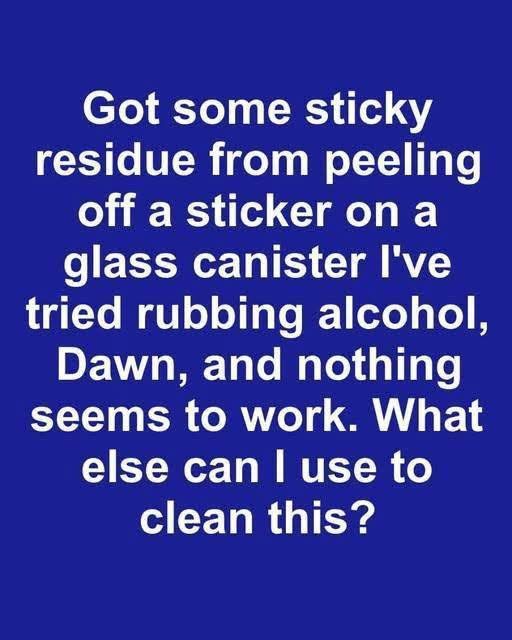
Sticky residue—usually left behind by stickers or labels—can be surprisingly stubborn, especially on smooth glass. The trick to removing it effectively is using something that breaks down the adhesive without scratching or clouding the surface.
Common Methods: Rubbing Alcohol and Dish Soap
Two go-to household options are rubbing alcohol and dish soap like Dawn. Alcohol works as a solvent, helping dissolve certain adhesives, while dish soap is great at cutting through grease and grime. That said, neither method is foolproof—some residues just won’t budge with these alone.
Why They Don’t Always Work
Not all adhesives are created equal. Some are designed to resist solvents like alcohol, while others aren’t affected much by grease-fighting soaps. That’s why you might find yourself scrubbing longer than expected with little progress.
Other Household Fixes to Try
If the basics don’t work, there are a few more options sitting in your kitchen that can help loosen that sticky mess.
Vinegar: A Natural Solution
White vinegar’s acidity makes it effective at breaking down adhesive. Soak a cloth, press it onto the residue for a few minutes, then wipe clean.
Baking Soda: Mild but Effective
Mix baking soda with a bit of water to form a paste. Apply it to the residue and gently scrub. It’s abrasive enough to help lift the adhesive but usually safe for glass if used lightly.
Olive Oil: Softens the Sticky Stuff
A little olive oil can seep into the residue and loosen it up. Let it sit briefly, wipe it away, then clean the glass afterward with soap and water to remove any oily film.
Commercial Products: Goo Gone and Similar Options
Products like Goo Gone are specifically made to tackle sticky residues. They’re generally safe for glass and work quickly by breaking down the adhesive. Just be sure to follow the instructions and use them in a ventilated space.
There are also other adhesive removers available that are designed for tougher jobs. These tend to be more powerful, so it’s important to handle them carefully and follow all safety directions on the label.
Test First, Clean Smart
Before using any method, test it on a small, hidden spot to make sure it won’t damage the glass. Once you know it’s safe, you can move on to the rest of the surface.
Keeping glass clean with regular maintenance—like a simple water-and-vinegar mix—can also help prevent buildup in the future.
When to Call in Help
If nothing seems to work or you’re worried about damaging the surface, professional cleaners have the right tools and products to handle stubborn residue safely.
With the right approach, even the most persistent sticky spots can be removed, leaving your glass clean and clear again.
Anybody got some ideas for this?
Sticky residue—usually left behind by stickers or labels—can be surprisingly stubborn, especially on smooth glass. The trick to removing it effectively is using something that breaks down the adhesive without scratching or clouding the surface.
Common Methods: Rubbing Alcohol and Dish Soap
Two go-to household options are rubbing alcohol and dish soap like Dawn. Alcohol works as a solvent, helping dissolve certain adhesives, while dish soap is great at cutting through grease and grime. That said, neither method is foolproof—some residues just won’t budge with these alone.
Why They Don’t Always Work
Not all adhesives are created equal. Some are designed to resist solvents like alcohol, while others aren’t affected much by grease-fighting soaps. That’s why you might find yourself scrubbing longer than expected with little progress.
Other Household Fixes to Try
If the basics don’t work, there are a few more options sitting in your kitchen that can help loosen that sticky mess.
Vinegar: A Natural Solution
White vinegar’s acidity makes it effective at breaking down adhesive. Soak a cloth, press it onto the residue for a few minutes, then wipe clean.
Baking Soda: Mild but Effective
Mix baking soda with a bit of water to form a paste. Apply it to the residue and gently scrub. It’s abrasive enough to help lift the adhesive but usually safe for glass if used lightly.
Olive Oil: Softens the Sticky Stuff
A little olive oil can seep into the residue and loosen it up. Let it sit briefly, wipe it away, then clean the glass afterward with soap and water to remove any oily film.
Commercial Products: Goo Gone and Similar Options
Products like Goo Gone are specifically made to tackle sticky residues. They’re generally safe for glass and work quickly by breaking down the adhesive. Just be sure to follow the instructions and use them in a ventilated space.
There are also other adhesive removers available that are designed for tougher jobs. These tend to be more powerful, so it’s important to handle them carefully and follow all safety directions on the label.
Test First, Clean Smart
Before using any method, test it on a small, hidden spot to make sure it won’t damage the glass. Once you know it’s safe, you can move on to the rest of the surface.
Keeping glass clean with regular maintenance—like a simple water-and-vinegar mix—can also help prevent buildup in the future.
When to Call in Help
If nothing seems to work or you’re worried about damaging the surface, professional cleaners have the right tools and products to handle stubborn residue safely.
With the right approach, even the most persistent sticky spots can be removed, leaving your glass clean and clear again.