Garlic, Honey, and Apple Cider Vinegar: Exploring the Popular “Miracle” Tonic and Its Claimed Health Benefits
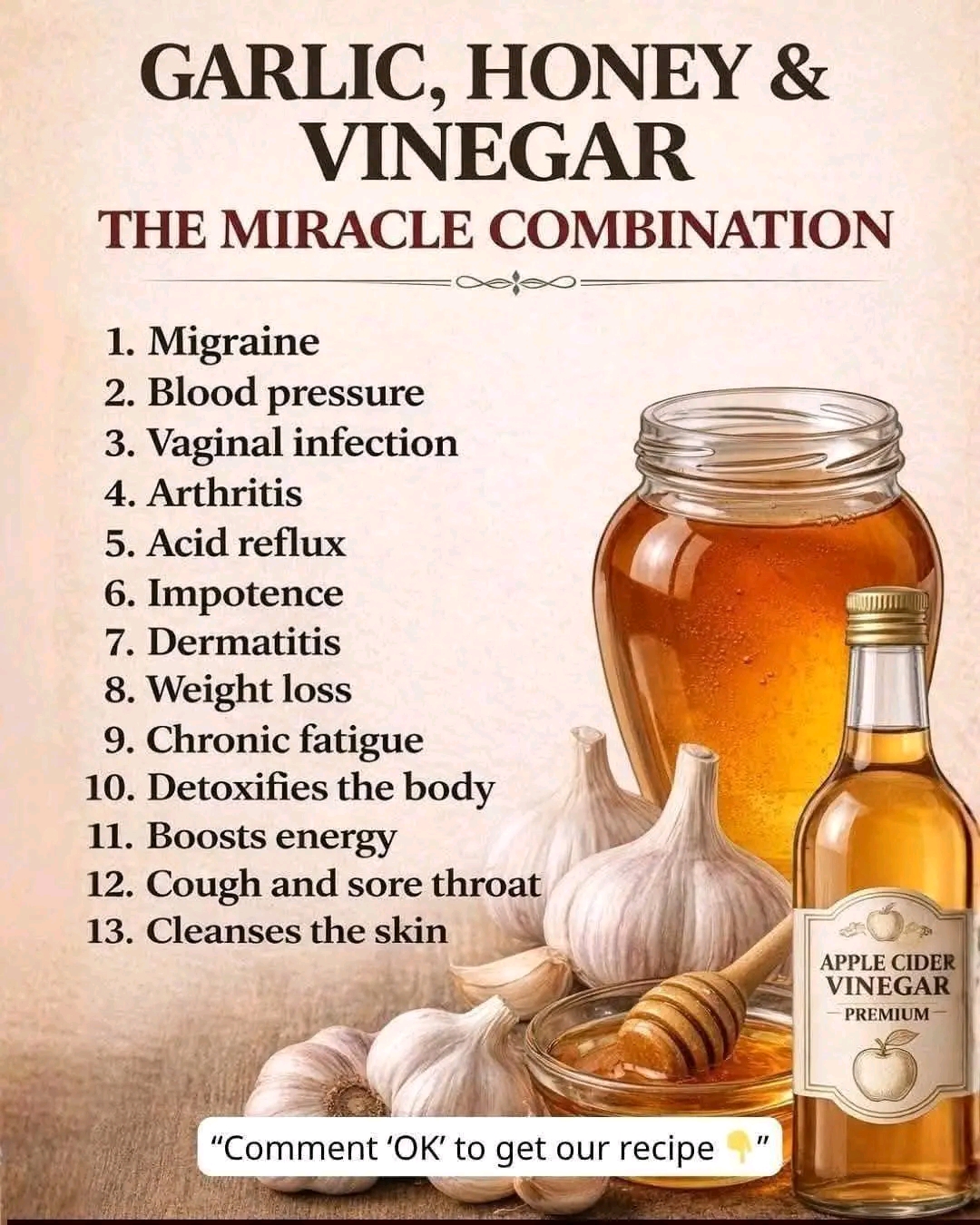
In the world of natural remedies and folk medicine, few combinations have gained as much attention as the mixture of garlic, honey, and apple cider vinegar. Often touted as a “miracle combination” in social media graphics and wellness circles, this simple trio is promoted for addressing everything from migraines and high blood pressure to vaginal infections, arthritis, acid reflux, weight loss, chronic fatigue, detoxification, energy boosting, coughs, sore throats, skin cleansing, dermatitis, and even impotence.
These claims circulate widely online, encouraging people to comment for recipes or try the tonic as a daily shot. While the ingredients themselves have long histories in traditional healing practices across cultures, modern science offers a more nuanced view. Some benefits have preliminary support from studies, particularly around antimicrobial effects, heart health markers, and digestion, but many of the bold claims lack robust clinical evidence in humans, especially for the specific combination.
This comprehensive article dives deep into the science, history, potential mechanisms, practical recipes, safety considerations, and realistic expectations. Spanning traditional wisdom to current research, we’ll separate hype from helpful insights—always remembering that no home remedy replaces professional medical advice.
A Brief History of These Ancient Ingredients
Garlic (Allium sativum) has been used medicinally for over 5,000 years. Ancient Egyptians, Greeks, Romans, Chinese, and Indians valued it for its pungent power against infections, parasites, and digestive issues. Hippocrates, the father of medicine, reportedly prescribed garlic for various ailments.
Honey, one of nature’s most enduring superfoods, appears in ancient texts from Sumerian clay tablets to Ayurvedic and Traditional Chinese Medicine. Its antibacterial properties made it a staple for wound healing long before antibiotics.
Apple cider vinegar (ACV), made from fermented apple juice, traces back to Babylonians around 5000 BCE and was used by Hippocrates for coughs and colds. In folk traditions, vinegar-based “oxymels” (honey-vinegar mixtures) served as tonics for immunity and digestion.
Combining them creates an oxymel variation infused with garlic. Modern viral posts often simplify it to garlic + honey + vinegar, sometimes adding ginger or lemon, positioning it as a cure-all. Traditional uses focused more modestly on respiratory support, digestion, and general vitality rather than treating specific diseases like impotence or vaginal infections as primary cures.
Understanding the Key Compounds: Why This Trio Might Work Synergistically
The potential power of this combination lies in the bioactive compounds of each ingredient:
- Garlic’s Star Player: Allicin and Organosulfur Compounds
When you crush or chop fresh garlic, the enzyme alliinase converts alliin into allicin, a volatile sulfur compound responsible for garlic’s aroma and much of its biological activity. Allicin exhibits broad antimicrobial effects against bacteria, viruses, fungi, and even some parasites. It may also support cardiovascular health by promoting blood vessel relaxation and reducing oxidative stress. Other compounds like ajoene and diallyl disulfide contribute to anti-inflammatory and antioxidant effects. - Honey’s Antimicrobial and Soothing Power
Raw, unpasteurized honey contains hydrogen peroxide, methylglyoxal (especially in Manuka honey), and phenolic compounds that give it antibacterial, antiviral, and wound-healing properties. It acts as a natural preservative, drawing moisture from microbes and creating an inhospitable environment for pathogens. Honey also provides antioxidants and can soothe irritated tissues, such as in sore throats. Its sugars offer quick energy, while its anti-inflammatory qualities may help with skin issues. - Apple Cider Vinegar’s Acetic Acid and “The Mother”
ACV’s main active component is acetic acid, which may slow starch digestion, support blood sugar control after meals, and create an acidic environment less favorable for certain pathogens. Raw, unfiltered ACV with “the mother” (strands of beneficial bacteria and yeast) adds probiotic-like elements that could support gut health. It also contains polyphenols from apples with antioxidant potential.
When combined, these ingredients may create synergistic effects: Garlic’s allicin provides strong antimicrobial punch, honey preserves and soothes while adding its own antibacterial action, and vinegar’s acidity enhances preservation and may improve absorption or create a more potent tonic. Some lab studies on similar mixtures show enhanced antimicrobial activity compared to individual components.
However, processing (heating, aging, or diluting) can reduce allicin levels, so fresh preparation matters for maximum benefit.
Claimed Benefits: What Does the Science Actually Say?
Viral lists claim this mixture helps with 13+ conditions. Here’s a balanced, evidence-based breakdown for each, drawing from available studies on individual ingredients and limited research on mixtures (often including ginger or lemon too). Note: Most evidence is preliminary, from animal/in vitro studies, or small human trials. Large-scale randomized controlled trials (RCTs) on the exact garlic-honey-vinegar combo are scarce.
- Migraine
Limited direct evidence. Garlic’s anti-inflammatory and blood-flow improving effects might indirectly help vascular headaches, while honey could stabilize blood sugar (a migraine trigger for some). ACV is sometimes anecdotally used for detoxification or pH balance, but no strong clinical data supports the trio for migraines. Lifestyle factors like hydration, sleep, and stress management remain more proven. - Blood Pressure
This has the most promising support among the claims. Garlic supplements have shown modest reductions in blood pressure in people with hypertension, likely due to allicin relaxing blood vessels and improving nitric oxide production. Some studies on ACV suggest mild benefits for cardiovascular markers, and honey may reduce oxidative stress. A few trials on ginger-garlic-lemon-ACV-honey mixtures reported decreases in blood pressure and cholesterol. Results vary; effects are generally mild and work best alongside diet and exercise, not as a replacement for medication. - Vaginal Infection
Caution here. Garlic and honey have antifungal/antibacterial properties that might help in theory (e.g., against Candida), and ACV’s acidity could alter pH. However, inserting or using undiluted mixtures vaginally risks irritation, imbalance of healthy flora, or chemical burns. No high-quality studies endorse this for yeast infections or bacterial vaginosis. Consult a doctor for proper diagnosis and treatment—over-the-counter or prescription antifungals are safer and more effective. - Arthritis
Anti-inflammatory compounds in garlic (reducing cytokines) and antioxidants in honey and ACV may offer mild joint support. Some animal studies show garlic reducing inflammation markers. Oxymels are traditionally used for joint pain, but human evidence is weak. The mixture won’t reverse arthritis but could complement anti-inflammatory diets. - Acid Reflux
Mixed and often contradictory. Some people report relief from diluted ACV helping digestion or balancing stomach acid, but for many with GERD, the acidity worsens symptoms like heartburn. Garlic can trigger reflux in sensitive individuals. Honey might soothe the esophagus. Overall, this combination is not recommended as a primary remedy for acid reflux—try smaller, frequent meals and elevate your head instead. - Impotence (Erectile Dysfunction)
No direct evidence for the mixture curing impotence. Garlic may improve circulation and endothelial function, potentially aiding blood flow (a factor in ED). ACV and honey support general heart health. However, ED often stems from vascular, hormonal, or psychological causes requiring medical evaluation. Lifestyle changes (exercise, weight management) matter more than any tonic. - Dermatitis and Skin Cleansing
Topical honey is well-studied for wounds and eczema due to its antimicrobial and moisturizing effects. Diluted ACV is sometimes used as a toner for its astringent properties, and garlic has anti-inflammatory potential but can irritate skin. Internal use might support skin via antioxidants and detox claims, but “cleanses the skin” is vague. Patch-test any topical application; internal benefits would be indirect through overall anti-inflammatory effects. - Weight Loss
ACV has the strongest (though modest) evidence here. Small human studies show that 15-30 ml daily, often with meals, may promote slight weight loss, reduce BMI, and lower waist circumference—possibly by increasing satiety, slowing digestion, or improving insulin sensitivity. One meta-analysis found benefits in overweight or diabetic individuals over 12 weeks. Garlic and honey add antioxidants and may curb appetite indirectly. The combo isn’t a magic fat-burner; sustainable calorie deficit and exercise drive real results. Expect 1-2 kg over months at best, not dramatic transformation. - Chronic Fatigue
Anecdotal reports link the tonic to boosted energy via B-vitamins in garlic/honey, blood sugar stabilization, or detoxification. Garlic’s potential to improve circulation and reduce oxidative stress might help. However, chronic fatigue has complex causes (sleep, nutrition, medical conditions). The mixture may provide a mild pick-me-up but isn’t a cure. - Detoxifies the Body
The liver and kidneys handle detoxification naturally. This tonic’s antioxidants and supportive effects on digestion/liver enzymes (from some garlic and ACV studies) might aid overall wellness, but “detox” claims are overstated. No food magically flushes toxins better than a balanced diet, hydration, and avoiding excess alcohol/processed foods. - Boosts Energy
Honey provides quick natural sugars, while the combo’s nutrients and potential blood sugar/ circulation benefits could enhance vitality. Some users feel more energetic from improved digestion or placebo effect. Sustainable energy comes from sleep, protein-rich meals, and movement. - Cough and Sore Throat
This is one of the stronger traditional uses. Honey is clinically supported for cough suppression (often better than some OTC remedies in children). Garlic’s antimicrobials and ACV’s soothing acidity in a diluted tonic may help respiratory comfort. Fermented garlic honey or oxymels are popular for colds. Evidence is promising for symptom relief, not curing infections. - General Immune Support and Antimicrobial Effects
All three ingredients show lab antimicrobial activity. Garlic fights a wide range of pathogens via allicin; honey inhibits bacterial growth; ACV creates an acidic barrier. Combinations may amplify this. Human studies on immunity are limited, but the tonic is a reasonable addition during cold/flu season alongside vaccines and hygiene.
Other unlisted but related benefits from research include potential cholesterol improvements (especially in mixtures) and blood sugar support from ACV.
Bottom Line on Evidence: Individual ingredients have substantiated modest benefits for heart health, immunity, digestion, and antimicrobial support. The specific combination appears in some small trials (often with added ginger/lemon) showing cardiometabolic improvements, but it’s not a proven “miracle cure.” Effects are generally supportive and mild, best as part of a healthy lifestyle. Placebo effect and marketing play roles in viral enthusiasm.
How to Prepare the Garlic, Honey, and Apple Cider Vinegar Tonic
A basic recipe draws from traditional oxymels and popular variations:
Simple Daily Tonic (Makes about 1-2 weeks’ supply):
- 8-10 fresh garlic cloves (peeled, crushed or finely chopped—let sit 10 minutes to activate allicin)
- 1 cup raw, unpasteurized honey
- 1 cup raw apple cider vinegar (with the mother)
- Optional: Juice of 1-2 lemons, grated ginger (1-2 tbsp), or a pinch of cayenne for extra kick
Instructions:
- Crush/chop garlic and let it rest.
- In a clean glass jar, combine garlic with honey and vinegar. Stir well until honey dissolves (warm gently if needed, but avoid high heat to preserve compounds).
- Seal and let infuse in a cool, dark place for 24 hours to 4 weeks (shake daily). Shorter for quick use, longer for stronger flavor.
- Strain if desired, or keep garlic pieces.
Usage: Take 1 tablespoon diluted in warm water daily (morning or before meals). Start small to assess tolerance. Some prefer fermented versions where garlic sits in honey first, then vinegar is added.
Variations include fire cider-style (adding onion, horseradish, herbs) or simply eating garlic cloves preserved in honey-vinegar.
Use organic, raw ingredients for best quality. Store in the fridge for longer shelf life.
Safety, Side Effects, and Precautions
While generally safe in moderation for healthy adults, this mixture isn’t risk-free:
- Acidity Issues: ACV can erode tooth enamel, irritate the esophagus, or worsen acid reflux/ ulcers. Always dilute and rinse your mouth or use a straw.
- Digestive Upset: Nausea, heartburn, or delayed stomach emptying possible, especially on an empty stomach.
- Blood Thinning: Garlic may enhance anticoagulant effects—caution with blood thinners like warfarin.
- Allergies: Rare reactions to garlic or honey (avoid honey for infants under 1 year due to botulism risk).
- Low Potassium or Interactions: Excessive ACV might affect electrolyte balance or interact with diuretics/ diabetes meds.
- Skin/Vaginal Use: Highly discouraged undiluted—risk of burns or flora disruption.
- Overconsumption: Can lead to bad breath, body odor, or more serious issues like esophageal damage.
Pregnant/breastfeeding individuals, those with kidney issues, low blood pressure, or on medications should consult a doctor first. Start with small doses.
Not a substitute for medical treatment. If you have serious conditions (hypertension, infections, arthritis), see a healthcare professional. The tonic may complement but not replace prescribed therapies.
Realistic Expectations and Integrating Into a Healthy Lifestyle
This garlic-honey-vinegar combination offers a flavorful, antioxidant-rich addition to wellness routines. It may provide mild support for immunity, digestion, heart health markers, and symptom relief for colds—but it won’t magically resolve chronic diseases or replace evidence-based medicine.
For best results:
- Pair with a balanced diet rich in fruits, vegetables, whole grains, and lean proteins.
- Stay hydrated, exercise regularly, manage stress, and prioritize sleep.
- Use high-quality ingredients and prepare fresh.
- Track how your body responds and adjust.
In an era of quick-fix wellness trends, this tonic reminds us of the value in simple kitchen staples. Its popularity highlights growing interest in natural approaches, but true health comes from consistency and holistic habits, not any single mixture.
If you’re curious, try the basic recipe mindfully. Listen to your body, and when in doubt, talk to your doctor or a registered dietitian. Nature provides powerful tools, but wisdom lies in using them responsibly.