The Forgotten Utility: A Look Back at the Vintage Button Hook and Shoe Fastener Tool
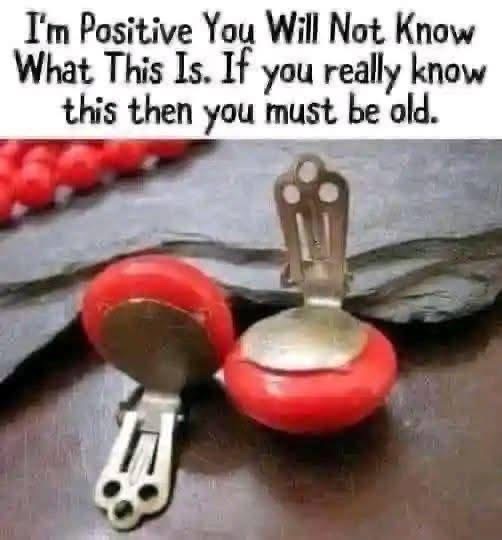
In a time before zippers, Velcro, and elastic convenience, fashion was often fastened with intricate tools and careful handiwork. One such artifact from a bygone era is the item shown in the image — a vintage button hook and shoe fastener tool, commonly used in the early-to-mid 20th century.
What Is It?
At first glance, this object might appear to be a toy or a mystery gadget. In reality, it is a button hook used to fasten shoes or boots, particularly those with small, hard-to-grasp buttons. Often part of everyday life in the late 1800s and early 1900s, these tools made dressing significantly easier, especially when dealing with tight buttoned boots or gloves.
The red plastic part serves as a grip, while the metal hook mechanism is designed to slide through buttonholes, grab the button, and pull it through — a practical solution before elastic or slip-on options became widely available.
Design and Functionality
This particular version was made to be compact, handheld, and durable, combining metal for strength with a plastic or bakelite handle for comfort. The design allowed users — often women or the elderly — to more easily manage the fine motor task of buttoning up tightly fitted shoes or garments.
Who Used It and Why?
Older adults or individuals with arthritis who struggled with small buttons
Women and men wearing high-button boots, popular in the early 1900s.
Children, whose fine motor skills were still developing.
Domestic workers, who used these tools to dress their employers efficiently.
Historical Relevance
Though considered obsolete today, such tools are part of the broader narrative of technological and social evolution in clothing. As fashion transitioned toward zippers (patented in 1913) and stretchy fabrics, tools like these faded into obscurity — now cherished mostly by collectors, museums, and vintage enthusiasts.
Modern Perspective
While no longer in common use, these vintage button hooks serve as a symbol of innovation during a time when every aspect of life required a bit more effort — and ingenuity. They remind us of how far we’ve come in terms of accessibility and ease in fashion, and they capture a slice of daily life that’s nearly forgotten today.
Conclusion
The item may look unfamiliar to modern generations, but to those who recognize it, it’s a nostalgic reminder of a very different era. Its function, though simple, represents a clever solution to a real-life challenge — making it a small yet important piece of design history.