The Truth About Oregano: A Comprehensive Guide to Its Health Benefits, Culinary Magic, and Realistic Expectations
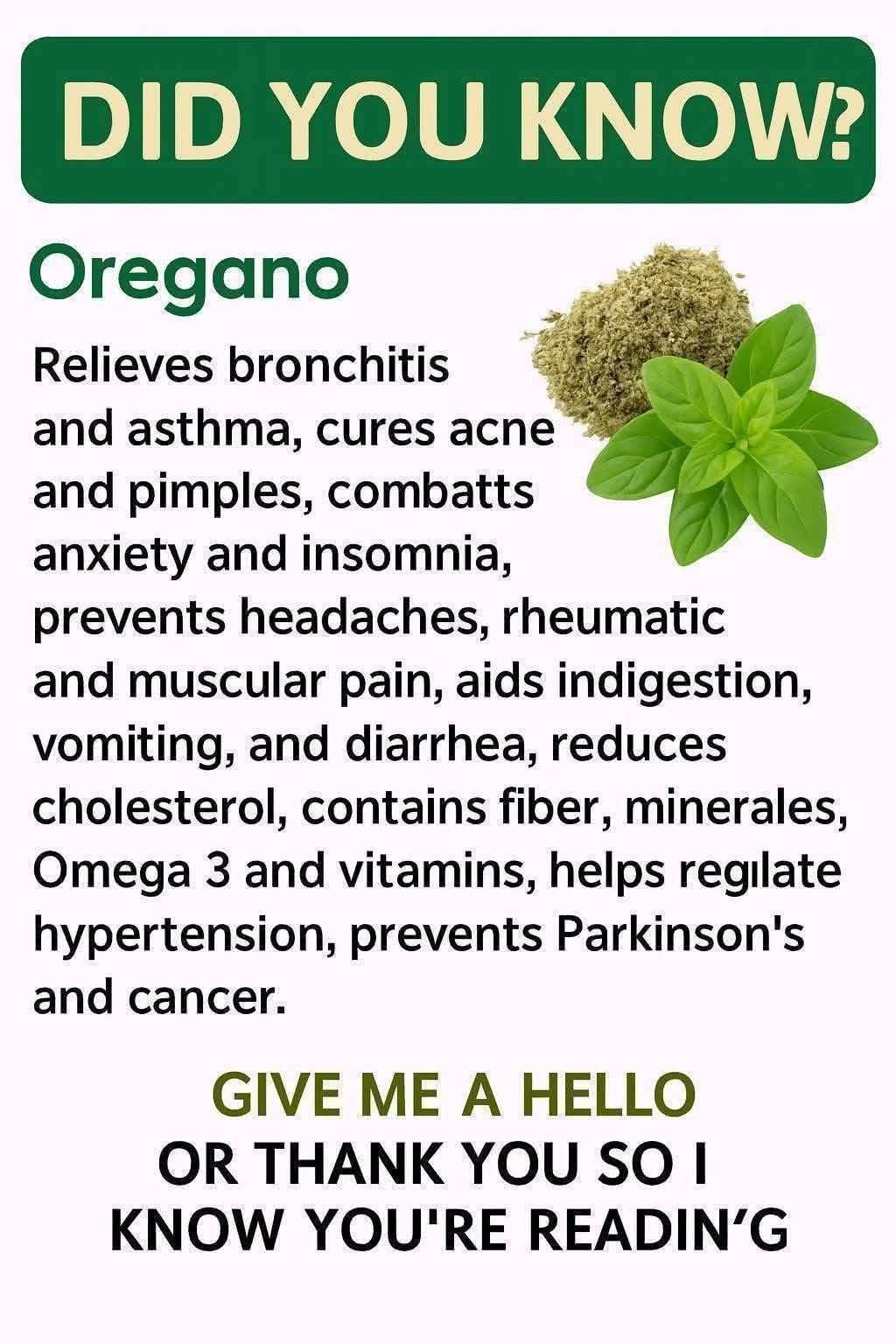
Hello! 👋 Yes, I’m reading every word — thank you for the fun check-in! 😊
Oregano isn’t just a staple in your spice rack; it’s one of nature’s most potent little powerhouses. This aromatic herb from the mint family (Lamiaceae), scientifically known as Origanum vulgare, has been celebrated for centuries in Mediterranean kitchens and traditional medicine. From ancient Greek healers who called it the “joy of the mountain” to modern researchers exploring its bioactive compounds, oregano continues to intrigue.
But let’s be real: while viral posts promise it cures everything from acne to cancer, the science tells a more balanced story. Many claims come from promising lab and animal studies — especially thanks to its star compounds carvacrol and thymol — but human evidence is often limited or preliminary.
In this in-depth ~3000-word guide, we’ll dive deep into oregano’s real benefits, how to use it safely in your kitchen (with recipe ideas), potential risks, and why it’s worth adding more of this herb to your life — without expecting miracles.
What Is Oregano? A Quick Botanical and Historical Overview
Oregano is a perennial herb native to the Mediterranean, parts of Europe, and Asia. It thrives in sunny, rocky soils and produces small purple flowers. There are dozens of species and varieties, but the most common culinary type is Origanum vulgare subsp. hirtum (Greek oregano), prized for its strong, peppery flavor.
Historically, oregano was used in folk medicine for respiratory issues, digestive complaints, wounds, and as a general tonic. Ancient Greeks and Romans believed it could counteract poisons and promote overall vitality. Today, it’s a global kitchen hero, especially in Italian, Greek, Mexican, and Turkish cuisines.
Nutritionally, even small amounts pack a punch: a teaspoon of dried oregano provides significant vitamin K (for bone health and blood clotting), manganese, iron, and fiber, plus a bounty of antioxidants.
The Science Behind Oregano’s Power: Key Compounds
Oregano’s health reputation largely stems from two phenolic monoterpenes:
- Carvacrol — Often the dominant compound (up to 80% in some essential oils), it’s a potent antimicrobial and antioxidant.
- Thymol — Closely related isomer with strong antifungal and anti-inflammatory effects.
Other players include rosmarinic acid (a powerful antioxidant), flavonoids (like quercetin and apigenin), and various terpenes.
These compounds work synergistically, giving oregano broad biological activity — from fighting microbes to reducing oxidative stress.
Evidence-Based Health Benefits of Oregano
1. Powerful Antimicrobial Properties (The Strongest Evidence)
Oregano shines brightest here. Multiple studies show oregano essential oil (and its isolates carvacrol/thymol) effectively combats bacteria, fungi, and even some viruses in lab settings.
- It inhibits foodborne pathogens like Staphylococcus aureus (including antibiotic-resistant strains), E. coli, and Salmonella.
- Antifungal action against Candida species makes it useful for gut and oral health.
- Some in vitro research suggests activity against respiratory viruses, though human trials are scarce.
Practical takeaway: Adding oregano to meals may help preserve food naturally and support gut microbiome balance. Oregano oil is sometimes used as a natural alternative for minor infections, but never replace antibiotics without medical advice.
2. Antioxidant Powerhouse
Oregano ranks among the highest-antioxidant herbs (often outperforming many fruits and veggies in ORAC tests). Carvacrol, thymol, and rosmarinic acid neutralize free radicals, reducing oxidative stress linked to aging, heart disease, and chronic inflammation.
Studies on different oregano species consistently show strong radical-scavenging ability, potentially protecting cells from damage.
3. Anti-Inflammatory Effects
Chronic inflammation drives many modern diseases. Oregano compounds suppress pro-inflammatory markers (like cytokines, NF-κB, and COX-2) in cell and animal models.
This may help with conditions like arthritis or inflammatory bowel issues. One review highlighted oregano’s potential to ease inflammation-related symptoms, though large human trials are needed.
4. Digestive Support
Traditionally used for indigestion, bloating, gas, and diarrhea, oregano may relax gut muscles and fight harmful bacteria/parasites.
Some evidence suggests it improves gut barrier function and reduces symptoms in models of gastrointestinal inflammation.
5. Respiratory Health
Oregano’s antimicrobial and expectorant qualities make it a folk remedy for coughs, bronchitis, and colds. Small studies on herbal blends (including oregano) show symptom relief in upper respiratory infections.
Essential oil vapors or teas may provide soothing effects.
6. Potential Metabolic and Cardiovascular Benefits
Preliminary research indicates oregano extracts may help regulate blood sugar, improve insulin sensitivity, and lower cholesterol in animal models.
A few human studies show modest reductions in LDL (“bad”) cholesterol. Vasodilatory effects of carvacrol suggest mild blood pressure support, but evidence for hypertension prevention is weak and indirect.
7. Neuroprotective Potential (Early but Intriguing)
Antioxidant and anti-inflammatory actions may protect brain cells. Some animal studies link carvacrol to reduced neurotoxicity in Parkinson’s models, but this is far from proven prevention in humans.
8. Anticancer Properties? (Promising but Preliminary)
This is where hype often outpaces evidence. Lab studies show carvacrol and thymol induce apoptosis (programmed cell death) in various cancer cell lines (e.g., breast, colon, lung), inhibit tumor growth, and suppress proliferation pathways.
Animal models sometimes show reduced tumor size. However:
- No robust human clinical trials confirm prevention or treatment.
- Mechanisms are complex; oregano alone can’t “prevent” or “cure” cancer.
- It’s a supportive dietary compound at best — part of an antioxidant-rich diet.
Bottom line: Exciting preclinical data, but don’t rely on oregano as a cancer shield.
Culinary Uses: How to Enjoy Oregano Every Day
Oregano’s bold, earthy, slightly bitter flavor pairs perfectly with tomatoes, olive oil, garlic, lemon, grilled meats, and roasted vegetables.
Fresh vs. Dried: Dried oregano is more concentrated and often preferred in cooking (its flavor intensifies when dried). Fresh is milder and great for finishing dishes.
Tips:
- Crush dried leaves between your fingers to release oils.
- Add toward the end of cooking to preserve aroma.
- 1 tsp dried = 1 Tbsp fresh.
Everyday Ideas:
- Sprinkle on pizza, pasta sauce, or bruschetta.
- Mix into marinades for chicken, lamb, or fish.
- Stir into soups, stews, or chili.
- Make Greek salad dressing: olive oil, lemon, oregano, garlic.
- Season roasted potatoes, eggplant, or zucchini.
Recipe Inspirations (Simple & Flavorful):
- Classic Mediterranean Tomato Sauce
Sauté garlic in olive oil, add canned tomatoes, salt, pepper, and a generous pinch (1–2 tsp) of dried oregano. Simmer 20 minutes. Perfect over pasta or as pizza base. - Grilled Lemon-Oregano Chicken
Marinate chicken thighs in olive oil, lemon juice, minced garlic, fresh/dried oregano, salt, and pepper for 1–2 hours. Grill until juicy. Serve with veggies. - Oregano-Roasted Vegetables
Toss potatoes, bell peppers, zucchini, and red onion with olive oil, oregano, salt, and garlic. Roast at 425°F (220°C) for 30–40 minutes. - Greek-Style Herb Tea
Steep 1 tsp dried oregano in hot water for 5–10 minutes. Add honey and lemon for a soothing digestive or cold remedy. - Homemade Italian Seasoning Blend
Mix equal parts dried oregano, basil, thyme, rosemary, and a pinch of red pepper flakes. Use in any savory dish.
How to Use Oregano Safely: Forms, Dosages, and Cautions
- Culinary amounts — Completely safe and encouraged.
- Oil of oregano (diluted supplement) — Typically 1–3 drops in water/carrier, or capsules (follow label). Potent — start low.
- Essential oil — Never ingest undiluted; use topically (diluted) or aromatically only.
Risks & Precautions:
- Allergic reactions (rare, but possible if allergic to mint family).
- Skin irritation from undiluted oil.
- High doses may upset stomach or interact with blood thinners, diabetes/hypertension meds.
- Avoid large amounts during pregnancy/breastfeeding (uterine stimulant potential).
- Consult a doctor before therapeutic use, especially with conditions or medications.
Final Thoughts: Oregano as a Daily Ally, Not a Miracle Cure
Oregano is undeniably special — a flavorful, nutrient-dense herb with impressive antimicrobial, antioxidant, and anti-inflammatory potential. Regular use in cooking can support overall wellness, from better digestion to stronger immunity.
But claims of “curing” acne, insomnia, Parkinson’s, hypertension, or cancer go beyond current evidence. The strongest support is for antimicrobial and antioxidant effects; other benefits need more human research.
Incorporate oregano generously into meals, sip an occasional tea, and enjoy it as part of a balanced, plant-rich diet. Your body (and taste buds) will thank you.
Happy cooking — and here’s to the humble herb that brings so much joy (and health) to the table! 🌿