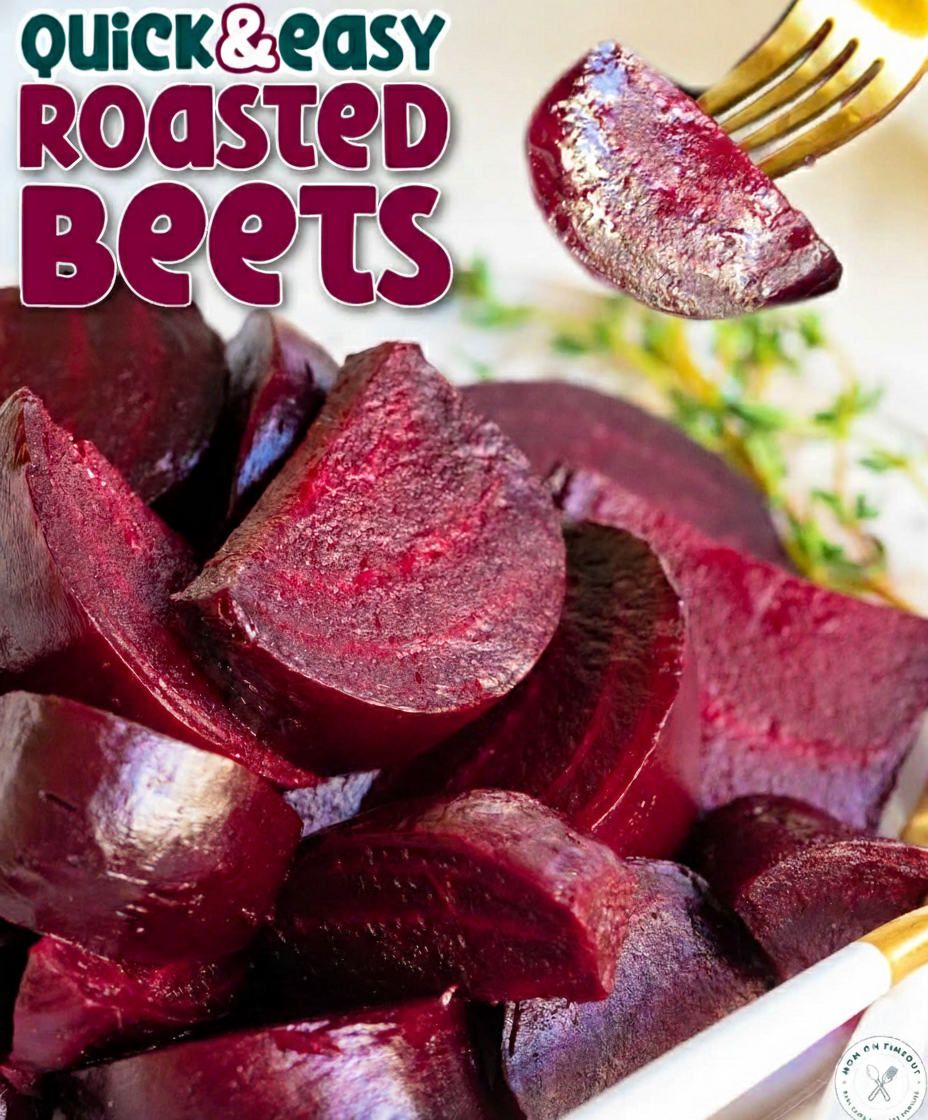
Quick & Easy Roasted Beets: The Ultimate Guide to Perfectly Tender, Sweet Results
Roasted beets are one of those magical side dishes that transform a simple root vegetable into something truly special. Their deep, earthy flavor gets concentrated in the oven, turning naturally sweet with caramelized edges that make even beet skeptics reach for seconds. Best of all? This method is incredibly quick to prep (under 10 minutes of active time) and mostly hands-off.
Whether you’re meal-prepping for the week, building vibrant salads, or just wanting a healthy, colorful side for dinner, roasted beets deliver every time. In this ultimate guide, we’ll cover everything: why roasting beats other cooking methods, step-by-step instructions (including foil-free options), pro tips, flavor variations, storage secrets, and the impressive health benefits that make beets a true superfood.
Let’s dive in and make your kitchen smell amazing!
Why Roast Beets? (And Why This Method Works So Well)
Boiling beets is classic, but it often leaves them watery and less flavorful. Steaming preserves color but misses that caramelized magic. Roasting? That’s where the real transformation happens.
When beets roast low and slow (or at moderate heat), their natural sugars concentrate, creating that signature sweet-earthiness. The exterior edges get slightly crispy while the inside stays fork-tender and juicy. Plus:
- Roasting intensifies nutrients (unlike boiling, which leaches some into the water).
- It’s mostly passive cooking — perfect for busy weeknights or batch prep.
- Minimal ingredients: just beets, a drizzle of oil, and salt.
- No peeling required beforehand — the skins slip off effortlessly after roasting.
This recipe draws from the best-tested techniques: a moderate oven temperature for even cooking, optional foil-free methods for eco-conscious cooks, and simple seasoning that lets the beets shine.
Ingredients (Serves 4-6 as a side)
- 6 medium fresh beets (about 2–2.5 lbs / 900g–1.1kg) — choose firm ones with crisp greens if attached
- 2–3 tablespoons extra virgin olive oil (or avocado oil for higher heat tolerance)
- 1–1½ teaspoons kosher salt or sea salt (adjust to taste)
- Freshly ground black pepper (optional, to taste)
- Optional add-ins for finishing: fresh thyme sprigs, balsamic vinegar, honey, or lemon zest
Pro tip on selection: Pick beets roughly the same size for even cooking. Medium beets (tennis ball-sized) roast in 45–60 minutes. Larger ones may need up to 90 minutes; smaller ones finish in 35–45 minutes. Red beets give that classic vibrant color, but golden or chioggia (striped) varieties offer milder flavor and less staining.
Step-by-Step Instructions: The Classic Foil Method (Easiest Cleanup)
- Preheat the oven. Set your oven to 400°F (200°C). This temperature strikes the perfect balance — hot enough for caramelization, gentle enough to cook through without drying out.
- Prepare the beets. Trim the leafy tops (leave 1–2 inches of stem to prevent bleeding) and cut off the root end. Scrub thoroughly under cool running water with a vegetable brush to remove dirt. No need to peel yet!
- Season and wrap. Place each beet on a square of aluminum foil. Drizzle with olive oil and sprinkle generously with salt (and pepper if using). Add a sprig of thyme if desired. Wrap tightly into packets, sealing the edges to trap steam.
- Roast. Place packets on a rimmed baking sheet (to catch any leaks). Roast for 45–60 minutes for medium beets. Flip packets halfway through for even cooking. Test doneness by inserting a skewer or paring knife — it should slide in and out effortlessly.
- Cool and peel. Let beets cool in packets for 15–20 minutes (steam helps loosen skins). When cool enough to handle, rub gently with a paper towel — skins should slide right off. If stubborn spots remain, use a paring knife.
- Finish and serve. Slice into wedges, cubes, or rounds. Drizzle with a little more olive oil, a splash of balsamic, or lemon juice. Season to taste.
Total time: ~60–75 minutes (mostly hands-off). Active prep: 10 minutes.
Foil-Free Alternative: Steam-Roasting on Parchment (Eco-Friendly & Just as Tender)
Concerned about aluminum? Try this no-foil method for similar results:
- Preheat oven to 400°F (200°C).
- Scrub and trim beets as above.
- Rub each beet with oil and salt.
- Place on a parchment-lined rimmed baking sheet or in a covered Dutch oven/casserole dish.
- Add ¼ cup water to the pan/dish (creates steam for tenderness).
- Cover tightly with another sheet of parchment + foil (or lid) if needed.
- Roast 50–70 minutes, checking with a skewer.
- Cool, peel, and enjoy — same delicious outcome with less waste!
This version may take slightly longer but produces beautifully tender beets without any metallic concerns.
Flavor Variations to Keep Things Exciting
Once mastered, experiment!
- Sweet & Tangy: Toss peeled roasted beets in a mix of 1 tbsp balsamic vinegar + 1 tsp honey + 1 tbsp olive oil while warm.
- Herb-Infused: Add fresh rosemary, thyme, or sage to packets before roasting.
- Spicy Kick: Sprinkle with Aleppo pepper, cumin, or garlic powder.
- Citrus Glow: Finish with orange zest and segments for brightness.
- Salad-Ready: Cube and chill for quick additions to greens with goat cheese, walnuts, and vinaigrette.
- Golden Beet Twist: Use golden beets for milder flavor — they pair beautifully with feta and pistachios.
Storage & Meal Prep Tips
Roasted beets are meal-prep superstars!
- Refrigerator: Store peeled, sliced beets in an airtight container for up to 7 days.
- Freezer: Cool completely, slice, then freeze in freezer bags for up to 3 months. Thaw in fridge overnight.
- Reheating: Microwave 1–2 minutes, warm in a low oven (300°F), or toss into hot dishes.
- Batch cooking: Roast a double batch on Sunday — use in salads, grain bowls, smoothies, or hummus all week.
Health Benefits: Why Beets Deserve a Spot on Your Plate
Beets aren’t just tasty — they’re nutritional powerhouses:
- Rich in nitrates → Help lower blood pressure and improve blood flow.
- High in fiber → Supports digestion and gut health.
- Packed with antioxidants (betalains) → Fight inflammation and may protect against chronic diseases.
- Excellent source of folate, manganese, potassium, iron, and vitamin C.
- Low calorie yet filling — great for weight management.
- Athletic performance boost — Nitrates improve stamina and oxygen use.
Roasting preserves most nutrients better than boiling. One cup provides about 3–4g fiber, significant folate, and only ~60 calories.
Common Mistakes & Troubleshooting
- Too dry? Add water for steam or lower temp slightly.
- Staining everything pink? Wear gloves, use old cutting boards, and scrub immediately.
- Uneven cooking? Sort by size or cut large ones in half.
- Skins not slipping? Let them steam longer in packets.
- Bitter taste? Overcooking can happen — check early.
Serving Ideas & Pairings
- Simple side: Warm with butter and herbs.
- Salad star: With arugula, goat cheese, walnuts, and balsamic.
- Grain bowl: Over quinoa with avocado and tahini.
- Soup base: Blend into smooth beet soup.
- Snack: Chilled slices with yogurt dip.
Final Thoughts: Make Roasted Beets Your New Go-To
Once you try oven-roasted beets, you’ll wonder why you ever boiled them. The natural sweetness, vibrant color, and effortless prep make this one of the most rewarding vegetable dishes. It’s healthy, versatile, and always impressive — whether for a weeknight dinner or holiday table.
What’s your favorite way to enjoy roasted beets? Drop a comment below — I’d love to hear!
Happy roasting!