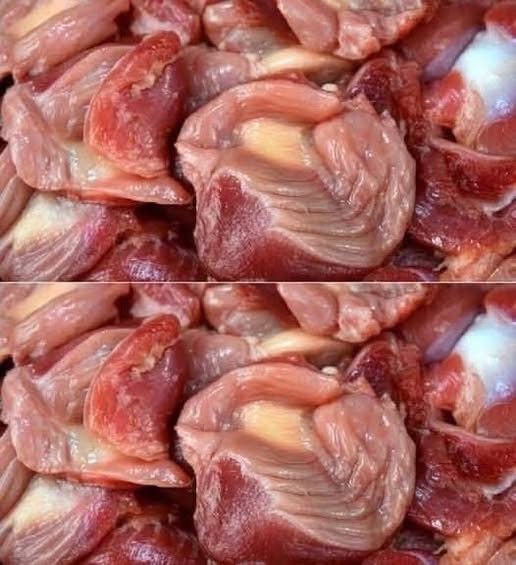
Chicken gizzards are one of nature’s most underrated treasures—often discarded or overlooked, yet bursting with nutrients and culinary potential. This small, muscular organ serves as a second stomach for birds, working tirelessly to grind and digest the seeds and grains that form their diet. Although typically found in chickens, ducks, and turkeys, gizzards are present in nearly all birds, performing a crucial role in their unique digestive systems.
Unlike mammals, birds lack teeth, so their food embarks on a specialized journey: it’s first softened in the crop, then partially digested in the stomach, and finally pulverized in the gizzard. The gizzard’s thick, powerful muscles break down even the toughest food particles, resulting in a dense yet satisfying texture that—when cooked properly—transforms into a tender and deeply flavorful dish.
The Nutritional Powerhouse You’ve Been Missing
Gizzards may be small, but they pack a serious nutritional punch. They are an excellent source of lean protein, making them a favorite among fitness enthusiasts and health-conscious eaters. A single serving of chicken gizzards provides high-quality protein essential for muscle repair, immune support, and overall vitality.
Beyond protein, chicken gizzards are rich in essential vitamins and minerals, including:
- Iron – Supports red blood cell production and helps prevent fatigue and anemia
- Zinc – Boosts immunity, supports wound healing, and promotes healthy skin
- Vitamin B12 – Essential for nerve function, brain health, and energy production
- Niacin (Vitamin B3) – Aids metabolism and supports cardiovascular health
- Selenium – A powerful antioxidant that protects cells from damage
Because gizzards are low in fat and carbohydrates, they are an excellent option for people following low-carb, high-protein, or weight-management diets.
Affordable Nutrition for Every Kitchen
One of the greatest advantages of chicken gizzards is their affordability. As an often-overlooked cut, they are typically much cheaper than chicken breast or thighs while offering comparable—or even superior—nutritional value. This makes them an excellent protein source for families, budget-conscious cooks, and anyone looking to reduce food waste while eating well.
Eating gizzards also aligns with traditional “nose-to-tail” cooking, a practice embraced by many cultures around the world that promotes sustainability and respect for the whole animal.
Culinary Versatility
Across Cultures
Chicken gizzards are celebrated in cuisines across the globe. In Southern cooking, they’re often breaded and fried until crispy on the outside and tender inside. In Asian dishes, gizzards are stir-fried with garlic, soy sauce, and vegetables. African and Middle Eastern cuisines frequently simmer them slowly with spices, onions, and tomatoes to create rich, comforting stews.
When prepared correctly—usually by slow cooking, pressure cooking, or careful frying—gizzards become tender and deeply savory, with a flavor often compared to dark meat chicken but richer and more satisfying.
Health Benefits Beyond the Plate
Regularly including nutrient-dense foods like chicken gizzards in your diet may contribute to:
- Improved energy levels due to high iron and B-vitamin content
- Stronger immune function from zinc and selenium
- Better muscle maintenance thanks to high protein content
- Improved satiety, helping with appetite control
Because they are minimally processed and naturally nutrient-rich, gizzards fit well into whole-food and traditional dietary patterns.
Final Thoughts
Chicken gizzards deserve far more recognition than they receive. Packed with protein, loaded with essential nutrients, budget-friendly, and incredibly versatile in the kitchen, they represent a perfect blend of nutrition, tradition, and flavor. Whether you’re exploring new foods, eating more sustainably, or simply looking for a nourishing and satisfying meal, chicken gizzards are a hidden gem worth rediscovering.
Sometimes, the most powerful foods are the ones we’ve been overlooking all along.