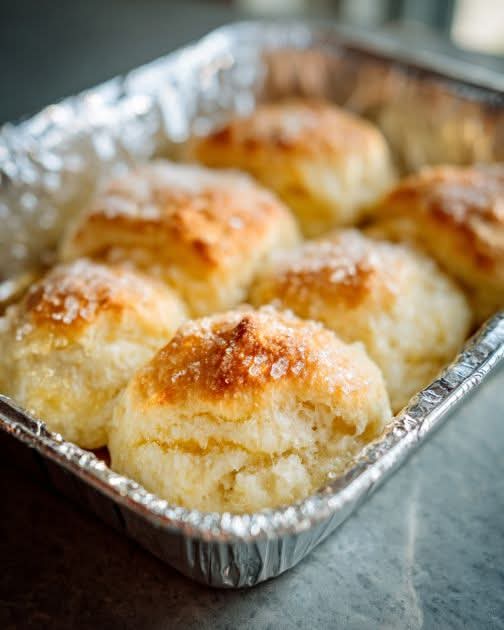
Classic Southern Buttermilk Biscuits: Tall, Fluffy, and Irresistibly Buttery
Nothing captures the heart of Southern comfort food quite like a pan of homemade buttermilk biscuits. These tall, golden beauties—flaky layers on the inside, crisp buttery tops dusted with a sparkle of sugar or simply left plain—are the stuff of family breakfasts, holiday brunches, and lazy weekend mornings. Warm from the oven, slathered with butter, drizzled with honey, or sandwiched around sausage and eggs, they elevate any meal into something special.
Southern buttermilk biscuits have a rich history rooted in resourcefulness. Before baking powder became widespread, cooks relied on buttermilk’s natural acidity combined with baking soda for lift. The result? Incredibly tender, tangy biscuits that rise high and peel apart in delicate layers. Today, this classic recipe remains largely unchanged because perfection doesn’t need tweaking.
Whether you’re a novice baker intimidated by “from-scratch” baking or a seasoned pro seeking the ultimate biscuit recipe, this guide will walk you through every detail. We’ll cover ingredients, technique, troubleshooting, variations, and serving ideas to ensure your biscuits turn out tall, fluffy, and downright addictive every single time.
Why This Buttermilk Biscuit Recipe Works So Well
Great biscuits aren’t about fancy equipment or secret ingredients—they’re about technique and quality ingredients. This recipe has been tested dozens of times to deliver consistent results:
- Cold fat for flakiness: Chunks of frozen butter create steam pockets as they melt, producing those signature layers.
- Buttermilk for tang and tenderness: The acid tenderizes gluten while reacting with leavening for maximum rise.
- Gentle handling: Overworking dough creates tough biscuits; this method keeps things light and minimal.
- High heat: A hot oven ensures the exterior sets quickly while the interior stays soft.
- Touch of sugar on top: Optional, but that subtle crunch from coarse sugar adds magic.
Bakers across the South swear by variations, but this version strikes the perfect balance: tall (at least 2 inches high), buttery, and versatile for sweet or savory applications.
Ingredients for Perfect Buttermilk Biscuits
This recipe yields 8-10 large biscuits (about 3-inch diameter). Double it easily for a crowd.
Dry Ingredients:
- 3 cups (360g) all-purpose flour (preferably White Lily or a soft Southern flour; King Arthur works well too)
- 2 tablespoons baking powder (aluminum-free for best flavor)
- 1 teaspoon baking soda
- 1 tablespoon granulated sugar (optional, for slight sweetness)
- 1 ½ teaspoons kosher salt (or 1 teaspoon table salt)
Wet Ingredients:
- 1 cup (2 sticks / 226g) unsalted butter, frozen for at least 30 minutes
- 1 ¼ cups (300ml) cold buttermilk, shaken well (full-fat preferred)
- 1 large egg (optional, for extra richness—whisk into buttermilk)
For Brushing and Topping:
- 2 tablespoons melted butter (for brushing tops before and after baking)
- Coarse sparkling sugar or turbinado sugar (optional, for sweet crunch)
Ingredient notes:
- Flour: Lower-protein Southern flours create tender biscuits. If using higher-protein flour, handle dough even more gently.
- Butter: European-style (higher fat) or American unsalted—never margarine.
- Buttermilk: Real cultured buttermilk, not milk + vinegar substitute (though that works in a pinch).
Step-by-Step Instructions
Follow these steps carefully for sky-high results.
- Preheat and prepare: Place oven rack in upper-middle position. Preheat to 425°F (220°C). Line a baking sheet with parchment paper or lightly grease an 8-9 inch round cake pan or cast-iron skillet (clustering biscuits helps them rise taller).
- Freeze butter: Grate frozen butter using the large holes of a box grater. Place grated butter in freezer while preparing dry ingredients.
- Mix dry ingredients: In a large mixing bowl, whisk together flour, baking powder, baking soda, sugar, and salt until thoroughly combined.
- Incorporate butter: Add frozen grated butter to flour mixture. Using your fingertips or a pastry blender, quickly toss and pinch until mixture resembles coarse crumbs with pea-sized butter pieces. Work fast—cold butter is key.
- Add buttermilk: Make a well in center. Pour in cold buttermilk (with egg if using). Using a rubber spatula or fork, gently fold until dough just comes together. It should be shaggy and slightly sticky—do not overmix.
- Turn and fold for layers: Turn dough out onto a lightly floured surface. Pat into a rectangle about 1-inch thick. Fold in thirds like a letter. Rotate 90 degrees, pat again, and fold again. Repeat 3-4 times total (this creates layers). Avoid kneading.
- Cut biscuits: Gently pat dough to 1 – 1 ¼ inch thickness (taller = taller biscuits). Using a sharp 2.5-3 inch biscuit cutter dipped in flour, press straight down without twisting. Twisting seals edges and prevents rise.
- Arrange and brush: Place biscuits close together (touching) on prepared pan. Gather scraps gently, pat, and cut remaining biscuits (scrap biscuits will be slightly less tender).
- Bake: Brush tops lightly with melted butter. Sprinkle with coarse sugar if desired. Bake 15-20 minutes until tops are deep golden brown and biscuits have risen dramatically.
- Finish: Remove from oven, brush with more melted butter, and let cool 5 minutes before serving.
Your kitchen will smell incredible, and those biscuits will be impossibly tall and flaky.
Essential Tips and Techniques for Biscuit Success
- Keep everything cold: Cold butter, cold buttermilk, even chill bowl if possible. Warm ingredients = flat biscuits.
- Don’t overwork dough: The less you handle it, the more tender the result.
- Sharp cutter: Dull edges compress layers. Use metal biscuit cutter, not glass.
- No twisting: Press straight down and up.
- Bake hot and fast: 425°F creates steam for maximum lift.
- Measure flour correctly: Spoon and level or weigh for accuracy.
- Buttermilk substitute: 1 ¼ cups milk + 1 tablespoon lemon juice or vinegar—let sit 10 minutes.
- Make-ahead: Cut biscuits can be frozen unbaked up to 2 months. Bake from frozen, adding 3-5 minutes.
Troubleshooting Common Biscuit Problems
- Flat biscuits: Dough too warm, overworked, old leavening, or oven not hot enough.
- Tough texture: Overmixed dough or too much flour.
- Dry/crumbly: Not enough buttermilk or overbaked.
- Uneven rise: Twisting cutter or uneven dough thickness.
- Pale tops: Increase oven temp or move to higher rack.
With practice, you’ll master the feel of perfect dough.
Delicious Variations to Try
Once you’ve nailed the classic, experiment:
- Cheese Biscuits: Add 1 cup shredded sharp cheddar + ½ teaspoon garlic powder.
- Herb Biscuits: Mix in 2 tablespoons chopped chives or rosemary.
- Sweet Biscuits: Increase sugar to ¼ cup, add vanilla to buttermilk.
- Bacon & Chive: Fold in cooked crumbled bacon and chives.
- Drop Biscuits: Skip folding/cutting—scoop dough for rustic version.
- Mini Biscuits: Use 1.5-inch cutter for sliders.
- Gluten-Free: Use 1:1 GF flour blend + xanthan gum if needed.
How to Serve Buttermilk Biscuits
The possibilities are endless:
- Breakfast: With sausage gravy, fried eggs, or bacon.
- Brunch: Strawberry shortcake with whipped cream.
- Dinner: Alongside fried chicken, pot roast, or soup.
- Sweet: Honey butter, jam, or sorghum syrup.
- Sandwiches: Ham biscuits, chicken biscuits, or pimento cheese.
Best served warm. Reheat leftovers at 350°F for 5-7 minutes.
Storage and Freezing
- Room temperature: In airtight container up to 2 days.
- Refrigerator: Up to 5 days (though texture suffers).
- Freezer: Baked biscuits freeze well up to 3 months. Reheat from frozen.
- Unbaked: Freeze cut biscuits solid, then store in bag. Bake as needed.
Nutritional Information (Per Biscuit, Approximate)
For 10 biscuits:
- Calories: 290
- Fat: 18g
- Carbohydrates: 28g
- Protein: 4g
Values vary based on exact measurements and additions.
The History of Southern Biscuits
Biscuits as we know them emerged in the American South during the 19th century. Enslaved cooks perfected techniques using available ingredients, creating tall, tender biscuits that became iconic. Figures like Edna Lewis and Nathalie Dupree later championed traditional methods in cookbooks.
Today, biscuit debates rage—folded vs. rolled, grated butter vs. cubed, cast iron vs. baking sheet—but the love for this simple pleasure unites everyone.
These classic Southern buttermilk biscuits are more than bread—they’re comfort, tradition, and pure joy in every flaky bite. Bake a batch this weekend, share with loved ones, and create memories that will last.
Happy baking!