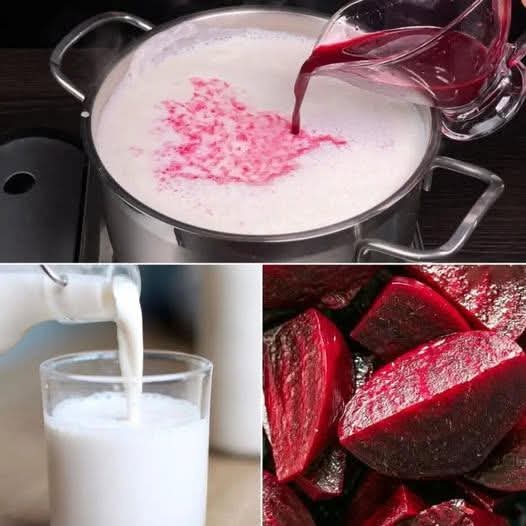
Authentic Lithuanian Šaltibarščiai (Cold Beet Soup): A Refreshing Pink Summer Classic
If you’re searching for a vibrant, refreshing, and utterly delicious cold soup that screams summer, look no further than Šaltibarščiai—the iconic Lithuanian chilled beet soup. This stunning bright pink dish, made with fresh beets, tangy kefir or buttermilk, crisp cucumbers, and fresh dill, is a staple in Lithuanian kitchens during warm weather. Served ice-cold with a side of hot boiled potatoes, it’s light yet satisfying, healthy, and bursting with earthy, creamy, and herby flavors.
Šaltibarščiai (pronounced roughly as “shal-tee-barsh-chay”) literally translates to “cold borscht,” distinguishing it from its hot cousin enjoyed in winter. While borscht variations exist across Eastern Europe, the Lithuanian version stands out for its creamy dairy base, vivid color, and no-cook (or minimal-cook) preparation. It’s the perfect no-fuss meal for hot days when turning on the oven feels impossible.
This traditional recipe has been passed down through generations, with every family adding their personal touch. It’s naturally gluten-free, vegetarian, packed with probiotics from fermented dairy, and loaded with vitamins from fresh vegetables. Whether you’re of Lithuanian heritage reconnecting with your roots or simply love exploring international cuisine, this šaltibarščiai will become your new summer obsession.
Why You’ll Fall in Love with Šaltibarščiai
There are countless reasons this cold beet soup deserves a permanent spot in your recipe collection.
First, it’s incredibly refreshing. The combination of chilled creamy kefir, juicy beets, and crunchy cucumbers creates a cooling effect that’s unbeatable on sweltering days. Unlike heavy creamy soups, this one feels light and invigorating.
Second, the vibrant pink color is simply show-stopping. Naturally dyed by beets, it turns the most brilliant shade of fuchsia when mixed with dairy—perfect for impressing guests or brightening up your social media feed.
Third, it’s healthy and nutritious. Beets are rich in folate, manganese, and nitrates that support heart health. Kefir provides probiotics for gut health, while cucumbers add hydration and crunch. Fresh herbs like dill boost antioxidants. It’s low-calorie yet filling, making it ideal for light lunches or as a starter.
Preparation is effortless. Most versions require minimal cooking—just boiling beets and potatoes (or using pre-cooked beets to make it truly no-cook). Assembly takes minutes, and it tastes even better after chilling overnight as flavors meld.
Finally, it’s versatile and forgiving. Adjust thickness, tanginess, or vegetable ratios to your liking. Serve it as a soup, dip, or even drink it straight from a glass on the go.
Lithuanians proudly claim šaltibarščiai as their national summer dish, often enjoying it multiple times a week during beet season. Once you try it, you’ll understand why.
Ingredients You’ll Need
This recipe serves 6-8 generous portions. Use the freshest ingredients possible for the best flavor.
For the Soup Base:
- 4-5 medium fresh beets (about 1 pound / 500g), cooked and peeled (or 4-5 pre-cooked vacuum-packed beets for convenience)
- 1 large English cucumber (or 2-3 smaller ones), partially peeled
- 1 liter (about 4 cups) plain kefir (preferably full-fat, unsweetened; buttermilk is a traditional substitute)
- 500 ml (2 cups) cold water (adjust for desired thickness)
- 200-300 ml (about 1 cup) sour cream (full-fat for creaminess; optional but recommended)
- 4-6 hard-boiled eggs, peeled and chopped (reserve some for garnish)
- 1 large bunch fresh dill, finely chopped (about 1 cup chopped; stems discarded)
- 6-8 green onions (scallions), thinly sliced (green and white parts)
- Juice of 1-2 lemons (to taste, for tanginess)
- Salt and freshly ground black pepper, to taste
For Serving:
- 1.5-2 kg (3-4 pounds) small new potatoes (waxy varieties like Yukon Gold or fingerling)
- Extra chopped dill and green onions for garnish
- Optional: Radishes, thinly sliced, for extra crunch
Notes on Ingredients:
- Kefir vs. Buttermilk: Traditional recipes use rūgpienis (a Lithuanian fermented milk similar to kefir) or buttermilk. Kefir gives the best flavor and probiotic boost.
- Beets: Fresh boiled beets yield the most intense color and flavor. Avoid canned beets in vinegar.
- Herbs: Fresh dill is non-negotiable—dried won’t do. Some families add parsley or chives.
- Thickness: Lithuanians prefer it drinkable but spoonable—adjust liquid as needed.
All ingredients are widely available, especially in summer when beets and cucumbers are at their peak.
Step-by-Step Instructions
Making authentic šaltibarščiai is straightforward. Here’s how:
- Cook the beets (if using fresh): Wash beets thoroughly, leaving skins on. Place in a pot, cover with water, add a pinch of salt, and boil for 40-60 minutes until fork-tender (time depends on size). Drain, cool under cold water, and peel—the skins slip off easily. Grate coarsely on a box grater or cut into thin matchsticks (julienne). Reserve any cooking liquid for extra color.
- Prepare the vegetables: Peel the cucumber in stripes (leaving some skin for color and texture), then grate or julienne finely. Chop the hard-boiled eggs. Finely chop the dill and slice the green onions.
- Boil the potatoes: Wash potatoes thoroughly (no need to peel if using new potatoes). Boil in salted water until tender, about 15-20 minutes. Drain and keep hot for serving.
- Assemble the soup: In a large bowl or pot, combine grated/julienned beets, cucumber, chopped eggs, dill, and green onions.
- Add the dairy: Pour in the kefir and sour cream. Mix gently. Add cold water gradually until you reach your preferred consistency—some like it thick like yogurt, others thinner.
- Season: Add lemon juice (start with one lemon), salt, and black pepper. Taste and adjust— it should be tangy, salty, and well-balanced. The color will intensify to bright pink as you stir.
- Chill: Cover and refrigerate for at least 2 hours, preferably overnight. Flavors deepen beautifully.
- Serve: Ladle cold šaltibarščiai into bowls. Garnish with extra dill, green onions, and egg pieces if desired. Serve with hot boiled potatoes on the side (traditionally eaten by dipping potato pieces into the soup).
Enjoy immediately— the contrast of cold soup and hot potatoes is magical!
Essential Tips for Perfect Šaltibarščiai
- Color intensity: Use freshly cooked beets and stir well. Adding a splash of beet cooking liquid boosts the pink hue.
- Texture: Julienne cuts give a more traditional texture than grating, but grating is faster.
- Tanginess: Lemon juice brightens the flavor—don’t skip it. Some add a touch of vinegar.
- No heat after assembly: Once dairy is added, do not heat the soup—it must stay cold.
- Make-ahead: Prepare up to 2 days in advance; it improves with time.
- Too thick/thin?: Adjust with more kefir/water or sour cream.
- Vegan version: Use plant-based kefir/yogurt and omit eggs—still delicious.
- Common mistakes: Using pickled beets (changes flavor drastically) or skimping on dill.
Follow these, and you’ll achieve restaurant-quality results at home.
Delicious Variations to Explore
While classic šaltibarščiai is perfection, regional and modern twists abound:
- With radishes: Add thinly sliced radishes for peppery crunch.
- Extra creamy: Blend half the soup for a smoother texture.
- Garlicky: Some families add a minced garlic clove.
- With smoked fish: A non-traditional but tasty addition in coastal areas.
- Green version: Use young beet greens for extra nutrition.
- Spicy kick: Add horseradish or hot sauce.
- Low-carb: Serve with cauliflower “potatoes” instead.
- Deconstructed: Serve components separately for picky eaters.
The beauty of this soup is its adaptability—make it your own!
How to Serve Authentic Šaltibarščiai
Presentation is simple but elegant:
- Serve in deep bowls or wide glasses for a modern touch.
- Always with hot boiled potatoes—never cold.
- Garnish generously with dill and green onions.
- Pair with dark rye bread or Lithuanian potato pancakes (bulviniai blynai).
- Beverage pairings: Cold Lithuanian beer (Švyturys or Kalnapilis), kvass, or sparkling water with lemon.
It’s wonderful as a light lunch, appetizer, or even breakfast in summer.
Storage and Food Safety
- Refrigerator: Store in an airtight container up to 3-4 days. Stir before serving as it may separate.
- Freezing: Not recommended—dairy separates and texture suffers.
- Food safety: Keep chilled below 40°F/4°C. Discard if left out longer than 2 hours.
Nutritional Information (Per Serving, Approximate)
Based on 8 servings (without potatoes):
- Calories: 180-220
- Protein: 10g
- Carbohydrates: 18g
- Fat: 9g
- Fiber: 3g
- Rich in: Probiotics, vitamin C, folate, potassium
Values vary based on dairy fat content and additions.
History and Cultural Significance
Šaltibarščiai traces its roots to ancient Slavic and Baltic culinary traditions, evolving from simple fermented beet drinks. In Lithuania, it became refined with the introduction of kefir-like fermented milk.
It’s deeply tied to summer, harvest, and family gatherings. During Soviet times, it remained a symbol of home cooking despite shortages. Today, it’s celebrated at festivals and featured in Lithuanian restaurants worldwide.
No Lithuanian summer table is complete without a pitcher of this pink beauty.
Frequently Asked Questions
Can I use canned beets?
Avoid if possible—fresh or pre-cooked plain beets taste better and give brighter color.
What if I can’t find kefir?
Use buttermilk or thinned plain yogurt with a splash of lemon.
Is it supposed to be sweet?
No—authentic versions are tangy and savory, not sweet like some Russian borscht.
Can kids eat it?
Absolutely—many Lithuanian children grow up loving it.
Why does the color fade?
Over time or with too much lemon, it may dull. Eat within a few days for best vibrancy.
This authentic Lithuanian šaltibarščiai is more than a soup—it’s a celebration of summer in a bowl. Cool, creamy, colorful, and utterly addictive. Make a big batch, invite friends, and experience a true taste of Lithuania.
Skanaus! (Bon appétit!)