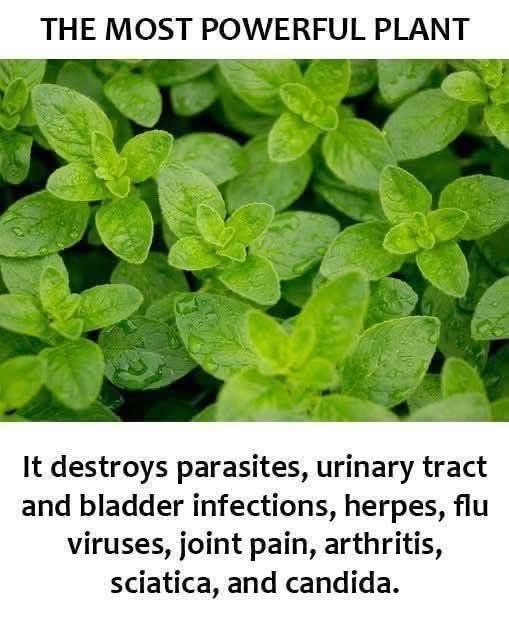
Oregano is often called “the most powerful plant” not because of myth or exaggeration, but because of the remarkable concentration of natural compounds it contains and the wide range of benefits attributed to it across history, medicine, and everyday life. Though small and humble in appearance, oregano has played a powerful role in human culture for thousands of years, serving as both a beloved culinary herb and a respected medicinal plant. Its strength lies in its chemistry, its versatility, and its enduring relevance in modern science.
A Brief Introduction to Oregano
Oregano (Origanum vulgare) is a perennial herb belonging to the mint family. Native to the Mediterranean region, it thrives in warm climates and rocky soil, developing small oval leaves and tiny purple or white flowers. While it is now used worldwide, oregano has deep roots in Greek, Roman, and Middle Eastern traditions. The name “oregano” comes from the Greek words oros(mountain) and ganos (joy), meaning “joy of the mountain,” reflecting how highly it was valued in ancient times.
Historical Significance and Traditional Uses
In ancient Greece, oregano symbolized happiness and health. Greek physicians, including Hippocrates, used it as an antiseptic and as a remedy for respiratory and digestive issues. Roman soldiers carried oregano to disinfect wounds, while ancient Egyptians used it in preservation and healing rituals. Across North Africa and the Middle East, oregano-infused teas and oils were traditionally used to treat colds, stomach pain, and infections. These early uses laid the foundation for oregano’s reputation as a powerful natural healer.
The Science Behind Oregano’s Power
What truly sets oregano apart is its exceptionally high concentration of bioactive compounds. The most notable are carvacrol and thymol, two potent phenols with strong antimicrobial and antioxidant properties. These compounds help protect the plant from pests and disease, and when consumed by humans, they offer similar protective benefits. Oregano also contains rosmarinic acid, flavonoids, and terpenes, all of which contribute to its medicinal strength.
Studies have shown that oregano oil, in particular, can be effective against bacteria, fungi, and even certain viruses. Some research suggests that oregano oil can combat antibiotic-resistant bacteria, which has made it a subject of growing interest in modern medical and pharmaceutical research.
Health Benefits of Oregano
Oregano supports health in multiple ways. Its antioxidant properties help neutralize free radicals, reducing oxidative stress and supporting cellular health. Its antimicrobial effects make it useful in fighting infections and supporting the immune system. Oregano has also been associated with improved digestion, as it may help stimulate bile flow and reduce bloating and intestinal discomfort.
Additionally, oregano has anti-inflammatory properties that may help ease joint pain and muscle soreness. Some studies suggest it may play a role in supporting heart health by reducing inflammation and oxidative damage. Oregano is also a source of essential vitamins and minerals, including vitamin K, vitamin A, vitamin C, calcium, iron, and manganese.
Oregano in Modern Natural Medicine
Today, oregano is widely used in natural and alternative medicine, especially in the form of oregano oil. This concentrated extract is often taken in capsules or diluted for topical use. It is commonly used to support immune health, respiratory function, and gut balance. However, due to its potency, oregano oil must be used carefully and responsibly, usually diluted and taken in appropriate doses.
Herbalists and nutritionists continue to study oregano for its potential role in combating modern health challenges, including infections, inflammation, and oxidative stress. Its natural strength has made it a popular choice for those seeking plant-based remedies.
Culinary Power and Nutritional Value
Beyond medicine, oregano is a cornerstone of many cuisines, particularly Mediterranean, Italian, Greek, and Middle Eastern cooking. Its strong aroma and slightly bitter, earthy flavor enhance sauces, meats, vegetables, and breads. Cooking with oregano not only improves taste but also adds nutritional value to meals. Even in dried form, oregano retains many of its beneficial compounds, making it one of the most antioxidant-rich herbs used in everyday cooking.
Why Oregano Stands Out Among Plants
Many plants offer health benefits, but oregano stands out because of its unique combination of potency, accessibility, and versatility. It is easy to grow, affordable, and widely available, yet incredibly rich in powerful compounds. Few herbs can claim such a broad spectrum of uses—from ancient wound care to modern antimicrobial research, from traditional teas to everyday cuisine.
Conclusion
Oregano’s reputation as “the most powerful plant” is well-earned. Its long history in traditional medicine, its scientifically supported health benefits, and its essential role in global cuisine all point to a plant that is far greater than its size suggests. Oregano reminds us that nature often hides its greatest strengths in the simplest forms. Whether used as a healing herb, a flavorful spice, or a natural supplement, oregano continues to prove that true power can come from the most unassuming leaves.