Introduction
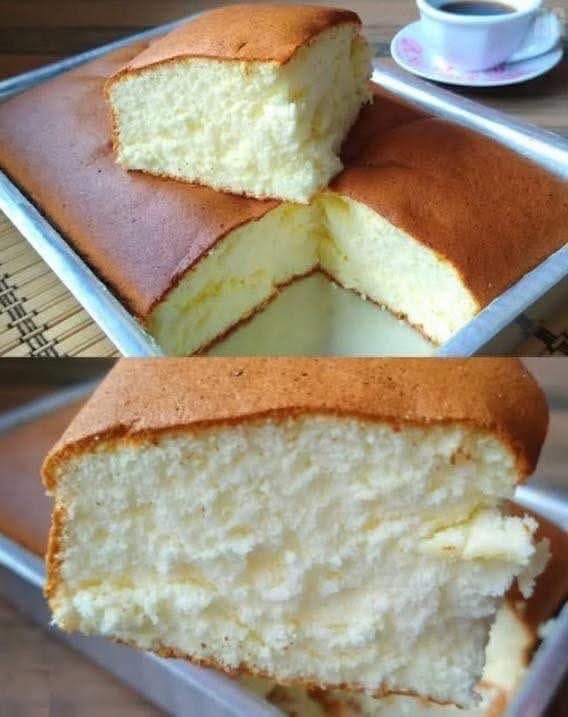
This soft and fluffy sponge cake is loved for its cloud-like texture and delicate sweetness. It is lighter than traditional butter cakes and less dense than classic cheesecakes, making it perfect for breakfast, tea time, or light desserts. The cake rises beautifully in the oven and stays moist for days. Its simple ingredients and elegant appearance make it a favorite across Asia and beyond.
Ingredients
Main Ingredients
- 6 large eggs (separated into whites and yolks)
- 120 g granulated sugar (½ cup), divided
- 120 ml milk (½ cup), warm
- 80 ml vegetable oil (⅓ cup)
- 120 g cake flour (1 cup)
- 1 tablespoon cornstarch
- 1 teaspoon vanilla extract
- ¼ teaspoon salt
- 1 teaspoon lemon juice or white vinegar
Optional Flavor Additions
- Lemon zest for freshness
- Powdered sugar for dusting
- Honey or syrup for brushing the top
Equipment Needed
- Rectangular or square baking pan
- Parchment paper
- Electric mixer or hand whisk
- Mixing bowls
- Rubber spatula
Preparation Method
Step 1: Prepare the Pan
Line the baking pan with parchment paper, covering the bottom and sides. Preheat the oven to 160°C (320°F).
Step 2: Make the Milk Base
In a bowl, mix warm milk and oil until fully combined. Add vanilla extract and salt.
Step 3: Add Egg Yolks
Whisk in the egg yolks one by one until the mixture becomes smooth and creamy.
Step 4: Incorporate Dry Ingredients
Sift cake flour and cornstarch into the batter. Gently whisk until smooth and lump-free. Do not overmix.
Step 5: Whip the Egg Whites
In a clean bowl, beat egg whites with lemon juice until foamy. Gradually add sugar and continue beating until soft peaks form.
Step 6: Fold the Batter
Gently fold one-third of the egg whites into the yolk mixture to loosen it. Then carefully fold in the remaining whites using a spatula, preserving as much air as possible.
Baking Instructions
Pour the batter into the prepared pan and tap lightly to remove large air bubbles. Bake at 160°C (320°F) for 50–60 minutes until the top is golden and a toothpick inserted comes out clean. Turn off the oven and let the cake rest inside for 10 minutes before removing to prevent collapse.
Cooling and Serving
Allow the cake to cool completely in the pan. Slice gently using a sharp knife. Serve plain, with tea or coffee, or topped with fresh fruit and whipped cream.
History
Japanese sponge cakes gained popularity after Western baking techniques were introduced to Japan in the early 20th century. Japanese bakers refined these methods to create lighter, less sweet desserts that emphasize texture and balance. This style of cake reflects Japanese culinary philosophy—simplicity, softness, and harmony.
Benefits
- Light and easy to digest
- Lower in fat than butter cakes
- High in protein from eggs
- Perfect for children and elderly
- Can be customized with flavors
Texture Formation
The signature fluffy texture comes from whipped egg whites and gentle folding. Steam created during baking helps the cake rise evenly, resulting in a soft, cotton-like crumb.
Nutrition (Approximate per slice)
- Calories: 180–220 kcal
- Protein: 6 g
- Fat: 8 g
- Carbohydrates: 24 g
- Sugar: 12 g
Why People Love This Cake
Cake lovers adore this recipe because it is soft, not overly sweet, and incredibly satisfying without feeling heavy. Its elegant simplicity makes it suitable for everyday enjoyment and special occasions alike.
Conclusion
This fluffy Japanese sponge cake is a timeless dessert that combines simplicity with elegance. With its airy texture, gentle sweetness, and beautiful rise, it is a recipe worth mastering. Whether enjoyed plain or dressed up with toppings, this cake always delivers comfort and joy.
This soft and fluffy sponge cake is loved for its cloud-like texture and delicate sweetness. It is lighter than traditional butter cakes and less dense than classic cheesecakes, making it perfect for breakfast, tea time, or light desserts. The cake rises beautifully in the oven and stays moist for days. Its simple ingredients and elegant appearance make it a favorite across Asia and beyond.
Ingredients
Main Ingredients
- 6 large eggs (separated into whites and yolks)
- 120 g granulated sugar (½ cup), divided
- 120 ml milk (½ cup), warm
- 80 ml vegetable oil (⅓ cup)
- 120 g cake flour (1 cup)
- 1 tablespoon cornstarch
- 1 teaspoon vanilla extract
- ¼ teaspoon salt
- 1 teaspoon lemon juice or white vinegar
Optional Flavor Additions
- Lemon zest for freshness
- Powdered sugar for dusting
- Honey or syrup for brushing the top
Equipment Needed
- Rectangular or square baking pan
- Parchment paper
- Electric mixer or hand whisk
- Mixing bowls
- Rubber spatula
Preparation Method
Step 1: Prepare the Pan
Line the baking pan with parchment paper, covering the bottom and sides. Preheat the oven to 160°C (320°F).
Step 2: Make the Milk Base
In a bowl, mix warm milk and oil until fully combined. Add vanilla extract and salt.
Step 3: Add Egg Yolks
Whisk in the egg yolks one by one until the mixture becomes smooth and creamy.
Step 4: Incorporate Dry Ingredients
Sift cake flour and cornstarch into the batter. Gently whisk until smooth and lump-free. Do not overmix.
Step 5: Whip the Egg Whites
In a clean bowl, beat egg whites with lemon juice until foamy. Gradually add sugar and continue beating until soft peaks form.
Step 6: Fold the Batter
Gently fold one-third of the egg whites into the yolk mixture to loosen it. Then carefully fold in the remaining whites using a spatula, preserving as much air as possible.
Baking Instructions
Pour the batter into the prepared pan and tap lightly to remove large air bubbles. Bake at 160°C (320°F) for 50–60 minutes until the top is golden and a toothpick inserted comes out clean. Turn off the oven and let the cake rest inside for 10 minutes before removing to prevent collapse.
Cooling and Serving
Allow the cake to cool completely in the pan. Slice gently using a sharp knife. Serve plain, with tea or coffee, or topped with fresh fruit and whipped cream.
History
Japanese sponge cakes gained popularity after Western baking techniques were introduced to Japan in the early 20th century. Japanese bakers refined these methods to create lighter, less sweet desserts that emphasize texture and balance. This style of cake reflects Japanese culinary philosophy—simplicity, softness, and harmony.
Benefits
- Light and easy to digest
- Lower in fat than butter cakes
- High in protein from eggs
- Perfect for children and elderly
- Can be customized with flavors
Texture Formation
The signature fluffy texture comes from whipped egg whites and gentle folding. Steam created during baking helps the cake rise evenly, resulting in a soft, cotton-like crumb.
Nutrition (Approximate per slice)
- Calories: 180–220 kcal
- Protein: 6 g
- Fat: 8 g
- Carbohydrates: 24 g
- Sugar: 12 g
Why People Love This Cake
Cake lovers adore this recipe because it is soft, not overly sweet, and incredibly satisfying without feeling heavy. Its elegant simplicity makes it suitable for everyday enjoyment and special occasions alike.
Conclusion
This fluffy Japanese sponge cake is a timeless dessert that combines simplicity with elegance. With its airy texture, gentle sweetness, and beautiful rise, it is a recipe worth mastering. Whether enjoyed plain or dressed up with toppings, this cake always delivers comfort and joy.