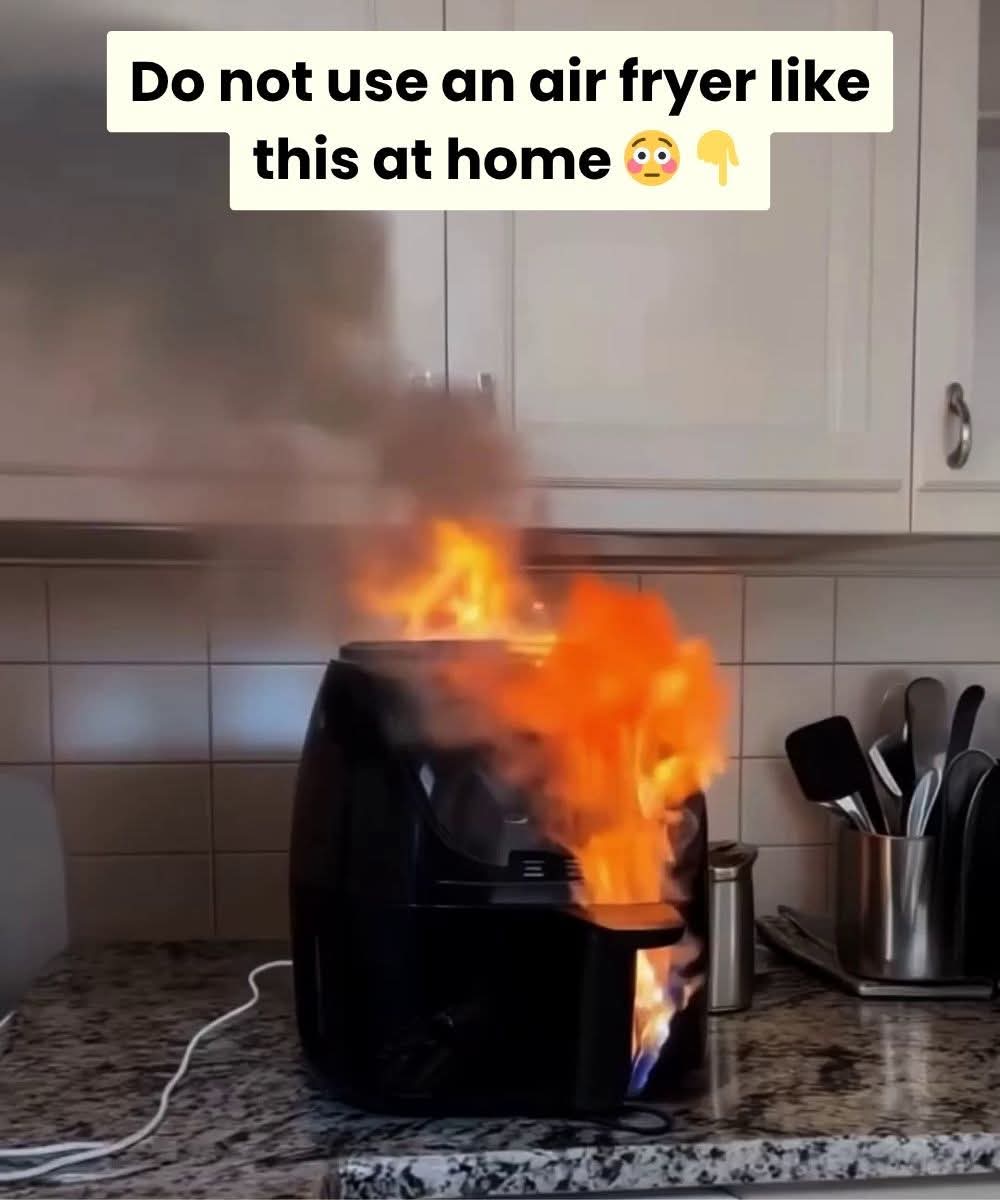
Air Fryer Fire Hazards: Why Viral Warnings Are a Wake-Up Call for Safe Usage
Air fryers have revolutionized home cooking, offering crispy results with minimal oil and quick cook times. However, viral warnings—often featuring dramatic images of appliances engulfed in flames—highlight real risks. These incidents typically stem from user errors, poor maintenance, or manufacturing defects, turning a convenient kitchen tool into a potential fire hazard. In this comprehensive guide, we’ll break down the common causes, real-world incidents, recalls, prevention tips, and expert advice to help you use your air fryer safely and confidently.
Understanding How Air Fryers Work—and Why They Can Catch Fire
Air fryers function by circulating rapid hot air (often reaching internal temperatures up to 500°F or 260°C) around food using a powerful heating element and fan. This convection method mimics deep frying but with far less oil. While efficient, the high heat introduces risks:
- Grease and food residue buildup: Crumbs, drippings, or oil accumulate in the basket, tray, or heating coil, igniting when overheated.
- Component overheating: Faulty wiring, blocked air vents, or prolonged use can cause parts to melt, spark, or fail.
- User-related issues: Adding too much oil, improper placement, or leaving the unit unattended.
- Electrical problems: Damaged power cords, use of extension leads, or power surges.
When properly maintained, air fryers are no more dangerous than other hot appliances like toasters or ovens. Neglect, however, can escalate small issues into serious fires.
Common Mistakes That Lead to Air Fryer Fires
Most reported incidents are preventable and trace back to everyday oversights:
- Placing the air fryer on or near a stovetop: Accidentally turning on a burner can melt the plastic base or ignite nearby materials.
- Inadequate cleaning: Allowing grease to build up on the heating element or interior surfaces creates fuel for flames.
- Overfilling the basket or using excess oil: Spills drip onto hot components, producing smoke and potential ignition.
- Blocking ventilation: Positioning the unit too close to walls, under cabinets, or with obstructed vents traps heat.
- Leaving it unattended or plugged in constantly: Increases risk of unnoticed overheating or electrical faults.
- Using inappropriate accessories: Flammable parchment paper, plastic utensils, or aerosol cooking sprays that pool oil.
- Relying on extension cords: These can overload and overheat, especially with high-wattage models.
Fire departments and safety experts consistently attribute the majority of cases to user error rather than inherent design flaws.
Real-World Incidents and Recalls: The Evidence of Risk
As air fryer ownership has skyrocketed, so have related fire reports. In the UK alone, fire services responded to hundreds of incidents since 2022, with damages ranging from minor scorching to full kitchen fires costing tens of thousands in repairs. Insurance claims have spiked, with some exceeding £80,000.
Notable recalls underscore manufacturing concerns:
- 2024 Insignia models (Best Buy): Over 187,000 units recalled after reports of melting, shattering, and fires.
- PowerXL and Cosori recalls (2023-2024): Millions of units pulled due to faulty wiring connections leading to overheating and burn risks.
- Ongoing reports: Users describe melting handles, exploding baskets, or spontaneous ignition during normal use.
While no brand is entirely immune, lower-cost or off-brand models often feature in more complaints due to thinner materials or less rigorous testing.
Essential Air Fryer Safety Tips: Prevention Is Key
Follow these straightforward, expert-backed guidelines to minimize risks:
- Clean thoroughly after every use: Wash the basket and tray; wipe interior surfaces. Perform a monthly deep clean by removing and soaking removable parts and gently brushing the heating coil (when cool and unplugged).
- Position correctly: Place on a flat, stable, heat-resistant countertop with at least 5 inches (13 cm) of clearance on all sides and above. Never under overhead cabinets or on a stove.
- Use oil sparingly: Brush or toss food lightly rather than pouring. Avoid aerosol sprays, which can leave sticky residue on coils.
- Monitor while in use: Stay nearby and never leave the kitchen during operation.
- Unplug when finished: Reduces electrical surge risks.
- Avoid extension cords: Plug directly into a wall outlet rated for the wattage.
- Inspect regularly: Check for cord damage, unusual odors, smoke, or noises—discontinue use and contact the manufacturer if noticed.
- Choose safe accessories: Use only oven-rated parchment (weighted down) and metal or silicone tools.
- In case of fire: Do not use water on grease or electrical fires. Smother small flames with a metal lid, use a Class B or ABC fire extinguisher, or evacuate and call emergency services.
Register your appliance with the manufacturer for recall notifications and always follow the user manual.
Final Thoughts: Enjoy Crispy Meals Without the Worry
Viral warnings serve an important purpose: They remind us that even popular, “safe” appliances require basic care and attention. Millions of people use air fryers daily without incident, enjoying healthier fried favorites. By understanding the risks and adopting simple habits—chiefly regular cleaning and mindful operation—you can keep your kitchen safe while reaping the benefits.
If you own a model subject to recall, stop using it immediately and follow the manufacturer’s instructions for repair or replacement. Safe cooking starts with awareness—stay vigilant and enjoy your air fryer responsibly!