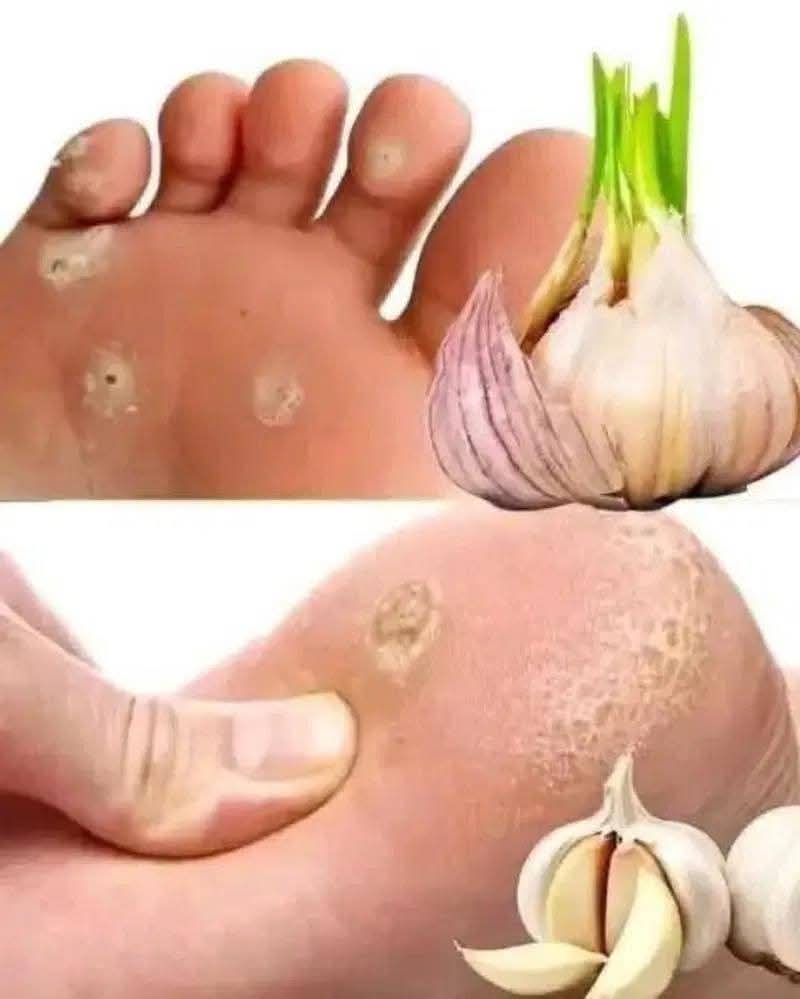
Does Garlic Really Remove Warts? A Comprehensive Guide to the Popular Home Remedy
Warts, particularly plantar warts on the feet, are a common skin issue that affects millions worldwide. Caused by the human papillomavirus (HPV), these stubborn growths can be painful, embarrassing, and persistent. In recent years, social media and viral posts have popularized the idea that applying fresh garlic can eliminate warts quickly. But is this remedy fact or fiction? In this in-depth article, we’ll explore the science behind garlic for warts, its potential benefits, serious risks, evidence-based alternatives, and expert recommendations to help you make informed decisions.
What Are Warts and Why Do They Appear?
Warts are benign (non-cancerous) skin growths triggered by HPV infection. There are over 100 strains of HPV, but only a few cause common skin warts:
- Common warts: Rough, raised bumps often on hands or fingers.
- Plantar warts: Hard, grainy growths on the soles of the feet, often painful due to pressure from walking.
- Flat warts: Smaller, smoother, and often on the face or legs.
HPV enters the skin through tiny cuts or weakened areas, thriving in warm, moist environments like public showers or pools. Warts are contagious and can spread to other body parts or people. While many warts resolve on their own within 1-2 years as the immune system fights the virus, others linger, especially in children, immunocompromised individuals, or those with plantar warts.
The Garlic Remedy: How It’s Supposed to Work
The popular garlic method typically involves:
- Crushing a fresh garlic clove to release allicin (garlic’s active compound).
- Applying the crushed garlic or a slice directly to the wart.
- Covering with a bandage or tape overnight.
- Repeating daily until the wart “falls off.”
Proponents claim allicin has antiviral, antimicrobial, and immune-boosting properties that attack HPV and cause the wart to die and peel away.
What Does the Science Say?
Garlic has been used in folk medicine for centuries, and some small studies suggest limited potential:
- A 2005 study on lipid garlic extract showed complete resolution of warts and corns in some patients.
- A 2018 trial found 10% garlic extract comparable to cryotherapy for certain warts.
- Anecdotal reports and older studies claim high success rates with minimal side effects beyond odor.
However, major medical sources emphasize that evidence is weak and inconsistent:
- Reviews from Cochrane, Mayo Clinic, and dermatology experts state there’s insufficient high-quality evidence to recommend garlic.
- Small studies often lack controls, large sample sizes, or long-term follow-up.
- Placebo effects are high with warts (up to 30% resolve naturally).
- Organizations and dermatologists explicitly advise against garlic as a first-line treatment.
In short: It might work for some due to garlic’s irritant properties (essentially burning the wart), but it’s not reliably proven or superior to proven methods.
Serious Risks and Side Effects of Using Garlic on Skin
While garlic is safe to eat, applying raw garlic topically is highly irritating and can cause more harm than good:
- Chemical burns: Fresh garlic can cause second-degree burns, blisters, redness, and scarring—especially under occlusion (covered with tape).
- Irritant or allergic contact dermatitis: Severe inflammation, vesicles, and pain.
- Koebner phenomenon: Trauma from irritation can spread HPV, causing new warts around the treated area.
- Infection risk: Open burns or blisters increase chances of bacterial infection.
Medical literature documents multiple cases of garlic-induced skin lesions when used for warts. Experts strongly caution against it, especially on sensitive areas like feet, face, or genitals.
Proven, Evidence-Based Treatments for Warts
Fortunately, safer and more effective options exist. Success rates vary (50-80%), and multiple sessions may be needed:
- Salicylic Acid (Topical): Over-the-counter peels or plasters (e.g., 17-40% strength). Softens and removes layers. Cure rate: 50-70%. First-line recommendation.
- Cryotherapy (Freezing): Liquid nitrogen applied by a doctor. Destroys wart tissue. Effective for plantar warts (often 2-4 sessions).
- Duct Tape Occlusion: Cover wart for 6 days, soak/file, repeat. Some evidence, but less effective than salicylic acid.
- Cantharidin or Other Chemicals: Doctor-applied blistering agents.
- Laser, Surgery, or Immunotherapy: For stubborn or recurrent warts.
Combine methods (e.g., salicylic acid + cryotherapy) for better results. Always consult a dermatologist or podiatrist for plantar warts, as self-treatment can worsen pain.
Prevention Tips to Avoid Warts
- Wear flip-flops in public showers/pools.
- Keep feet dry and clean.
- Avoid picking or scratching warts.
- Boost immunity with a healthy diet, exercise, and HPV vaccination (prevents some strains, including genital).
When to See a Doctor
Seek professional help if:
- The wart is painful, bleeding, or spreading.
- You’re unsure it’s a wart (could be a corn, callus, or skin cancer).
- Home attempts fail or cause irritation.
- You have diabetes, poor circulation, or weakened immunity (higher risk of complications).
Final Thoughts: Skip the Garlic Hype
The garlic-for-warts trend may stem from a few positive anecdotes and garlic’s natural antiviral reputation, but the risks—burns, scarring, and potential spreading—far outweigh unproven benefits. Dermatologists and evidence-based guidelines do not recommend it. Stick to proven treatments like salicylic acid or professional cryotherapy for safe, reliable results.
If you’re dealing with persistent warts, consult a healthcare provider rather than relying on viral remedies. Your skin will thank you!