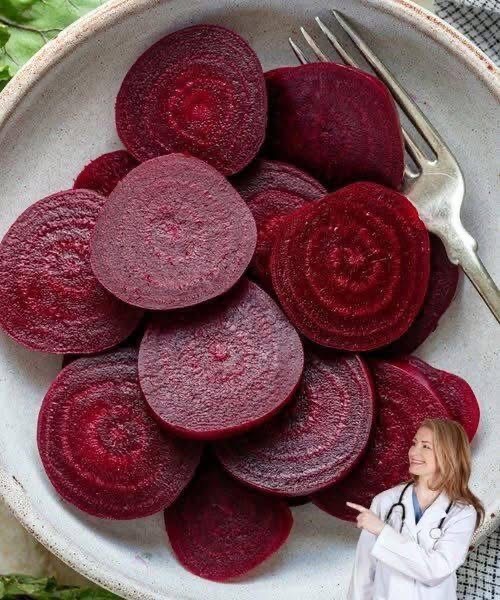
Introduction – Why Beets Deserve Your Love
For centuries, beetroot (Beta vulgaris) has been unfairly typecast as the polarizing purple vegetable that either stains everything it touches or ends up lonely in the corner of a salad bar. Yet this earthy, sweet, ruby-red root is one of nature’s most powerful superfoods and, when prepared properly, one of the most delicious vegetables on the planet.
Roasting transforms beets from “meh” to magnificent. The natural sugars caramelize, the earthiness softens into something almost meaty, and the color becomes even more jewel-like. This big, complete guide celebrates the roasted beet in all its glory: we’ll travel through its ancient history, explore its impressive health benefits, give you a bullet-proof restaurant-quality recipe (with multiple variations), break down the science of perfect roasting, and even tell you how to store, pair, and fall hopelessly in love with this vegetable.
By the end of this 3000+ word journey, you will not only know how to make the best roasted beets of your life — you’ll become one of those slightly annoying beet evangelists who sneaks them into every dish.
A Brief (But Fascinating) History of the Beet
Ancient Romans used beets both as food and as an aphrodisiac (they weren’t wrong about the nitric-oxide connection!).
Originally, only the greens were eaten; the root was considered medicinal.
By the 16th century, both red and white (sugar) beets were widespread in cultivation.
1747: German chemist Andreas Marggraf discovered that beets contain sucrose — leading to the modern sugar-beet industry that still supplies ~20% of the world’s sugar.
19th century Eastern European Jewish immigrants brought borscht to America, cementing beets in Ashkenazi cuisine.
20th century: beets were used as a natural red food dye (E162) and even in early cosmetics.
Today, golden, Chioggia (candy-stripe), and even white beets have joined the classic deep-red varieties, giving chefs a full rainbow to play with.
Health Benefits – Why Doctors Secretly Want You to Eat More Beets
Beetroots are nutritional heavyweights:
Extremely high in folate (37% DV per cup) – crucial for DNA synthesis and pregnancy.
Rich in nitrates → converted to nitric oxide → lowers blood pressure, improves blood flow, enhances exercise stamina (proven in dozens of studies).
Betalain pigments (betacyanin & betaxanthin) – powerful antioxidants with anti-inflammatory and detoxifying properties.
High in manganese, potassium, and fiber.
Very low calorie (58 kcal per cup cooked) but surprisingly satiating.
Emerging research shows potential benefits in cancer prevention, liver detoxification, and cognitive health.
One 2018 meta-analysis found that beetroot juice can lower systolic blood pressure by 4–10 mmHg in hypertensive patients — comparable to some medications.
The Ultimate Roasted Beets Recipe (Restaurant Quality)
Serves 6–8 as a side | Prep: 10 min | Cook: 45–75 min (depends on size)
Ingredients
For the basic perfect roast:
- 2½ lbs (1.1 kg) mixed beets — red, golden, Chioggia if possible
- 3–4 Tbsp extra-virgin olive oil (or avocado oil)
- 1 tsp sea salt & freshly cracked black pepper
- 4–5 sprigs fresh thyme (or 1 tsp dried)
- 4 cloves garlic, unpeeled, lightly smashed
- Optional flavor boosters (choose 1–2):
- 2 Tbsp balsamic vinegar (added at the end)
- Zest + juice of 1 orange
- 1 tsp smoked paprika + ½ tsp cumin
- 2 tsp honey or maple syrup
- 1 Tbsp fresh rosemary instead of thyme
To finish (highly recommended):
- ½ cup crumbled feta, goat cheese, or vegan alternative
- ⅓ cup toasted walnuts or pistachios
- Fresh herbs — dill, parsley, or mint
- Flaky sea salt
Step-by-Step Instructions (The Foolproof Method)
- Preheat oven to 400°F (205°C) with rack in middle. Line a large baking sheet with parchment or foil for easy cleanup (beets bleed!).
- Prep the beets — NO NEED TO PEEL YET:
- Trim tops and roots, leaving ½ inch of stem to prevent bleeding.
- Scrub well under cold water with a brush.
- If beets are different sizes, cut very large ones in half or quarters so everything cooks evenly (aim for 1½–2 inch pieces).
- Season generously:
- Place beets in a large bowl. Drizzle with olive oil, add big pinches of salt and pepper, thyme sprigs, and smashed garlic.
- Toss thoroughly — every surface should glisten.
- Roasting options (both work beautifully):
Option A – Open roast (my favorite for caramelization):- Spread beets in a single layer on the baking sheet.
- Roast 45–70 minutes, tossing once halfway, until a knife slides in easily and edges are caramelized.
- Option B – Foil packet (for softer, steamed texture):
- Divide beets between two large foil sheets, seal tightly into packets.
- Roast 50–75 minutes. Open packet carefully — steam!
- Peel when warm:
- As soon as you can handle them, rub the skins off with paper towels or gloves (red beets will stain). Skins slip off magically after roasting.
- Final seasoning:
- Discard thyme stems and garlic skins (or smash roasted garlic into the dish).
- While warm, toss with chosen flavor booster (balsamic, orange, honey, etc.).
- Taste and adjust salt.
- Serve:
- Warm or room temperature.
- Scatter with cheese, nuts, fresh herbs, and a final sprinkle of flaky salt.
Variations for Beet Lovers
- Moroccan-spiced: cumin, cinnamon, coriander, orange zest, harissa yogurt drizzle.
- Scandinavian: dill, horseradish cream, rye croutons.
- Italian burrata salad: burrata, arugula, aged balsamic, pine nuts.
- Vegan power bowl: quinoa, chickpeas, avocado, tahini-lemon dressing.
- Beet hummus: blend half the roasted beets with chickpeas, tahini, garlic, lemon.
- Pickled roasted beets: pack warm beets into jars with hot vinegar brine — ready in 24h.
Science of Perfect Roasting (The “Formation”)
Beets are ~87% water with high sugar content (6–8%). Roasting above 375°F triggers two key reactions:
- Maillard reaction between amino acids and sugars → nutty, complex flavor.
- Caramelization of sugars → sweetness and those irresistible browned edges.
Starting with dry beets (pat after washing) and generous oil encourages browning rather than steaming. Leaving skin on during roasting prevents moisture loss and color bleeding.
Storage Tips
- Roasted beets keep in fridge up to 6 days.
- Freeze up to 10 months (peeled and chopped).
- Pickle them for months of shelf life.
Nutritional Breakdown (per 1 cup cooked beets, ~150 g)
- Calories: 58
- Carbs: 13 g (8 g sugars, 3.8 g fiber)
- Protein: 2.2 g
- Fat: 0.2 g
- Potassium: 518 mg (11% DV)
- Folate: 148 µg (37% DV)
- Manganese: 0.5 mg (22% DV)
- Nitrates: ~250 mg (varies by soil)
Who Loves Beets? (Famous Beet Enthusiasts)
- Oprah once said roasted beets with goat cheese is one of her favorite foods.
- Chef José Andrés serves a famous “beet jewelry box” at minibar.
- Tennis players (Djokovic, Nadal) drink beet juice shots for performance.
- Dwight Schrute (The Office) grows and worships them.
Conclusion – A Final Plea
Roasted beets are not just another side dish. They are proof that the simplest ingredients, treated with respect and a hot oven, can become extraordinary. They are sweet without guilt, colorful without artificial dyes, healthy without sacrifice.
So the next time you see those dusty beets rolling around the produce aisle, don’t walk past them. Bring them home. Give them olive oil, salt, and fire. And prepare to have your mind changed forever.
Because once you taste perfectly roasted beets — caramelized outside, creamy inside, exploding with sweetness and earth — you don’t just like beets.