Bangers and Mash: The Ultimate Guide to Britain’s Most Beloved Comfort Food
A deep dive into the history, culture, and perfect preparation of the iconic sausage and mashed potato dish that has warmed British hearts for generations.
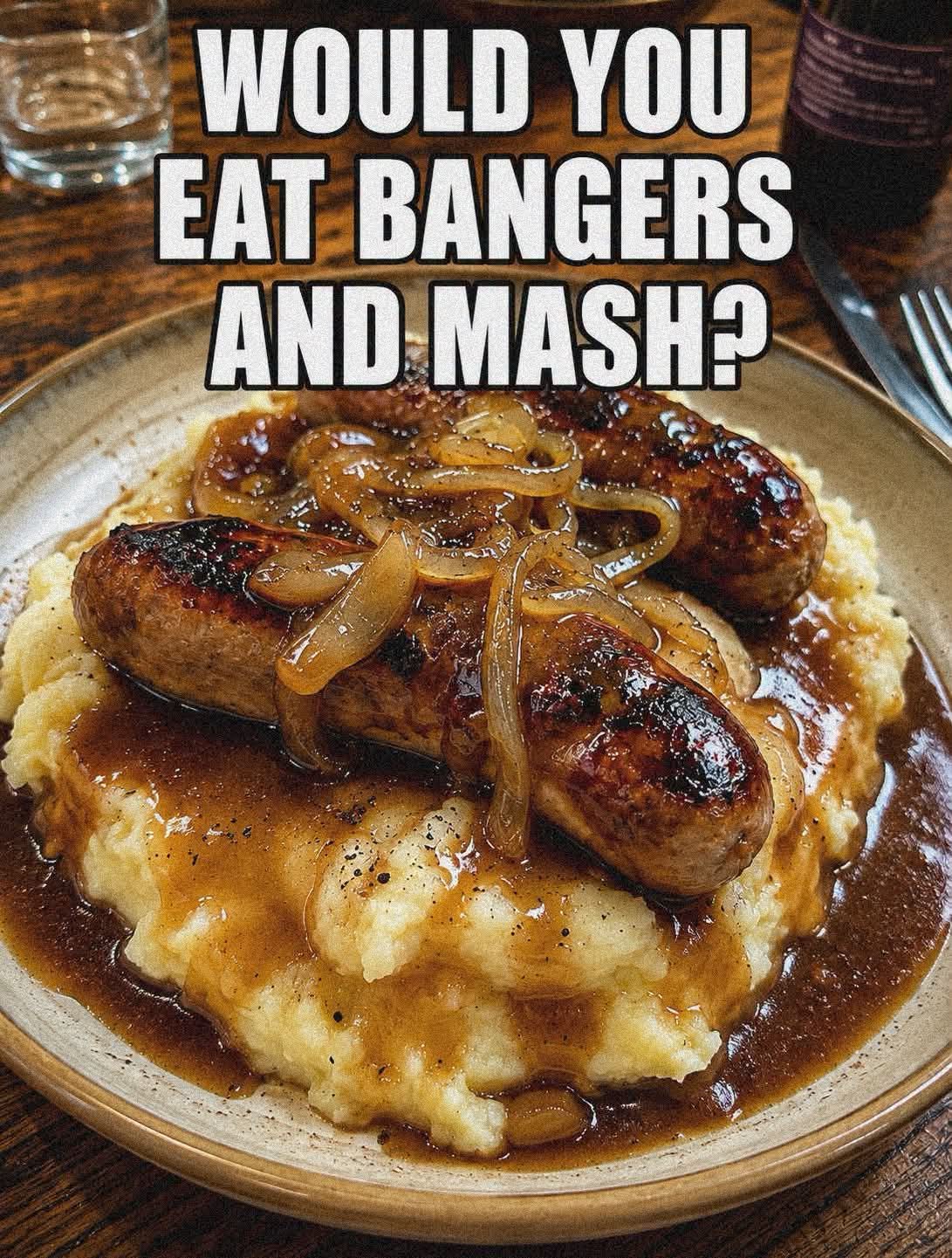
There’s a certain magic that happens when simple ingredients meet time-honored tradition. In the realm of British comfort food, few dishes embody this alchemy quite like bangers and mash—those glorious, golden-crowned sausages resting atop a cloud of buttery mashed potatoes, all bathed in a rich, savory onion gravy that seems to whisper promises of warmth, nostalgia, and pure culinary satisfaction.
If you’ve ever found yourself staring at a plate of this humble yet magnificent creation, fork poised, steam rising, and wondered about the story behind those perfectly browned sausages and that impossibly creamy mash—you’re in the right place. This isn’t just a recipe. This is a journey through centuries of British culinary heritage, a celebration of pub culture, and a masterclass in transforming the ordinary into the extraordinary.
What Exactly Are Bangers and Mash?
At its most fundamental level, bangers and mash is a straightforward dish: sausages served with mashed potatoes and gravy, typically enhanced with caramelized onions. But like all great comfort foods, its beauty lies in its deceptive simplicity. The “bangers” refer to the sausages—traditionally pork, though modern variations span the gamut from Cumberland to Lincolnshire, beef to vegetarian alternatives. The “mash” is, of course, mashed potatoes, though anyone who’s eaten a truly exceptional version knows that not all mash is created equal.
The dish sits at the intersection of working-class sustenance and gastropub sophistication. It’s the meal your grandmother might have served on a rainy Tuesday evening, and it’s the dish that modern British chefs have elevated to art form status in Michelin-recommended establishments. From the chip shops of Manchester to the fine dining rooms of London, bangers and mash represents something quintessentially British: the ability to find profound comfort in life’s simple pleasures.
A History Steeped in Tradition
The Birth of the “Banger”
To understand bangers and mash, we must first understand the sausage itself—and specifically, why Britons came to call their sausages “bangers” in the first place. The term dates back to World War I and World War II, when meat rationing forced sausage makers to bulk out their products with water, breadcrumbs, and various fillers. When cooked, these high-water-content sausages would explode in the pan with a characteristic “bang,” earning them their enduring nickname.
Before the wars, sausages had already been a staple of British cuisine for centuries. The art of sausage-making arrived in Britain with the Romans, but it was during the Victorian era that regional varieties truly flourished. The Cumberland sausage, with its distinctive spiral shape and peppery seasoning, emerged from the north. The Lincolnshire sausage, flavored with sage, became a midlands favorite. Each region developed its own signature style, creating a patchwork of porky perfection across the nation.
The Rise of Mash
Mashed potatoes, meanwhile, have an equally storied history. The potato arrived in Britain in the late 16th century, courtesy of returning explorers and traders. Initially met with suspicion—some believed the tuber caused leprosy—the potato gradually won over the British populace, particularly among the working classes who recognized its incredible value as a filling, nutritious, and affordable carbohydrate source.
By the 18th century, potatoes had become a dietary staple, and mashing them was simply the most efficient way to prepare large quantities for hungry families. The addition of butter, milk, or cream transformed the humble spud into something luxurious, creating the perfect canvas for heartier toppings like sausages and gravy.
The Marriage of Bangers and Mash
The combination of sausages and mashed potatoes likely emerged organically in British homes during the 19th century. It was cheap, filling, and required minimal ingredients—everything a working-class family needed. The addition of onion gravy came later, as cooks realized that a simple pan sauce could elevate the dish from sustenance to something truly special.
By the mid-20th century, bangers and mash had cemented its place as a British institution. It became a staple of pub menus, school canteens, and home kitchens across the nation. During the austere post-war years, when rationing still loomed large in British memory, the dish represented abundance and comfort—a plate piled high with carbs and protein that could satisfy even the heartiest appetite.
The Anatomy of a Perfect Plate
Creating transcendent bangers and mash requires understanding three distinct components, each demanding attention and respect.
The Sausages: Choosing Your Bangers
The sausage is the star of the show, and selecting the right banger is crucial. Traditional British pork sausages typically contain around 70-80% meat, seasoned with herbs and spices that vary by region. Here’s what to look for:
Cumberland Sausage: Hailing from Cumbria in northwest England, this coiled sausage is characterized by its pepper-forward seasoning and coarse texture. It’s traditionally made with chopped rather than minced pork, giving it a distinctive, meaty bite.
Lincolnshire Sausage: Sage is the defining characteristic here, along with a coarser texture and natural casings that provide that satisfying “snap” when bitten. The herbaceous quality pairs beautifully with onion gravy.
Gloucestershire Sausage: Often featuring pork and mustard, these sausages bring a tangy heat that cuts through the richness of the mash and gravy.
Cocktail Bangers: Smaller sausages, often served at parties and gatherings, though less common in traditional bangers and mash preparations.
When selecting sausages for your dish, look for ones with natural casings, a good meat content (avoid anything with less than 70% meat if possible), and minimal artificial additives. The best sausages will have a coarse texture rather than a smooth, paste-like consistency—this indicates quality meat that hasn’t been over-processed.
The Mash: Achieving Potato Perfection
If the sausage is the star, the mash is the supporting actor that steals every scene. Great mashed potatoes should be creamy, fluffy, and rich without being heavy or gluey. The choice of potato matters enormously.
Floury potatoes—varieties like Maris Piper, King Edward, or Russet—are ideal for mashing. Their high starch content and low moisture mean they break down easily and absorb butter and cream beautifully. Waxy potatoes, by contrast, will result in dense, heavy mash that lacks the desired cloud-like texture.
The technique is equally important. Start with cold, salted water and bring the potatoes to a gentle boil. Over-boiling leads to waterlogged spuds, while under-boiling results in lumps. A potato ricer or food mill produces the smoothest results, though a traditional masher works fine if you prefer a slightly rustic texture.
The additions transform good mash into great mash. Butter—and plenty of it—is non-negotiable. Warm milk or cream adds richness and helps achieve that silky consistency. Some cooks swear by a dollop of crème fraîche or cream cheese for tang and stability. A generous seasoning of salt and white pepper (black pepper is fine too, though it creates visible specks) completes the picture.
For the truly adventurous, consider infusing your dairy with aromatics—simmering milk with a bay leaf, a sprig of thyme, or a few garlic cloves before adding it to the potatoes adds subtle complexity that elevates the entire dish.
The Gravy: The Glue That Binds
The onion gravy is where bangers and mash transcends its humble origins and enters the realm of the extraordinary. This isn’t just a sauce; it’s the element that ties everything together, soaking into the mash and coating the sausages in savory, umami-rich perfection.
A proper onion gravy starts with slowly caramelized onions. This isn’t a quick process—good caramelization takes 30-45 minutes over low heat, drawing out the onions’ natural sugars until they become deeply golden and sweet. Rushing this step results in bitter, harsh onions rather than the sweet, complex base you need.
The gravy itself is typically built on a meat stock—chicken or beef both work, though some purists insist on pork stock to match the sausages. A splash of red wine or ale adds depth and acidity, cutting through the richness. Worcestershire sauce brings its signature tangy, fermented complexity, while a spoonful of Dijon mustard can add a welcome heat.
Thickening is usually achieved with a simple roux (butter and flour cooked together) or by reducing the stock until it reaches the desired consistency. The gravy should be thick enough to coat the back of a spoon but not so thick that it sits on top of the mash rather than soaking in.
Some modern variations incorporate mushrooms for earthiness, redcurrant jelly for sweetness and shine, or even stout for a deeply rich, almost chocolatey undertone. These additions can be wonderful, but they should complement rather than overwhelm the essential character of the dish.
Regional Variations and Modern Twists
While the classic pork sausage, mashed potato, and onion gravy combination remains the gold standard, bangers and mash has proven remarkably adaptable to regional preferences and modern dietary needs.
Regional British Variations
Scotland offers its own take, often featuring square slice sausage (also known as Lorne sausage), a curious loaf-shaped creation made from minced meat, rusk, and spices. It’s typically served with tatties (potatoes) and often accompanied by baked beans or a fried egg.
In Ireland, the dish overlaps with traditional Irish fare, where it might feature pork and leek sausages or be served alongside colcannon—mashed potatoes mixed with kale or cabbage—rather than plain mash.
Wales might feature Welsh dragon sausages, spiced with leek and chili, bringing heat to the traditionally mild dish.
International Interpretations
The bangers and mash concept has traveled far beyond British shores. In Australia and New Zealand, where British culinary traditions took firm root, the dish remains a pub staple, often featuring locally made sausages and sometimes incorporating sweet potato mash or pumpkin alongside the traditional potatoes.
In Canada, particularly in provinces with strong British heritage like Ontario and the Maritimes, bangers and mash appears on menus with maple-glazed sausages or peameal bacon variations, reflecting local ingredients and tastes.
In the United States, the dish has gained traction in gastropubs and British-themed restaurants, though American versions often feature bratwurst-style sausages or spicy Italian varieties, reflecting the nation’s diverse sausage culture. Cheddar mashed potatoes or loaded mash with bacon and scallions are common American twists.
Modern Dietary Adaptations
The 21st century has seen bangers and mash evolve to accommodate various dietary requirements without sacrificing its essential comfort.
Vegetarian and Vegan Bangers: The quality of plant-based sausages has improved dramatically. Modern vegan bangers, made from ingredients like seitan, lentils, or pea protein, can provide a remarkably satisfying alternative. Vegan mash is easily achieved with olive oil or vegan butter and plant-based milk, while a rich onion gravy can be built on vegetable stock and mushroom umami.
Gluten-Free: Many premium sausage makers now offer gluten-free options, and a cornstarch-thickened gravy eliminates the need for flour. The mash is naturally gluten-free, making this an easy adaptation.
Gourmet Elevations: Michelin-starred chefs have embraced bangers and mash as a vehicle for showcasing exceptional ingredients. Think truffle mash, sauce made from reduced bone marrow and red wine, or sausages crafted from rare-breed pork with exotic spice blends. These high-end versions honor the dish’s roots while demonstrating its incredible range.
How to Make the Perfect Bangers and Mash at Home
After exploring the theory, let’s get practical. Here’s a comprehensive recipe that will yield a plate of bangers and mash worthy of any British pub—or better.
Ingredients
For the Sausages:
- 6-8 high-quality pork sausages (Cumberland or Lincolnshire, if available)
- 1 tablespoon vegetable oil
- 1 tablespoon butter
For the Mash:
- 1.5 kg (about 3 lbs) floury potatoes (Maris Piper, King Edward, or Russet)
- 100g (7 tablespoons) unsalted butter
- 200ml (3/4 cup) whole milk or heavy cream
- Salt and white pepper to taste
- Optional: 2 tablespoons crème fraîche
For the Onion Gravy:
- 3 large onions, thinly sliced
- 2 tablespoons butter
- 1 tablespoon olive oil
- 2 tablespoons all-purpose flour
- 500ml (2 cups) beef or chicken stock (hot)
- 150ml (2/3 cup) red wine, dark ale, or stout
- 2 teaspoons Worcestershire sauce
- 1 teaspoon Dijon mustard (optional)
- 1 teaspoon redcurrant jelly or brown sugar (optional)
- Salt and black pepper to taste
- Fresh thyme sprigs (optional)
Method
Prepare the Onions:
Start with the gravy, as it requires the most time. In a large, heavy-bottomed pan, melt the butter with the olive oil over medium-low heat. Add the sliced onions and a pinch of salt. Cook slowly, stirring occasionally, for 30-45 minutes until the onions are deeply golden, soft, and sweet. If they begin to stick or burn, add a splash of water and reduce the heat. Patience here is everything.
Cook the Sausages:
While the onions are caramelizing, prepare your sausages. Prick them lightly with a fork (or don’t—there’s debate among enthusiasts, but pricking helps prevent splitting). Heat the oil and butter in a large frying pan over medium heat. Add the sausages and cook for 15-20 minutes, turning regularly, until they’re evenly browned and cooked through. If you’re unsure, cut one open—there should be no pink remaining. Transfer the cooked sausages to a warm plate and tent with foil.
Build the Gravy:
With the sausages removed, you should have flavorful fat remaining in the pan. If the onions are ready, sprinkle the flour over them and cook for 2 minutes, stirring constantly. Gradually add the hot stock, stirring to prevent lumps. Add the wine or ale, Worcestershire sauce, mustard, and redcurrant jelly if using. Bring to a gentle simmer and cook for 10-15 minutes until the gravy has thickened to a rich, coating consistency. Season with salt and pepper. If you used thyme, remove the sprigs before serving.
Make the Mash:
Peel the potatoes and cut them into evenly sized chunks. Place in a large pot of cold, salted water. Bring to a boil and cook for 15-20 minutes until completely tender—a knife should slide in with no resistance. Drain thoroughly and return to the hot pot for a minute to evaporate excess moisture.
Heat the milk or cream with the butter until the butter melts and the liquid is warm. Rice or mash the potatoes, then fold in the warm dairy mixture. Season generously with salt and white pepper. For extra richness, fold in the crème fraîche. The mash should be smooth, creamy, and light enough to almost float.
Assemble and Serve:
Place a generous mound of mash on each warm plate. Arrange the sausages artfully on top. Spoon the onion gravy lavishly over everything, ensuring plenty of those golden onions make it onto the plate. Serve immediately, preferably with a cold pint of bitter or stout.
The Cultural Significance of Bangers and Mash
Beyond its ingredients and preparation, bangers and mash holds a unique place in British cultural identity. It’s a dish that tells the story of a nation—its wartime resilience, its class structures, its pub culture, and its evolving palate.
The Pub Connection
No discussion of bangers and mash is complete without acknowledging the British pub. For centuries, the pub has been the heart of British community life—a place for conversation, celebration, commiseration, and sustenance. Bangers and mash became a pub menu staple because it satisfied multiple criteria: it was cheap to produce, filling for hungry patrons, and comforting after a long day.
The dish represents democratic dining. In a pub, a banker might sit at the next table from a builder, and both might order the bangers and mash. It’s unpretentious food for unpretentious settings, though that doesn’t mean it can’t be executed with skill and pride. Many British pubs take enormous pride in their sausage suppliers, their gravy recipes, and their mash techniques, treating the dish with the reverence usually reserved for more “sophisticated” fare.
Nostalgia and Memory
For millions of Britons, bangers and mash is taste-memories made manifest. It’s the dish mum made when the weather turned cold. It’s the meal after a football match, steaming and hearty. It’s the comfort food that appears when things feel uncertain, providing a edible hug that no modern wellness trend can replicate.
This emotional connection explains why bangers and mash has survived culinary trends that have claimed lesser dishes. It wasn’t swept away by the nouvelle cuisine of the 1980s or the molecular gastronomy of the 2000s. It endures because it serves a need deeper than mere nutrition—it provides comfort, familiarity, and a connection to heritage.
In Popular Culture
Bangers and mash has permeated British popular culture in ways that few other dishes have. It appears in literature, film, and television as shorthand for Britishness and comfort. From Dickensian descriptions of hearty meals to modern cooking shows where chefs compete to create the ultimate version, the dish remains a cultural touchstone.
Even the name itself—”bangers and mash”—has a rhythmic, almost musical quality that makes it instantly memorable. It’s fun to say, which perhaps contributes to its enduring popularity. Try saying it without smiling; it’s nearly impossible.
Where to Find the Best Bangers and Mash
If you find yourself in Britain with a craving for the authentic experience, certain establishments have elevated bangers and mash to legendary status.
London offers numerous options, from traditional pubs like The Churchill Arms in Kensington, with its flower-bedecked exterior and hearty British fare, to modern gastropubs like The Pig’s Ear in Chelsea, where the dish receives gourmet treatment.
In Yorkshire, look for pubs serving locally made pork sausages with Yorkshire pudding on the side—a glorious carb-on-carb combination that defies nutritional logic but satisfies the soul completely.
Scotland offers its unique variations, and a trip to a proper Edinburgh or Glasgow pub will reveal how the dish adapts to local tastes and ingredients.
For those outside Britain, seek out British-themed pubs or restaurants with British chefs. The quality varies enormously, but a well-executed bangers and mash can transport you across the Atlantic in a single bite.
Perfect Pairings: What to Drink with Bangers and Mash
The right beverage elevates bangers and mash from a meal to an experience. Here are the classic pairings:
British Bitter or Ale: A traditional cask bitter, with its malty sweetness and gentle hop bitterness, is the classic accompaniment. The beer’s effervescence cuts through the richness of the gravy and mash, while its malt character complements the caramelized onions.
Stout or Porter: For heartier versions, particularly those featuring rich, dark gravies, a stout provides depth and roasted complexity that mirrors the caramelization in the dish.
Cider: A dry or medium-dry British cider offers apple freshness and acidity that balances the dish’s richness beautifully. This is particularly popular in the West Country, where cider culture runs deep.
Red Wine: A medium-bodied red like a Côtes du Rhône or a Pinot Noir works surprisingly well with the onion gravy, especially if wine has been incorporated into the sauce itself.
Tea: For a non-alcoholic option, a strong cup of British breakfast tea provides tannins that cut through the fat and cleanse the palate between bites.
Tips, Tricks, and Troubleshooting
Even with a solid recipe, things can go awry. Here are solutions to common bangers and mash challenges:
Sausages burst while cooking: This usually happens when the heat is too high, or when ice-cold sausages hit a hot pan. Let sausages come to room temperature for 15 minutes before cooking, and maintain medium heat. If you prefer not to prick them, cook them more gently.
Mash is gluey: You’ve likely overworked the potatoes or used a waxy variety. Floury potatoes are essential. Also, avoid using a food processor or blender—this ruptures starch cells and creates paste. A ricer or masher is best.
Gravy is lumpy: Add hot stock gradually while whisking constantly. If lumps form, you can strain the gravy through a fine sieve or blitz it with an immersion blender.
Gravy is too thin: Make a slurry of 1 teaspoon cornstarch mixed with 2 tablespoons cold water, then whisk it into the simmering gravy. Cook for a few minutes until thickened.
Gravy is too thick: Thin it with additional stock, wine, or even a splash of water until you reach the desired consistency.
Onions aren’t caramelizing: This requires patience and low heat. If your onions are burning, the heat is too high. If they’re stewing in liquid, increase the heat slightly and cook uncovered. The process can’t be rushed.
The Future of Bangers and Mash
As British cuisine continues to evolve and globalize, bangers and mash faces both challenges and opportunities. The rise of plant-based eating has already produced remarkable vegan versions that honor the dish’s spirit while accommodating modern ethics. The farm-to-table movement has seen chefs partnering with local sausage makers to create unique, seasonal variations that change throughout the year.
Yet the core appeal remains unchanged. In an increasingly complex and often uncertain world, there is profound value in a dish that offers certainty, satisfaction, and connection to something larger than oneself. Bangers and mash isn’t trying to be trendy. It isn’t chasing Instagram aesthetics or viral fame (though a well-photographed plate certainly doesn’t hurt). It simply is—reliable, comforting, and deeply, authentically British.
Conclusion: Would You Eat Bangers and Mash?
So here we arrive at the question posed by that tempting image: Would you eat bangers and mash?
The answer, if you’ve read this far, should be a resounding yes—but not just as a meal. Eat it as an experience. Eat it as a connection to centuries of British culinary tradition. Eat it as a reminder that the greatest foods are often the simplest, that luxury can be found in a perfectly caramelized onion, that comfort can be mashed into potatoes with butter and love.
Whether you’re crafting it in your own kitchen from carefully sourced ingredients or seeking it out in a cozy pub with a fire crackling in the corner, bangers and mash offers something increasingly rare in modern dining: unapologetic satisfaction. No small plates. No deconstruction. No foam or emulsions or edible flowers. Just meat and potato and gravy, brought together with care and served with pride.
In a world of fleeting food trends and disposable dining experiences, bangers and mash endures. It has fed generations through wars and peacetime, through booms and busts, through culinary revolutions and returns to tradition. It will continue to feed generations to come, adapting where necessary but never losing its essential soul.
So heat that pan. Caramelize those onions. Mash those potatoes with abandon. And when you sit down to that steaming plate of bangers and mash, gravy pooling, steam rising, fork in hand—take a moment to appreciate not just what you’re eating, but everything it represents. History on a plate. Comfort in a bowl. Britain in every bite.
Now, who’s cooking?
Meta Description: Discover the rich history, regional variations, and perfect preparation of bangers and mash—Britain’s iconic sausage and mashed potato comfort food. Includes authentic recipe, cooking tips, and cultural insights.
Tags: British food, comfort food, bangers and mash, sausage recipes, mashed potatoes, pub food, traditional British cuisine, onion gravy recipe, easy dinner ideas, British culture