Struggling to Lose Weight and Belly Fat? A Practical, Evidence-Based Guide to Healthier Weight Loss
Introduction
Belly fat is one of the most frustrating parts of weight loss. Many people notice that their arms, legs, or face become slimmer while the abdomen seems to change much more slowly. This can lead to endless searches for a special drink, secret recipe, detox, or nighttime remedy that promises to “melt” belly fat.
The truth is more useful than any miracle claim: there is no single food, drink, or homemade recipe that can selectively burn belly fat. However, there are practical ways to reduce overall body fat and improve waist size, metabolic health, energy, and fitness.
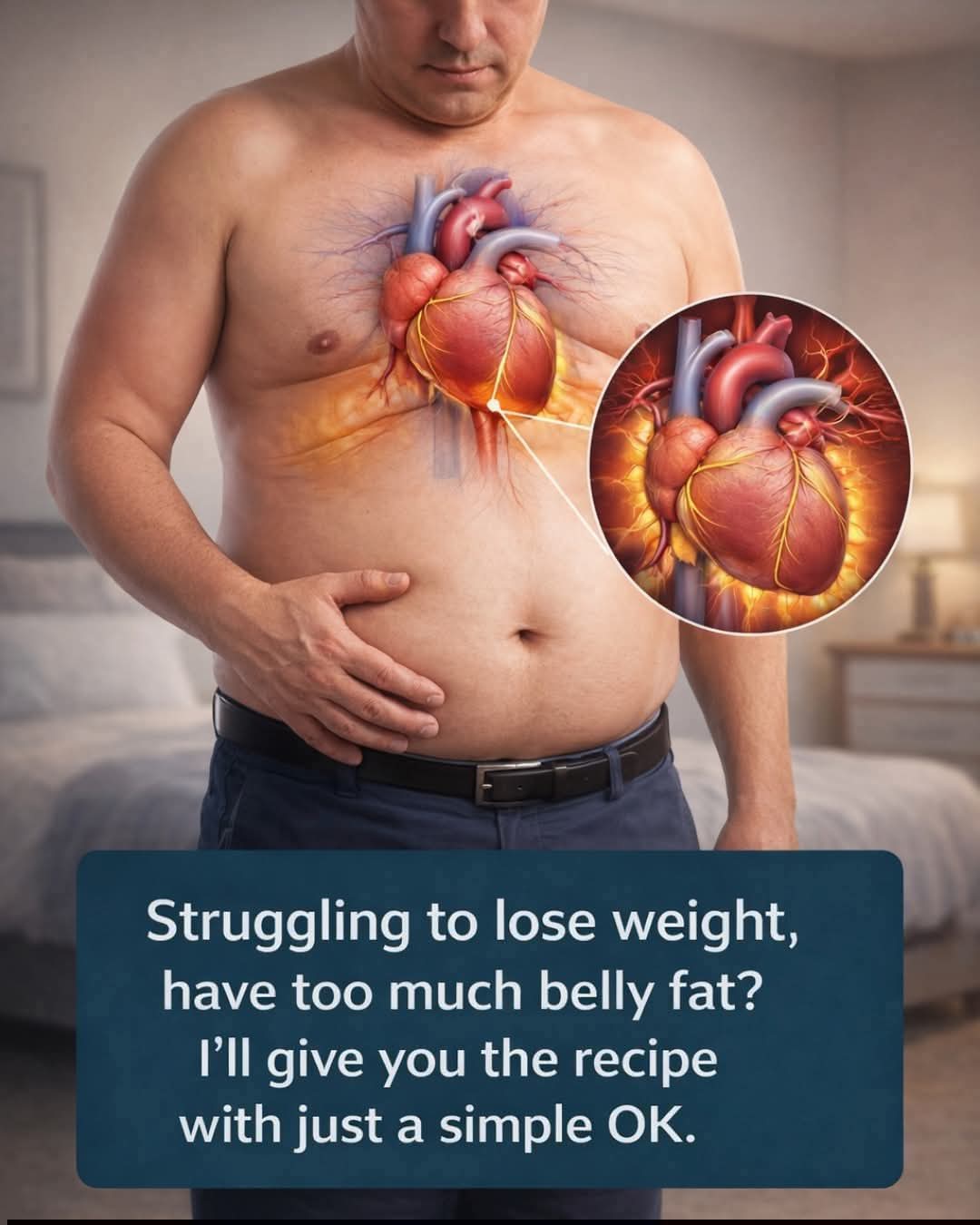
The image accompanying this article suggests that people struggling with weight or excess abdominal fat can receive a recipe with a simple “OK.” That type of message can be appealing because everyone wants an easy solution. But sustainable weight management is usually built from several small habits rather than one magic ingredient.
The good news is that losing excess abdominal fat is possible for many people. You do not need an extreme diet, starvation, expensive supplements, or hours of exhausting exercise. A balanced eating pattern, appropriate calorie intake, regular physical activity, sufficient sleep, stress management, and consistency can make a meaningful difference.
This guide explains what belly fat actually is, why it develops, what foods can support healthy weight loss, how to create a simple daily drink or meal without exaggerated promises, and which common weight-loss myths should be avoided.
What Is Belly Fat?
The term “belly fat” can describe several different types of fat around the abdomen.
Some fat lies directly beneath the skin. This is called subcutaneous fat. It is the soft fat that you can usually pinch with your fingers.
Another type is visceral fat, which accumulates deeper inside the abdomen around internal organs. Visceral fat is particularly important from a health perspective because excessive amounts are associated with a greater risk of metabolic problems and cardiovascular disease.
Having some body fat is normal and necessary. The goal should not be to eliminate all abdominal fat. Instead, the goal is to achieve a healthy body composition while supporting overall health.
This distinction matters because advertisements often suggest that a particular drink can specifically “target” belly fat. Your body does not normally work that way. When you lose fat, your genetics, hormones, age, sex, activity level, and overall energy balance influence where fat is lost first and where it remains longest.
Why Belly Fat Can Be Difficult to Lose
Several factors influence abdominal fat.
- Overall calorie intake
Weight tends to increase when, over time, a person consistently consumes more energy than the body uses.
This does not mean every calorie must be counted forever. However, understanding portion sizes and the energy density of foods can be extremely helpful.
Foods such as vegetables, fruits, legumes, lean proteins, and whole grains can provide substantial nutrition and fiber without being as calorie-dense as many highly processed foods.
- Physical activity
A sedentary lifestyle can make maintaining a healthy weight more difficult.
Walking, cycling, swimming, resistance training, gardening, sports, and other activities all contribute to energy expenditure. Regular movement also supports cardiovascular fitness and muscle strength.
- Age
Body composition often changes with age. Muscle mass may decline when people are inactive, while fat mass may increase. Hormonal changes can also influence body-fat distribution.
This is one reason why a diet that worked easily in someone’s twenties may not produce the same results decades later.
- Sleep
Poor sleep can make healthy weight management harder. People who regularly sleep too little may experience changes in appetite, energy, food choices, and daily activity.
Improving sleep is therefore not simply a matter of feeling rested. It can be part of a broader healthy-weight strategy.
- Stress
Long-term stress can influence eating behavior. Some people lose their appetite when stressed, while others crave highly palatable foods.
Stress may also make it harder to exercise, prepare healthy meals, or maintain consistent routines.
The Truth About “Fat-Burning” Recipes
A common internet claim is that a particular combination of lemon, ginger, vinegar, cinnamon, herbs, or another ingredient will rapidly dissolve abdominal fat.
These ingredients can certainly be included in a healthy diet. Some provide vitamins, minerals, antioxidants, flavor, or other nutritional compounds. But they should not be presented as fat-burning medicines.
For example, drinking water with lemon can be a refreshing alternative to sugary beverages. Ginger can add flavor to tea or meals. Cinnamon can make oatmeal more enjoyable without adding much sugar.
The benefit comes largely from how these foods fit into your overall eating pattern—not from a magical ability to destroy belly fat.
A homemade beverage can be useful if it helps replace a high-calorie sugary drink. That substitution can reduce total calorie intake. But the drink itself should not be advertised as a miracle weight-loss treatment.
A Simple Healthy Drink for a Weight-Loss Routine
If you enjoy homemade beverages, you can create a simple, low-calorie drink that supports hydration.
Ingredients
- 1 large glass of water
- A few slices of lemon or lime
- A few thin slices of fresh ginger, optional
- Fresh mint leaves, optional
- Ice, optional
Instructions
- Pour water into a large glass or bottle.
- Add lemon or lime slices.
- Add a small amount of fresh ginger if desired.
- Add mint for extra flavor.
- Let the ingredients sit for several minutes.
- Serve cold or at room temperature.
This drink is not a belly-fat-burning cure. Its main advantage is that it can provide a flavorful, low-calorie alternative to soft drinks, sweetened juices, or other sugary beverages.
If you already drink mostly water and unsweetened beverages, adding lemon or ginger will not automatically cause additional fat loss.
The Most Important “Recipe” for Losing Belly Fat
The most effective recipe is really a combination of habits.
Think of it as a simple formula:
Balanced meals + appropriate portions + protein + fiber + regular movement + strength training + good sleep + consistency.
None of these sounds as exciting as a secret drink, but together they can create meaningful changes.
Build Meals Around Protein
Protein can help make meals satisfying and can support the maintenance of muscle during weight loss.
Good options include:
- Eggs
- Fish
- Chicken
- Turkey
- Plain yogurt
- Cottage cheese
- Beans
- Lentils
- Chickpeas
- Tofu
- Lean meats
You do not need to eat enormous amounts of protein. The appropriate amount depends on factors such as body size, age, activity level, and health status.
A practical approach is to include a source of protein at most meals.
For example, breakfast could include eggs and vegetables. Lunch could include chicken, beans, or lentils. Dinner could include fish, tofu, or another protein source.
Eat More Fiber-Rich Foods
Fiber is another important part of a healthy weight-loss diet.
Vegetables, fruits, legumes, and whole grains can provide fiber while contributing vitamins, minerals, and other beneficial nutrients.
Examples include:
- Oats
- Beans
- Lentils
- Chickpeas
- Apples
- Pears
- Berries
- Oranges
- Carrots
- Broccoli
- Spinach
- Cabbage
- Whole-grain bread
- Brown rice
Fiber-rich foods can make meals more satisfying and can help support normal digestive function.
Rather than searching for one “fat-burning” ingredient, focus on eating a variety of minimally processed foods.
Be Careful With Liquid Calories
One of the easiest ways to unintentionally consume a lot of calories is through beverages.
Sugary sodas, sweetened coffees, energy drinks, sweetened teas, and large servings of juice can contribute significant calories without providing the same level of fullness as a solid meal.
Replacing some of these drinks with water, sparkling water, or unsweetened tea may be a simple and effective change.
This is where a homemade lemon-and-ginger drink can become useful. Again, it is not because lemon or ginger melts fat. It is because a flavorful drink may make it easier to choose a low-calorie beverage instead of a sugary one.
Portion Size Matters
Even nutritious foods can contribute to weight gain when portions are consistently larger than the body’s energy needs.
You do not necessarily need a food scale.
Try using your plate as a visual guide.
A meal can include:
- Plenty of non-starchy vegetables
- A reasonable serving of protein
- A moderate portion of whole grains or other carbohydrate-rich foods
- A small amount of healthy fat
Foods such as nuts, seeds, olive oil, avocado, and nut butters can be nutritious, but they are also relatively energy-dense. Portion awareness is therefore important.
Do Not Eliminate Carbohydrates Completely
Carbohydrates are frequently blamed for belly fat.
But carbohydrates themselves are not automatically responsible for abdominal weight gain.
Whole grains, fruits, vegetables, beans, and lentils can all be part of a nutritious diet.
The bigger issue is often the quality and quantity of carbohydrate-rich foods. Large amounts of sugary desserts, pastries, sweetened cereals, candy, and highly refined snack foods can make it easier to consume excessive calories.
Instead of eliminating carbohydrates, choose more nutrient-dense sources and pay attention to portions.
Strength Training Can Help
If your goal is to improve body composition, resistance training deserves attention.
Exercises such as:
- Squats
- Lunges
- Push-ups
- Rows
- Resistance-band exercises
- Weightlifting
- Bodyweight exercises
can help strengthen muscles.
Muscle tissue is important for physical function, especially as people age. Strength training can also complement aerobic activity as part of a weight-management program.
You do not have to become a bodybuilder. Even a simple beginner routine performed consistently can be valuable.
If you have been inactive or have a medical condition, start gradually and consider speaking with a qualified healthcare professional before beginning a demanding exercise program.
Walking Is Underrated
You do not need an expensive gym membership to become more active.
Walking is accessible to many people and can be incorporated into everyday life.
Try:
- Walking after meals
- Taking the stairs when appropriate
- Parking farther away
- Walking while talking on the phone
- Taking short movement breaks during work
- Going for a morning or evening walk
A consistent walking habit can be much more valuable than an intense exercise routine that you abandon after two weeks.
What About Abdominal Exercises?
Crunches, planks, leg raises, and other abdominal exercises can strengthen the muscles of the core.
However, doing hundreds of abdominal exercises does not necessarily cause the body to selectively burn abdominal fat.
You can strengthen your abdominal muscles without significantly reducing the fat covering them.
For visible changes around the waist, overall fat loss may be necessary. A combination of nutrition, aerobic activity, strength training, and consistency is generally more useful than relying on abdominal exercises alone.
Sleep and Belly Fat
Sleep is often ignored in weight-loss conversations.
Adults generally benefit from getting an appropriate amount of high-quality sleep each night. Individual needs vary, but consistently sleeping too little can make healthy eating and regular exercise more difficult.
When people are exhausted, they may be more likely to:
- Skip workouts
- Choose convenient processed foods
- Snack late at night
- Drink more sugary beverages
- Eat larger portions
Creating a regular sleep schedule, reducing unnecessary screen time before bed, and maintaining a comfortable sleeping environment can support better rest.
If you regularly have severe sleep problems, loud snoring, or significant daytime sleepiness, speak with a healthcare professional.
Stress and Emotional Eating
Weight loss is not only about food.
Stress can influence appetite and eating behavior. Some people eat when they are bored, anxious, lonely, tired, or overwhelmed.
Before reaching for a snack, ask yourself:
“Am I physically hungry, or am I looking for comfort?”
If you are not genuinely hungry, try another activity first:
- Take a short walk.
- Drink water or unsweetened tea.
- Call a friend.
- Read a few pages.
- Take several slow breaths.
- Listen to music.
- Step outside.
You do not need to eliminate emotional eating completely. The goal is to become more aware of patterns and develop additional ways to cope.
Why Crash Diets Often Fail
Very restrictive diets may produce rapid changes on the scale, but they can be difficult to maintain.
When a diet is excessively restrictive, people may experience:
- Strong hunger
- Food cravings
- Low energy
- Poor exercise performance
- Difficulty socializing
- Frustration
- Rebound overeating
A slower, sustainable approach is often easier to maintain.
Instead of asking, “How can I lose as much weight as possible this month?” ask:
“What healthy habits can I continue for the next year?”
That question changes the entire approach.
Watch Out for Detox Claims
The word “detox” is frequently used to market weight-loss products.
Your body already has organs—including the liver and kidneys—that play major roles in processing and removing substances from the body.
A tea or drink does not need to be marketed as a “detox” to be healthy.
Water, vegetables, fruits, legumes, whole grains, and balanced meals support normal nutrition without requiring extreme cleansing programs.
Be especially cautious of products that promise dramatic weight loss in a few days.
A Simple One-Day Meal Example
Here is an example of what a balanced day might look like.
Breakfast
Oatmeal topped with berries, a small amount of nuts, and plain yogurt.
Mid-Morning
Fruit or another simple snack if genuinely hungry.
Lunch
Grilled chicken or chickpeas with a large vegetable salad, whole grains, and a modest amount of olive-oil-based dressing.
Afternoon
Plain yogurt, fruit, or another protein-rich snack.
Dinner
Fish, beans, tofu, or lean meat with cooked vegetables and a moderate serving of potatoes, brown rice, or another whole-food carbohydrate.
Beverage
Water, sparkling water, or unsweetened tea.
This is only an example. A healthy diet should reflect individual preferences, cultural foods, budget, allergies, and medical needs.
Can Drinking Water Help With Weight Loss?
Water itself does not burn belly fat.
However, staying hydrated is important for normal bodily functions. Choosing water instead of calorie-containing beverages can also reduce overall calorie intake.
Some people mistake thirst for hunger, although this does not mean every episode of hunger is actually dehydration.
The practical lesson is simple: keep water available and drink according to your body’s needs.
What About Apple Cider Vinegar?
Apple cider vinegar is another popular ingredient in weight-loss recipes.
It can be used as part of foods such as salad dressing, but it should not be considered a powerful belly-fat treatment.
Drinking concentrated vinegar can irritate the mouth, throat, and digestive system and may affect tooth enamel. People taking certain medications or managing particular health conditions should be especially cautious.
Never assume that “natural” automatically means harmless.
What About Lemon Water?
Lemon water is perfectly reasonable for most people who enjoy it.
It can make plain water more appealing and provides a small amount of vitamin C.
But lemon water does not directly dissolve abdominal fat.
If it helps you replace sugary drinks, it may indirectly support weight management. That is a realistic benefit and does not require exaggerated claims.
What About Ginger?
Ginger is widely used as a culinary ingredient and traditional remedy.
It can add flavor to tea, soups, stir-fries, and other dishes.
Some research has explored ginger and aspects of metabolism, appetite, or body composition, but this does not justify claiming that ginger alone will eliminate belly fat.
Use ginger because you enjoy it and because it fits into your diet—not because you expect it to replace healthy eating and physical activity.
Measuring Progress Beyond the Scale
The scale is only one measurement.
Other useful indicators include:
- Waist circumference
- How your clothes fit
- Walking endurance
- Strength
- Energy levels
- Sleep quality
- Blood pressure
- Blood sugar measurements when medically appropriate
- Consistency with healthy habits
Sometimes body weight changes slowly while fitness and waist measurements improve.
This is why progress should be evaluated over weeks and months rather than from one day’s number.
When to Talk to a Healthcare Professional
Excess abdominal fat can be associated with increased health risks, but a person’s individual risk cannot be determined from appearance alone.
Consider discussing weight and metabolic health with a healthcare professional if you have concerns about:
- Significant or unexplained weight gain
- High blood pressure
- Elevated blood sugar
- Abnormal cholesterol
- Severe fatigue
- Difficulty losing weight despite consistent lifestyle changes
- Medications that may affect weight
- Symptoms suggesting another medical condition
Some people may have medical, hormonal, medication-related, or other factors affecting weight management.
Professional guidance can help identify the most appropriate approach.
Important Warning About Chest Pain
The image used with this topic includes an illustration of the heart.
If someone experiences new or severe chest pressure or pain, especially when accompanied by shortness of breath, sweating, nausea, fainting, or pain spreading to the arm, shoulder, back, neck, or jaw, they should seek urgent medical attention rather than attempting a homemade weight-loss remedy.
Heart-related symptoms should never be dismissed as simply “belly fat,” indigestion, or lack of fitness.
A Realistic 30-Day Approach
Instead of searching for one miraculous recipe, try building a simple 30-day routine.
Week 1: Improve beverages
Replace sugary drinks with water or unsweetened beverages more often.
Week 2: Improve meals
Add vegetables and a protein source to most main meals.
Week 3: Increase movement
Add regular walking and begin simple strength exercises if appropriate.
Week 4: Improve consistency
Focus on sleep, portion awareness, meal planning, and maintaining the habits you have already established.
Do not expect your body to transform overnight.
The objective is to create habits that continue beyond the 30-day period.
Common Belly-Fat Myths
Myth 1: One drink melts belly fat
There is no magic beverage that selectively melts abdominal fat.
Myth 2: Sweating means you are burning belly fat
Sweating mainly helps regulate body temperature. A temporary decrease in scale weight after heavy sweating is largely water loss.
Myth 3: Skipping dinner automatically burns fat
Skipping meals is not inherently superior to eating a balanced meal. What matters is the overall pattern and energy intake.
Myth 4: Carbohydrates automatically create belly fat
Carbohydrates can be part of a healthy diet. Food quality and total intake matter.
Myth 5: Hundreds of crunches remove belly fat
Abdominal exercises strengthen the core but do not selectively remove the fat covering it.
Myth 6: Natural supplements are always safe
Natural products can have side effects and can interact with medications. “Natural” is not the same as “risk-free.”
The Best Recipe Is a Sustainable Lifestyle
If there is one message to remember, it is this:
Do not search for a miracle recipe when what you really need is a sustainable routine.
A simple homemade drink can be enjoyable. Lemon, ginger, mint, and other ingredients can make water more appealing. But the drink should be viewed as part of a healthy lifestyle rather than a treatment for belly fat.
The foundation remains:
- Eat mostly nutritious foods.
- Pay attention to portions.
- Include protein and fiber.
- Reduce excessive sugary drinks and highly processed foods.
- Move regularly.
- Perform resistance exercises when appropriate.
- Sleep adequately.
- Manage stress.
- Be patient.
- Seek professional guidance when necessary.
Final Thoughts
Struggling with weight or abdominal fat can be discouraging, especially when social media repeatedly promises instant results from a single drink or ingredient.
But sustainable weight loss does not require a secret formula.
Your body responds to your overall lifestyle—not to one magical ingredient.
A refreshing glass of lemon-and-ginger water can be part of your routine. A balanced meal can support nutrition. A daily walk can increase movement. Strength training can help maintain muscle. Better sleep can improve your ability to stick with healthy habits.
Individually, these actions may seem small. Together, they can become a powerful routine.
Most importantly, do not judge your health solely by the appearance of your stomach. Focus on the bigger picture: nutritious food, physical fitness, healthy habits, adequate sleep, and regular medical care when needed.
If your goal is to reduce belly fat, aim for gradual overall fat loss rather than trying to “burn” fat from one specific body area. There is no need for starvation, extreme detoxes, or dangerous shortcuts.
The most effective recipe is consistency.
Choose habits you can realistically maintain—not just for seven days or thirty days, but for months and years. That is the approach most likely to help you achieve meaningful and lasting improvements in your health and well-being.
Disclaimer
This article is for general educational purposes and does not replace individualized medical advice, diagnosis, or treatment. Weight management can be affected by medical conditions, medications, age, genetics, lifestyle, and other factors. Anyone with significant health concerns, persistent unexplained weight changes, or symptoms such as chest pain or severe shortness of breath should consult an appropriate healthcare professional.