Introduction
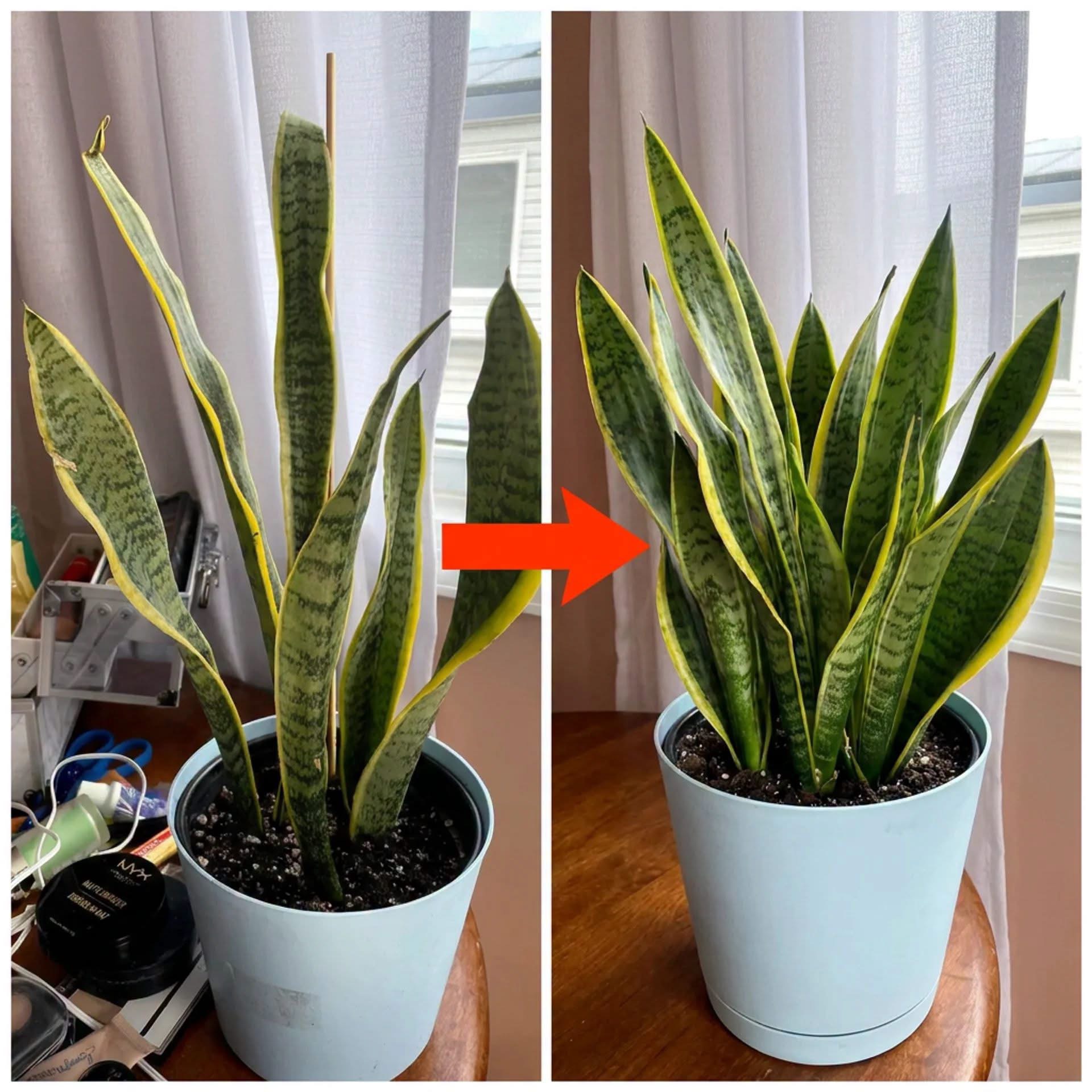
The Snake Plant (Sansevieria, now classified as Dracaena trifasciata) is one of the easiest and most resilient houseplants you can grow. Known for its striking upright leaves and air-purifying qualities, this low-maintenance plant can thrive even if you occasionally forget to water it. With the right care, your snake plant will stay lush, healthy, and continue producing new growth for years.
Choose the Right Light
Snake plants adapt well to a variety of lighting conditions. They grow best in bright, indirect light but also tolerate low-light spaces. Avoid prolonged exposure to harsh afternoon sunlight, which can scorch the leaves.
Water Sparingly
Overwatering is the most common reason snake plants fail. Allow the soil to dry completely between waterings.
Water every 2 to 4 weeks during spring and summer.
Reduce watering to every 4 to 6 weeks during fall and winter.
Always empty excess water from the saucer to prevent root rot.
Use Well-Draining Soil
A cactus or succulent potting mix is ideal because it drains quickly. If using regular potting soil, mix in perlite or coarse sand to improve drainage.
Select a Pot with Drainage
Choose a container with drainage holes to prevent water from collecting at the bottom. Terracotta pots are especially helpful because they allow excess moisture to evaporate more easily.
Maintain the Right Temperature
Snake plants prefer temperatures between 60°F and 85°F (16°C to 29°C). Keep them away from cold drafts, air conditioners, and freezing temperatures.
Fertilize Occasionally
Feed your snake plant once every month during the growing season with a balanced liquid houseplant fertilizer diluted to half strength. There’s no need to fertilize during winter.
Clean the Leaves
Dust can accumulate on the broad leaves over time. Wipe them gently with a soft, damp cloth every few weeks to keep the plant looking vibrant and to help it absorb more light.
Repot Only When Necessary
Snake plants enjoy being slightly root-bound. Repot every 2 to 3 years or when roots begin growing out of the drainage holes or the pot becomes overcrowded.
Encourage Fuller Growth
If your snake plant looks sparse:
Move it to brighter indirect light.
Rotate the pot every few weeks for even growth.
Remove damaged or old leaves at the base.
Divide mature plants during repotting to encourage fresh growth.
Common Problems and Solutions
Yellow leaves usually indicate overwatering.
Brown tips may be caused by underwatering, dry air, or fluoride in tap water.
Soft, mushy leaves are a sign of root rot.
Slow growth often means the plant needs more light.
Wrinkled leaves usually indicate the plant is thirsty.
Benefits of Snake Plants
Improves indoor air quality.
Produces oxygen even at night.
Requires very little maintenance.
Adds a modern, elegant touch to any room.
Long-lasting and highly drought-tolerant.
Safe for beginners and busy plant owners.
Conclusion
Snake plants are among the most rewarding indoor plants because they require minimal care while offering maximum beauty. By providing bright indirect light, well-draining soil, and careful watering, your snake plant will remain healthy, produce fresh new leaves, and become a beautiful focal point in your home for many years.