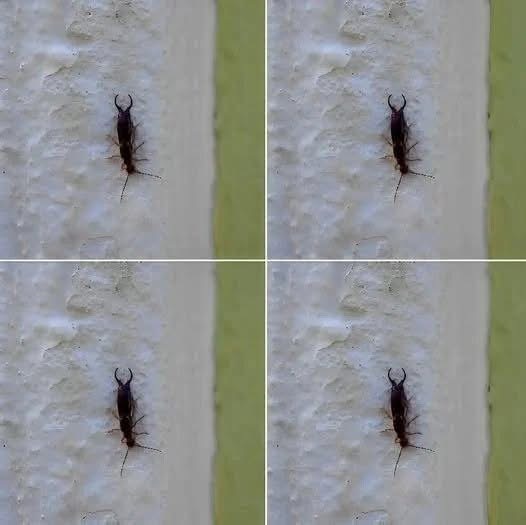
Warning! If You Have Found This Insect in Your Home, It’s a Sign That You Need to Check Your Pantry
Subtitle: Have you found a moth in your food and don’t know how to get rid of it? Here are our solutions.
Let me tell you about the first time I found moths in my pantry.
I was in my kitchen, reaching for a bag of flour, when I noticed small, grayish-brown moths flying around the cabinet. My heart sank. I opened the flour bag, and I saw tiny, white worms crawling through the powder. I was horrified.
I didn’t know what to do. I threw away the flour, but the moths kept coming. I was worried about my other food.
I did some research, and I learned about pantry moths. I learned how to identify them and how to get rid of them.
What Are Pantry Moths?
Pantry moths (also called Indian meal moths) are small insects that infest dry food products.
What they look like: Small, grayish-brown moths with reddish-brown wing tips. They are about ½ inch long.
The larvae: Small, white or cream-colored caterpillars with brown heads. They spin silky webs.
Where they hide: In dry food products, cracks in cabinets, and hidden corners.
How they spread: They hitchhike in groceries, fly in from outside, or spread from neighboring homes.
How to Identify a Pantry Moth Infestation
Sightings: Flying moths near your pantry or kitchen cabinets.
Webbing: Silky, web-like material in food containers, corners, or cracks.
Larvae: Small white caterpillars in food or crawling on surfaces.
Pupae cases: Small, brown cocoons in cupboards.
Food contamination: Clumpy, webbed, or strange-smelling food.
How to Get Rid of Pantry Moths
Step 1: Identify the Source
Go through your pantry and inspect everything. Check for webbing, larvae, or any signs of contamination.
Common sources: Flour, cereal, grains, pasta, spices, dried fruit, nuts, pet food, birdseed, and any unsealed food.
Step 2: Discard Infected Items
If you find any contaminated food, seal it in a plastic bag and throw it away. Don’t try to salvage it.
Step 3: Clean Thoroughly
Empty your pantry completely.
Vacuum all shelves, corners, and cracks.
Wash surfaces with soapy water.
Use vinegar to wipe down shelves.
Pay attention to cracks and crevices where larvae might hide.
Step 4: Use Traps
Pheromone traps attract and catch adult male moths. They’re a good way to monitor the infestation and reduce the population.
Step 5: Prevent Future Infestations
Store food in airtight containers (glass jars, plastic containers with tight seals).
Freeze grains and flours for a few days after purchase.
Keep your pantry clean and clutter-free.
Inspect new groceries before storing them.
Use bay leaves or cedar in your pantry.
How to Prevent Pantry Moths
Store food in airtight containers. This is the most important step.
Freeze new groceries for a few days. This kills any potential eggs or larvae.
Keep your pantry clean. Wipe down shelves regularly.
Inspect new groceries. Check for signs of infestation.
Use natural repellents. Bay leaves or cedar can help.
Frequently Asked Questions
Can I eat food that had pantry moths?
If you find a few moths in a food product, it’s generally safe to eat after removing them. But if there’s webbing or larvae, it’s best to toss it.
Are pantry moths harmful?
They aren’t dangerous to human health, but they can contaminate food and spread quickly.
How long do pantry moths live?
Adult moths live about 2-4 weeks. The larvae stage lasts a few weeks to a few months.
Can pantry moths fly?
Yes, they can fly.
How do pantry moths get into my home?
They can hitchhike in groceries, fly in from outside, or spread from neighboring homes.
A Final Thought
When I found pantry moths in my kitchen, I felt a wave of panic. But once I took a deep breath and followed the steps, it turned out to be manageable. It’s a nuisance, but it’s not the end of the world.
Have you ever had a pantry moth infestation? How did you handle it? Share your tips in the comments.