gI have a phobia of water—specifically oceans, seas, and large bodies of water. The fear of drowning is constant. The first time I went to the ocean with my family, I was probably thirteen or fourteen years old. I waded into the water with my mother, and when she encouraged me to put my face in, the instant the water touched my skin, I gripped her arms so tightly that I scratched her. I was convinced I was drowning, even though I was completely fine and literally standing above the water.
That is the thing about the ocean: it is unpredictable. That is what scares me the most—the sheer power of it. One minute you are relaxing in the shallow water at the shore, and the next, it pulls you further and further out. Then, panic sets in. And I cannot swim. So, if you cannot swim either, please be careful.
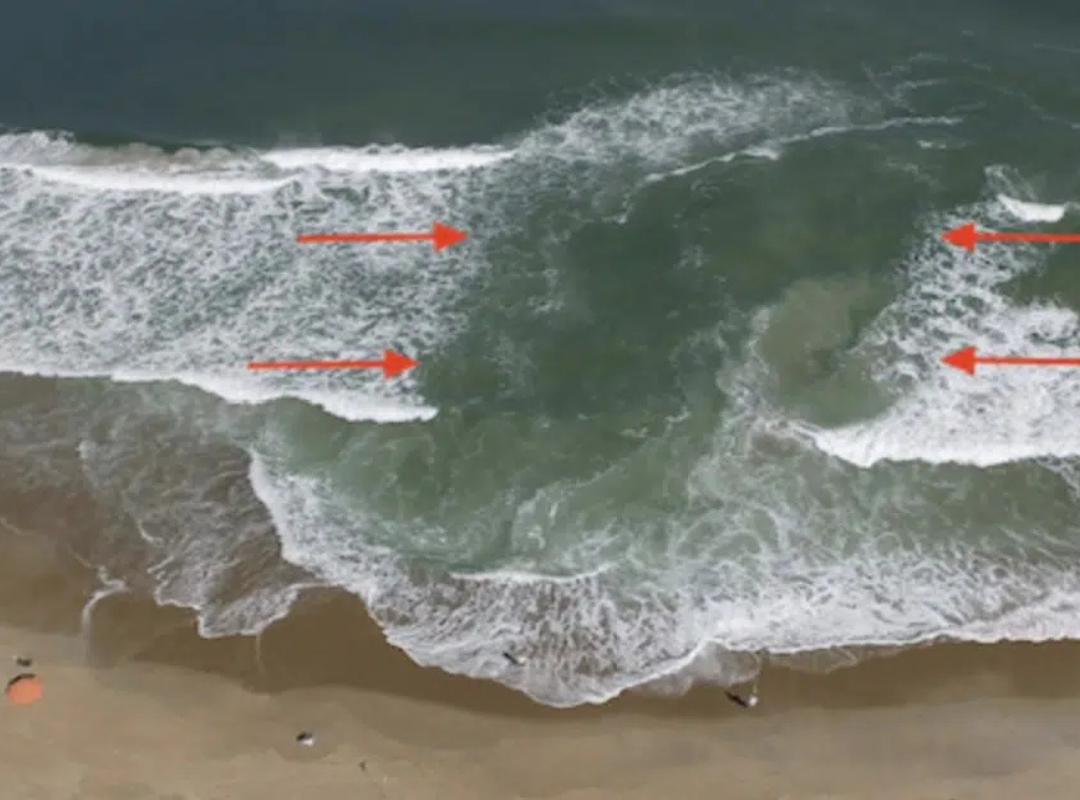
I have been trying to learn as much as I can about the ocean and seas in general, specifically regarding safety. For instance, did you know what a purple flag means at the beach? Neither did I, but it turns out it is quite important. Then, a friend told me about something strange she saw at the beach. She noticed a specific spot in the water where there were absolutely no waves. Just one calm patch amidst the breaking surf. When she told me about it, I was immediately alarmed. It was something I had never heard of, so I decided to investigate.
The Danger of Calm Water
The Danger of Calm Water
Apparently, this phenomenon is called a rip current. Rip currents are powerful, narrow channels of fast-moving water that are prevalent along coastlines all around the world. They can form at any beach with breaking waves and can quickly pull unsuspecting swimmers out to sea. Understanding when and how rip currents occur is vital for anyone who frequents the beach.
They usually form when waves break near the shoreline, causing water to pile up between the breaking waves and the beach. This excess water needs to find a way back to the ocean, so it concentrates in narrow channels through the surf zone, rushing back out to sea.
How to Spot a Rip Current
What is truly deceptive about rip currents is how calm they appear. A patch of still, flat water between more turbulent waves can look like a safe haven, but it is often the exact opposite. Recognizing a rip current is the first step in avoiding them.
Look for these warning signs:
Areas where waves are not breaking directly, while the surrounding water is choppy.
Patches of foam or debris moving steadily out to sea rather than toward the shore.
A distinct difference in water color, often appearing darker or murkier than the surrounding waves.
What to Do If You Get Caught
If you ever find yourself caught in a rip current, the most important thing to remember is: do not fight it. Swimming straight back to shore against a rip current is exhausting and can be deadly, even for the strongest swimmers.
Instead, the best course of action is to swim parallel to the shore. This allows you to escape the narrow channel of fast-moving water. Once you no longer feel the pull of the current, you can then swim back to shore at an angle away from the current.
The Reality of the Risk
Rip currents are more common than you might think. In the United States alone, lifeguards rescue tens of thousands of people from rip currents each year. They are particularly prevalent at beaches with stronger and more frequent waves, such as those on the East and West Coasts of the U.S. However, no coastline with breaking waves is immune to them.
Safety should always be your first priority. Pay close attention to beach flags and signs; they are not mere decorations. A red flag indicates high hazard conditions, while a purple flag warns of dangerous marine life. Knowing what each color signifies can be a lifesaver. Always swim at beaches with lifeguards present, and never overestimate your swimming abilities, especially in unfamiliar waters.
Finding Peace Through Knowledge
As for me, I know that recognizing the ocean for all its might and educating myself on the risks allows me to appreciate its beauty more safely. I might always be terrified of the water, but at least knowing about rip currents gives me tools to manage my fear.
I hope sharing this information gives you something useful, whether you are a seasoned swimmer or just dipping your toes in. As for me, I know I will certainly be sticking to the shallow water, or perhaps just enjoying the view of the ocean from a safe and comfortable distance.