Poor Man’s Stew: A Hearty, Budget-Friendly Comfort Food Recipe
Introduction
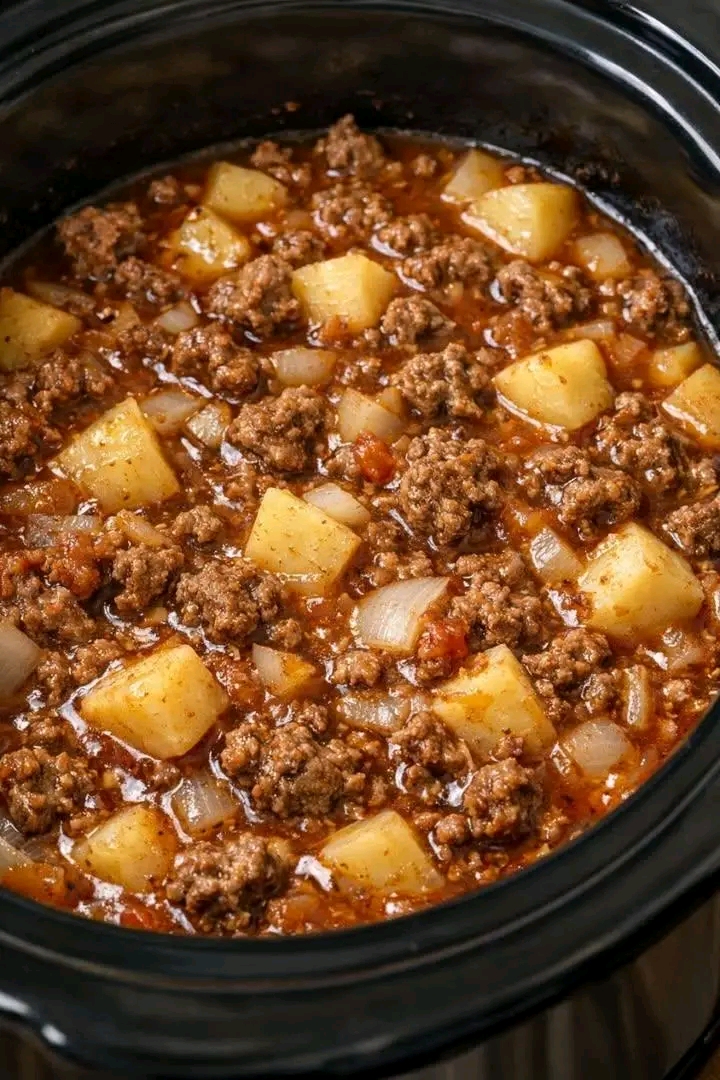
Poor Man’s Stew is one of the most beloved comfort food recipes in home cooking. Built from simple, inexpensive ingredients and designed to feed a family without straining the budget, this hearty stew has been passed down through generations. It combines ground beef, potatoes, vegetables, and a rich tomato-based broth into a satisfying one-pot meal that delivers warmth, nourishment, and incredible flavor.
The beauty of Poor Man’s Stew lies in its simplicity. Unlike elaborate stews that require expensive cuts of meat or specialty ingredients, this dish relies on affordable pantry staples that many households already have on hand. Despite its humble origins, the result is a deeply satisfying meal packed with savory goodness.
This recipe became especially popular during times of economic hardship when families needed to stretch their food budgets while still preparing filling meals. Today, it remains a favorite among busy families, meal preppers, college students, and anyone looking for an economical yet delicious dinner.
Whether served on a cold winter evening, prepared as a make-ahead meal for the week, or enjoyed as a nostalgic family favorite, Poor Man’s Stew proves that great food doesn’t have to be expensive. With tender potatoes, flavorful ground beef, hearty vegetables, and a rich broth, every spoonful offers comfort and satisfaction.
—
Ingredients
Main Ingredients
2 pounds ground beef
6 medium potatoes, peeled and diced
1 large onion, diced
3 carrots, sliced
2 celery stalks, chopped
4 cups beef broth
2 cans (14.5 ounces each) diced tomatoes
1 can (15 ounces) tomato sauce
2 tablespoons tomato paste
2 cloves garlic, minced
Seasonings
1 teaspoon salt
1 teaspoon black pepper
1 teaspoon paprika
1 teaspoon dried oregano
1 teaspoon dried thyme
1 bay leaf
Optional Ingredients
1 cup frozen peas
1 cup green beans
1 cup corn kernels
1 tablespoon Worcestershire sauce
1 teaspoon hot sauce
Fresh parsley for garnish
—
Equipment Needed
Large Dutch oven or stockpot
Wooden spoon
Cutting board
Sharp knife
Measuring cups and spoons
Ladle
—
Preparation Time
Preparation Time: 20 minutes
Cooking Time: 1 hour 15 minutes
Total Time: 1 hour 35 minutes
Servings: 8–10
—
Step-by-Step Instructions
Step 1: Prepare the Vegetables
Wash and peel the potatoes.
Dice them into bite-sized cubes.
Slice the carrots and chop the celery.
Dice the onion and mince the garlic.
Keeping the vegetables uniform in size helps them cook evenly and creates a pleasant texture throughout the stew.
—
Step 2: Brown the Ground Beef
Place a large Dutch oven or stockpot over medium-high heat.
Add the ground beef.
Cook for approximately 8–10 minutes, breaking it apart with a wooden spoon as it browns.
Continue cooking until no pink remains.
Drain excess grease if necessary.
Browning the meat first develops a rich flavor foundation for the stew.
—
Step 3: Add Aromatics
Add the diced onions and celery to the pot.
Cook for about 5 minutes.
Stir frequently until the vegetables soften.
Add minced garlic and cook for an additional minute.
The aroma should become rich and fragrant.
—
Step 4: Add Tomatoes and Broth
Pour in:
Beef broth
Diced tomatoes
Tomato sauce
Tomato paste
Stir thoroughly to combine.
The tomato products create the stew’s signature hearty broth.
—
Step 5: Add Potatoes and Carrots
Add:
Potatoes
Carrots
Stir well.
These vegetables form the bulk of the stew and provide natural thickness as they cook.
—
Step 6: Season the Stew
Add:
Salt
Pepper
Paprika
Oregano
Thyme
Bay leaf
If using Worcestershire sauce, add it now.
Mix thoroughly.
—
Step 7: Simmer
Bring the mixture to a gentle boil.
Reduce heat to low.
Cover and simmer for 45–60 minutes.
Stir occasionally to prevent sticking.
The potatoes should become fork-tender and the flavors should meld beautifully.
—
Step 8: Add Optional Vegetables
If using peas, corn, or green beans, stir them in during the final 10 minutes of cooking.
This keeps them vibrant and prevents overcooking.
—
Step 9: Taste and Adjust
Remove the bay leaf.
Taste the stew.
Adjust seasonings if needed.
Add additional salt or pepper according to preference.
—
Step 10: Serve
Ladle the hot stew into bowls.
Garnish with chopped parsley.
Serve with crusty bread, biscuits, or cornbread.
—
Cooking Method Explained
The success of Poor Man’s Stew comes from layering flavors during the cooking process.
Browning the Beef
The Maillard reaction creates deep savory notes that elevate the entire dish.
Sweating the Vegetables
Cooking onions and celery before adding liquid enhances sweetness and complexity.
Long Simmering
Slow cooking allows the potatoes to release starches, naturally thickening the broth while blending all flavors together.
Final Vegetable Addition
Adding delicate vegetables near the end preserves texture and color.
—
History of Poor Man’s Stew
Poor Man’s Stew traces its roots to economical home cooking traditions found throughout Europe and North America.
Historically, families relied on inexpensive ingredients that could stretch to feed many mouths. Potatoes, root vegetables, and small amounts of meat became staples in countless households.
During the Great Depression of the 1930s, recipes like Poor Man’s Stew became especially important. Families learned to maximize nutrition while minimizing costs. Ground beef emerged as an affordable alternative to expensive cuts of meat, making it ideal for large stews.
Immigrant communities also contributed variations of similar dishes. Irish families often emphasized potatoes, while Eastern European versions incorporated cabbage and root vegetables.
As generations passed, the recipe evolved according to regional ingredients and personal preferences. Today, Poor Man’s Stew remains a symbol of resourcefulness, family tradition, and comfort cooking.
—
Why This Recipe Works
Several factors contribute to the popularity of Poor Man’s Stew.
Affordability
The ingredients are inexpensive and widely available.
Simplicity
One pot handles the entire cooking process.
Flexibility
Nearly any vegetables can be incorporated.
Nutrition
The combination of meat and vegetables creates a balanced meal.
Flavor
Despite its simplicity, the stew develops rich, satisfying flavors.
—
Benefits of Poor Man’s Stew
1. Budget-Friendly
One of the most economical family meals available.
The recipe uses affordable ingredients that stretch far.
—
2. Filling and Satisfying
Potatoes and protein provide lasting fullness.
A single bowl can serve as a complete meal.
—
3. Easy to Customize
Adapt the recipe according to available ingredients.
No two batches need to be exactly alike.
—
4. Excellent for Meal Prep
The flavor often improves after a day in the refrigerator.
Large batches can be portioned and stored easily.
—
5. Family-Friendly
Children and adults alike enjoy the mild, comforting flavors.
—
6. Nutrient Dense
Provides:
Protein
Fiber
Vitamins
Minerals
Complex carbohydrates
—
Formation of the Perfect Poor Man’s Stew
Creating the ideal stew requires balancing several components.
Protein Foundation
Ground beef provides richness and substance.
Vegetable Base
Onions, carrots, and celery create classic flavor depth.
Potato Structure
Potatoes absorb flavors while naturally thickening the broth.
Tomato Component
Tomatoes provide acidity and complexity.
Broth System
Beef broth ties all ingredients together.
Seasoning Layer
Herbs and spices enhance the natural flavors.
When these elements work together, the result is a stew that feels far richer than its humble ingredient list suggests.
—
Expert Tips for Success
Use Starchy Potatoes
Russet potatoes break down slightly and help thicken the stew.
—
Don’t Rush the Browning
Properly browned beef contributes tremendous flavor.
—
Simmer Gently
Avoid vigorous boiling.
Gentle simmering preserves texture.
—
Make It Ahead
Many cooks agree the stew tastes even better the next day.
—
Adjust Thickness
For thicker stew:
Simmer uncovered.
For thinner stew:
Add extra broth.
—
Delicious Variations
Southern Poor Man’s Stew
Add:
Corn
Black-eyed peas
Smoked paprika
Serve with cornbread.
—
Irish-Style Poor Man’s Stew
Use:
Cabbage
Parsnips
Extra potatoes
Serve with soda bread.
—
Spicy Version
Add:
Jalapeños
Cayenne pepper
Hot sauce
—
Vegetable-Packed Version
Include:
Zucchini
Mushrooms
Green beans
Spinach
—
Cheesy Version
Top each bowl with:
Shredded cheddar
Parmesan cheese
—
Slow Cooker Version
Brown the beef first.
Transfer everything to a slow cooker.
Cook:
Low: 7–8 hours
High: 4–5 hours
—
Serving Suggestions
Poor Man’s Stew pairs beautifully with:
Bread
French bread
Garlic bread
Dinner rolls
Biscuits
Salads
Garden salad
Coleslaw
Cucumber salad
Side Dishes
Cornbread
Roasted vegetables
Green beans
Beverages
Iced tea
Lemonade
Coffee
Sparkling water
—
Storage Instructions
Refrigerator
Store in airtight containers.
Keeps for 4–5 days.
—
Freezer
Freeze for up to 3 months.
Allow to cool completely before freezing.
—
Reheating
Stovetop
Heat over medium-low heat.
Add broth if necessary.
Microwave
Heat in 1-minute intervals.
Stir between intervals.
—
Common Mistakes to Avoid
Overcooking Vegetables
Can result in mushy texture.
—
Undersalting
Stews require proper seasoning to bring flavors alive.
—
Skipping Browning
Reduces overall flavor complexity.
—
Cooking Too Fast
Low and slow produces the best results.
—
Using Too Much Liquid
Can dilute the rich flavor.
—
Nutrition Information
Approximate per serving:
Calories: 340
Protein: 24g
Carbohydrates: 28g
Fat: 15g
Fiber: 4g
Sugar: 6g
Sodium: 680mg
Potassium: 950mg
Iron: 18% DV
Vitamin A: 60% DV
Vitamin C: 30% DV
Values vary depending on ingredients used.
—
Why People Love Poor Man’s Stew
Poor Man’s Stew represents everything comforting about home cooking. It transforms simple ingredients into a meal that feels rich, hearty, and satisfying. Families appreciate its affordability, cooks love its simplicity, and diners enjoy its warming flavors.
The stew evokes memories of family dinners, cold winter evenings, and recipes passed down through generations. Its versatility means every household can make it their own, adding favorite vegetables, seasonings, or regional touches.
In a world filled with complicated recipes and expensive ingredients, Poor Man’s Stew remains proof that delicious food can be simple, practical, and deeply comforting.
—
Conclusion
Poor Man’s Stew is a timeless recipe that showcases the power of simple ingredients and thoughtful cooking. Combining ground beef, potatoes, vegetables, herbs, and a rich tomato broth, it delivers exceptional flavor while remaining affordable and accessible.
Perfect for busy weeknights, meal preparation, family gatherings, or cozy evenings at home, this one-pot meal continues to earn its place among the most beloved comfort foods. Easy to customize, nourishing, and incredibly satisfying, Poor Man’s Stew demonstrates that some of the best recipes are often the simplest. One steaming bowl offers warmth, comfort, and a reminder that great cooking is not about spending more—it’s about making the most of what you have.