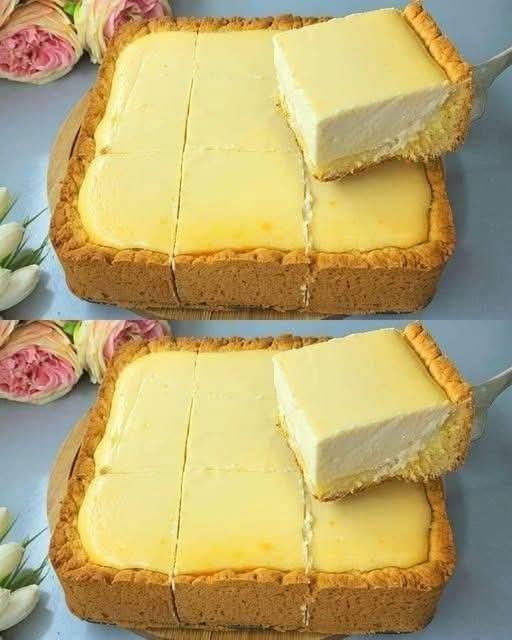
Classic Baked Cheesecake: The Ultimate Creamy, Rich, and Decadent Dessert
Few desserts evoke as much universal love and anticipation as a perfectly baked cheesecake. With its silky-smooth, velvety texture, subtle tang, and buttery graham cracker crust, this classic treat has earned its place as a timeless favorite for birthdays, holidays, dinner parties, and special occasions. Whether served plain, topped with fresh fruit, or swirled with chocolate or caramel, a well-made cheesecake never fails to impress.
In this comprehensive 3000-word guide, we’ll explore the rich history of cheesecake, the science behind its perfect creamy texture, a foolproof classic baked cheesecake recipe (including instructions for both round springform and square pan versions like the beautiful square-cut style shown in many home kitchens), expert tips, dozens of variations, troubleshooting advice, serving suggestions, storage methods, and much more. By the end, you’ll have all the knowledge needed to bake a restaurant-quality cheesecake at home with confidence.
The History of Cheesecake: From Ancient Origins to Modern Favorite
Cheesecake has surprisingly ancient roots. Historians trace early versions to ancient Greece, where simple cheese mixtures were baked on bread or in crusts and offered to athletes during the Olympic Games. The Romans adopted and adapted the recipe, spreading it across Europe.
The modern American cheesecake we know today—rich, dense, and baked with cream cheese—emerged in the 19th century in New York. In 1872, American dairyman William Lawrence accidentally created cream cheese while trying to replicate a French soft cheese. This innovation revolutionized cheesecake, leading to the iconic New York-style version: tall, creamy, and baked in a water bath for ultra-smooth results.
Square or rectangular cheesecakes became popular for easier slicing and serving at potlucks and family gatherings. Today, cheesecake remains one of the most beloved desserts worldwide, with endless regional and creative interpretations.
Why a Perfect Cheesecake Is So Irresistible
The magic of cheesecake lies in its contrasting textures and balanced flavors:
- Buttery Crust: Provides a crisp, crumbly foundation that complements the creamy filling.
- Silky Filling: Cream cheese, eggs, and sugar create a luxurious mouthfeel.
- Subtle Tang: Sour cream or lemon adds brightness that prevents the dessert from being overly sweet.
- Versatility: It serves as a blank canvas for countless toppings and flavors.
Baking low and slow with a water bath (bain-marie) prevents cracking and ensures even, gentle cooking for that signature creamy—not curdled—texture.
Classic Baked Cheesecake Recipe (Serves 12-16)
This recipe works beautifully in a 9-inch springform pan or a 9×13-inch square baking pan for easy square portions.
Ingredients for the Crust:
- 2 cups (about 200g) graham cracker crumbs (or digestive biscuits)
- ½ cup (113g) unsalted butter, melted
- ¼ cup (50g) granulated sugar
- Pinch of salt
- Optional: ½ teaspoon ground cinnamon or vanilla extract
Ingredients for the Filling:
- 4 (8 oz) packages full-fat cream cheese, softened to room temperature
- 1¼ cups (250g) granulated sugar
- 1 cup (240g) full-fat sour cream, room temperature
- 2 teaspoons pure vanilla extract
- 1 tablespoon fresh lemon juice
- 4 large eggs + 2 large egg yolks, room temperature
- 3 tablespoons all-purpose flour (helps stabilize and prevent cracking)
- Optional: ¼ cup heavy cream for extra richness
For the Water Bath:
- Hot water (for the roasting pan)
Step-by-Step Instructions
Step 1: Prepare the Crust
Preheat oven to 325°F (163°C). Mix graham cracker crumbs, melted butter, sugar, and salt until the mixture resembles wet sand. Press firmly into the bottom (and slightly up the sides for a springform pan) of your prepared pan. Use the bottom of a measuring cup for an even, compact layer. Bake for 10 minutes, then set aside to cool. Wrap the outside of the pan tightly with aluminum foil if using a water bath.
Step 2: Make the Filling
In the bowl of a stand mixer fitted with the paddle attachment (or using a hand mixer), beat the softened cream cheese on medium speed until completely smooth, about 2 minutes. Add sugar and beat until light and fluffy, another 2–3 minutes. Scrape down the bowl frequently.
Add sour cream, vanilla extract, and lemon juice. Mix until combined. Beat in the eggs and egg yolks one at a time on low speed, mixing just until incorporated after each addition. Do not overmix. Sprinkle in the flour and mix on low until just combined. Fold in heavy cream if using.
Step 3: Assemble and Bake
Pour the filling over the cooled crust. Tap the pan gently on the counter several times to release air bubbles. Place the pan inside a large roasting pan and pour hot water into the roasting pan until it reaches about halfway up the sides of the cheesecake pan.
Bake for 55–70 minutes (square pan may take slightly less time). The edges should be set, but the center should still have a slight jiggle (like Jell-O). Turn off the oven, crack the door open, and let the cheesecake cool inside for 1 hour. This gradual cooling helps prevent cracking.
Step 4: Chill
Remove from the water bath, run a thin knife around the edges (if using springform), and refrigerate for at least 6 hours, preferably overnight. This is when the texture becomes perfectly set and sliceable.
Step 5: Serve
For a square pan, cut into clean squares using a sharp knife dipped in hot water and wiped clean between cuts. Serve plain or with your favorite toppings.
Pro Tips for Bakery-Quality Results
- Room Temperature Ingredients: Cold ingredients cause lumps and uneven baking. Take cream cheese, sour cream, and eggs out 1–2 hours ahead.
- Avoid Overmixing: Excess air leads to cracking and a puffy texture that falls.
- Water Bath is Key: It provides gentle, moist heat for the creamiest results and reduces cracking.
- Don’t Overbake: The center should still wobble when gently shaken.
- Crust Variations: Try Oreo cookies, shortbread, or vanilla wafers for different flavors.
- Make-Ahead: Cheesecake tastes even better after 1–2 days in the fridge.
- Pan Choice: Springform for classic round presentation; square 9×13 for easy bars.
Delicious Variations
New York Style: Increase cream cheese and reduce sour cream for a denser texture.
Strawberry Swirl: Drop spoonfuls of strawberry puree on top and swirl before baking.
Chocolate Cheesecake: Add 8 oz melted dark chocolate and cocoa powder to the filling.
Lemon Blueberry: Add lemon zest and fold in fresh or frozen blueberries.
Oreo Cheesecake: Use Oreo crust and fold chopped cookies into the filling.
Caramel Pecan: Swirl in caramel sauce and top with toasted pecans.
Pumpkin Cheesecake: Add pumpkin puree and warm spices for fall.
No-Bake Version: For a quicker alternative using gelatin (though not as rich as baked).
Mini Cheesecakes: Bake in muffin tins with cupcake liners for individual portions.
Gluten-Free: Use gluten-free graham-style crackers and confirm other ingredients.
Low-Carb/Keto: Sweetener swaps and almond flour crust.
Serving Suggestions and Pairings
- Classic: Fresh berries, strawberry sauce, cherry pie filling, or whipped cream.
- Elegant: Raspberry coulis, chocolate ganache drizzle, or salted caramel.
- Coffee Shop Style: Dust with powdered sugar or cocoa.
- Beverages: Pairs beautifully with coffee, tea, dessert wine, or sparkling water with lemon.
A single cheesecake easily serves a crowd when cut into smaller squares.
Troubleshooting Common Cheesecake Problems
- Cracks on Top: Overbaking, sudden temperature changes, or too much air in batter. Follow the gradual cooling method.
- Lumpy Filling: Ingredients not at room temperature. Beat cream cheese thoroughly first.
- Soggy Crust: Pre-bake the crust and ensure the pan is well-wrapped for the water bath.
- Doesn’t Set: Needs longer chilling time. Add extra egg or flour next time.
- Too Dense or Grainy: Overbaked or overmixed eggs.
- Sticking to Pan: Run a warm knife around edges before releasing springform.
Nutritional Information (Approximate per Slice)
A standard slice (1/12th of a 9-inch cake) contains roughly:
- 450–600 calories
- 35–45g fat
- 35–40g carbohydrates
- 8–10g protein
Cheesecake is an indulgent treat high in calcium from dairy. For lighter versions, use reduced-fat cream cheese (texture changes slightly) and fresh fruit toppings.
Storage and Freezing Tips
- Refrigerator: Keeps well for 5–7 days covered tightly.
- Freezer: Slice and wrap individual pieces in plastic wrap then foil. Freeze for up to 3 months. Thaw overnight in the refrigerator.
- Whole Cake: Freeze before adding toppings for best results.
Advanced Techniques and Flavor Enhancements
- Sour Cream vs. Heavy Cream: Sour cream adds tang; heavy cream adds richness.
- Water Bath Alternatives: Place a pan of water on the lower oven rack if you prefer not to submerge the pan.
- Infusions: Add espresso powder, citrus zest, or extracts like almond or rum.
- Toppings Bar: Set out multiple sauces for guests to customize slices.
Why This Recipe Belongs in Every Baker’s Repertoire
Baked cheesecake may seem intimidating, but with attention to temperature and gentle mixing, it becomes reliably achievable. Its make-ahead nature reduces stress for hosts, while the impressive presentation and crowd-pleasing flavor make it ideal for celebrations.
Home bakers love it because one successful cheesecake often becomes a signature dessert requested year after year. The square pan version offers practicality for casual gatherings while maintaining all the luxurious appeal of the classic round style.
Conclusion: Bake Your Best Cheesecake Today
A perfectly creamy baked cheesecake is more than just dessert—it’s a labor of love that brings people together. With its golden crust, velvety filling, and endless customization options, this recipe delivers consistent, impressive results every time.
Whether you bake it in a classic springform pan or as beautiful square portions for easy serving, this cheesecake is guaranteed to earn compliments and recipe requests. Gather your ingredients, follow the steps carefully, and treat yourself and your loved ones to one of the most satisfying desserts in the world of baking.
Your homemade cheesecake journey starts here. Happy baking!